


Philippine Authorities Crack Down on Disinformation Spread by Vloggers and Influencers
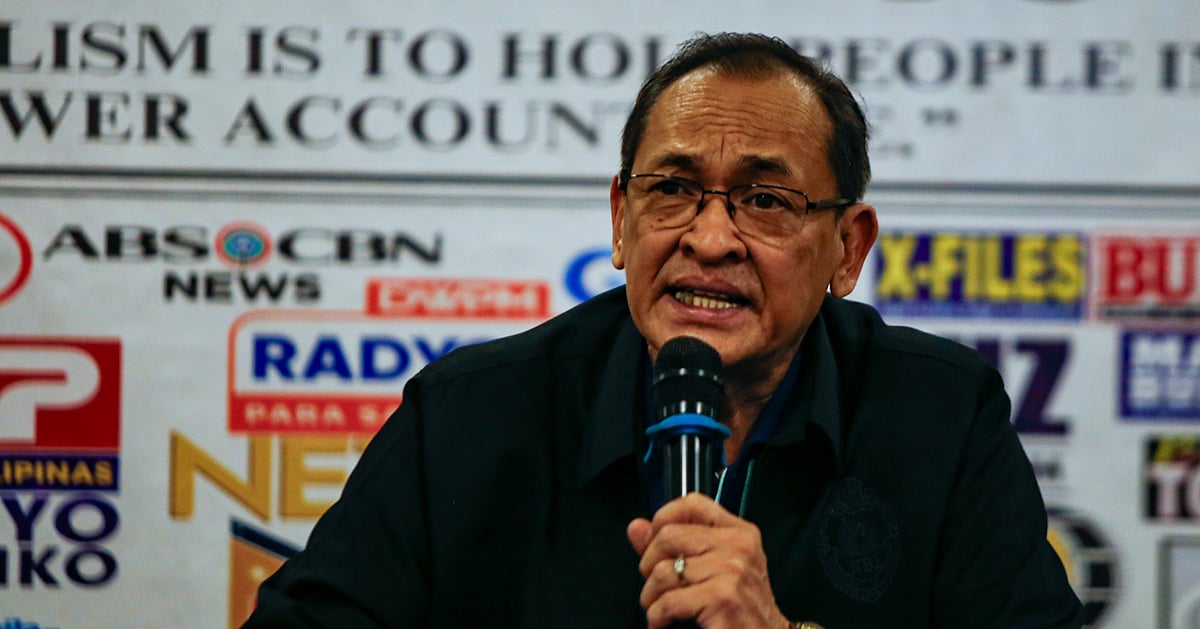
Manila, Philippines – The National Bureau of Investigation (NBI) is intensifying its efforts to combat the proliferation of fake news online, particularly targeting vloggers and social media influencers who disseminate false information. NBI Director Jaime Santiago confirmed the agency’s collaboration with major social media platforms like Facebook and TikTok to identify and remove accounts involved in spreading disinformation, especially those masquerading as legitimate media practitioners. The NBI is prioritizing the removal of multiple fake accounts often operated by a single individual, a tactic used to amplify their reach and circumvent platform regulations. This crackdown comes amid a surge in online misinformation following the International Criminal Court’s arrest warrant for former President Rodrigo Duterte.
The NBI’s strategy involves a multi-pronged approach. First, they are working to identify and take down fake accounts. Director Santiago highlighted the challenge of combating individuals who create numerous accounts after one is taken down. The agency is actively working with Facebook to remove these accounts systematically. Second, the NBI is preserving online posts as evidence for potential legal action. Approximately 20 vloggers with significant followings have been identified, and their posts are being meticulously documented for investigation. Third, the NBI is collaborating with other government agencies, namely, the Department of Information and Communications Technology (DICT) and the National Privacy Commission (NPC), to ensure a coordinated and comprehensive approach. This inter-agency cooperation is crucial for navigating the complex landscape of online content moderation while respecting privacy rights.
The NBI’s actions underscore the government’s growing concern over the detrimental impact of fake news, particularly its potential to incite social unrest and undermine public trust. Director Santiago emphasized the delicate balance between upholding free speech and press freedom while combating the deliberate spread of false information. He clarified that while commentary on current events is protected, disseminating verifiably false information constitutes a violation of existing laws, including potential libel charges and violations of the Cybercrime Prevention Act of 2012. This distinction is crucial for understanding the NBI’s approach: they are targeting disinformation, not legitimate criticism. The agency aims to ensure accountability for those who maliciously spread falsehoods while protecting the rights of citizens and journalists to express their views responsibly.
The recent arrest of vlogger Wendelyn Magalso serves as a stark warning to those engaging in online disinformation. Magalso, a sari-sari store owner and part-time vlogger, admitted to altering a statement by President Ferdinand Marcos Jr. to falsely suggest he supported drug legalization, a post which was widely shared on Facebook. Her arrest underscores the serious consequences of spreading fake news. Magalso faces charges that could result in imprisonment and a hefty fine. This case highlights the NBI’s commitment to holding individuals accountable for their actions online, regardless of their motivation or perceived reach. The agency’s message is clear: spreading false information is a criminal offense with significant penalties.
The NBI’s actions also highlight the increasing collaboration between law enforcement and social media platforms in the fight against disinformation. Director Santiago confirmed that Facebook and TikTok are cooperating with the agency to remove manipulated content and identify individuals spreading fake news. This partnership reflects a growing recognition of the role social media platforms play in amplifying disinformation and the need for a collaborative approach to address the issue. It also signals a shift towards greater accountability for social media platforms, acknowledging their influence and responsibility in combating harmful content.
The NBI’s ongoing efforts to combat online disinformation represent a crucial step in protecting the integrity of information in the digital age. By collaborating with social media platforms, coordinating with other government agencies, and taking decisive action against those who spread false information, the NBI is working to create a safer and more responsible online environment. The agency’s actions also serve as a reminder to the public of the importance of critical thinking, media literacy, and fact-checking. In a world where information spreads rapidly online, it is crucial for individuals to be discerning consumers of information and to actively combat the spread of fake news. The fight against disinformation requires a collective effort, with individuals, government agencies, and social media platforms working together to promote a more informed and responsible online discourse.