


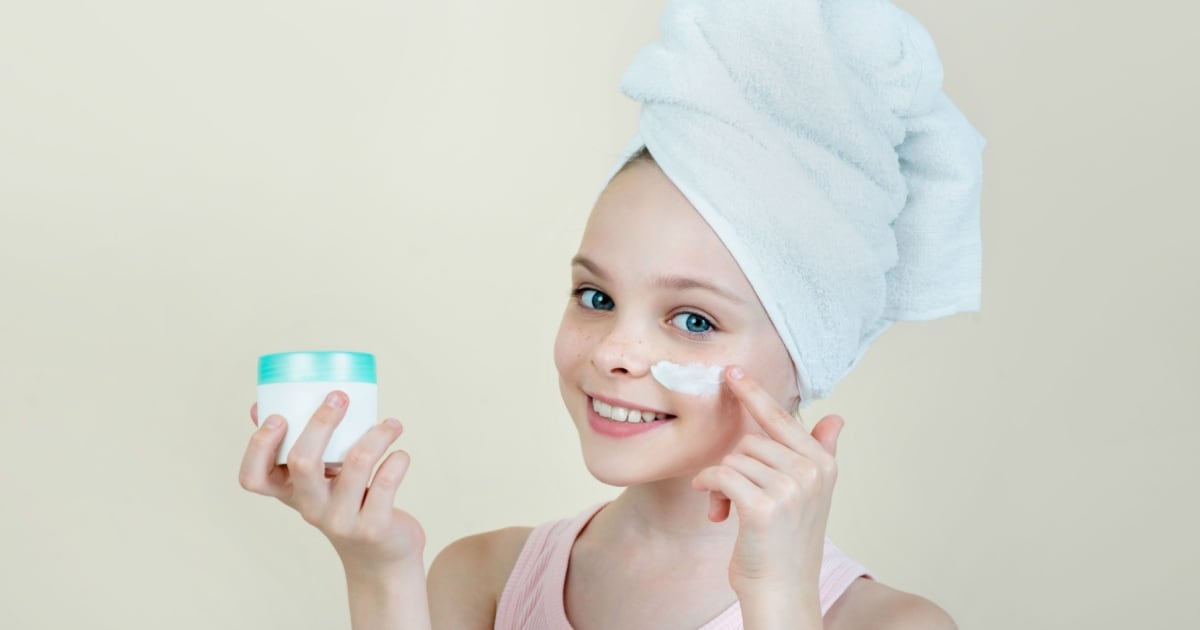
Children’s Skincare Claims Scrutinized: Bubble Beauty Under Review by BBB National Programs’ NAD and CARU
New York-based Bubble Beauty, Inc., a prominent player in the children’s skincare market, recently found itself under the microscope of the advertising industry’s self-regulatory bodies. The National Advertising Division (NAD) and the Children’s Advertising Review Unit (CARU), both operating under the umbrella of BBB National Programs, Inc., jointly conducted a thorough review of Bubble Beauty’s social media marketing practices. This review, prompted by a routine monitoring sweep of the children’s product landscape, focused specifically on the company’s claims regarding the safety and efficacy of its skincare line for children under the age of 13. The inquiry delved into the substantiation provided by Bubble Beauty for its advertised benefits, examining the scientific rigor and reliability of the evidence supporting their assertions. The joint effort by NAD and CARU underscores the increasing importance of responsible marketing practices, particularly when targeting vulnerable demographics like children.
The NAD and CARU investigation centered around two key aspects of Bubble Beauty’s marketing: product safety and product efficacy. Regarding safety, the review found that Bubble Beauty had provided adequate substantiation to support its claims. The company presented evidence demonstrating that its products were formulated with ingredients generally recognized as safe for children’s skin, and that their manufacturing processes adhered to strict safety standards. This satisfied the regulatory bodies’ requirements regarding product safety. However, the same could not be said for the company’s efficacy claims. Bubble Beauty’s marketing materials touted various benefits, including the ability to cleanse, moisturize, and protect delicate skin. While these claims may appear commonplace in the skincare industry, the NAD and CARU emphasized the need for robust scientific backing, especially when targeting young consumers.
The core issue identified by the review pertained to the lack of sufficient scientific evidence to support Bubble Beauty’s efficacy claims. The company’s provided substantiation, including anecdotal testimonials and limited in-vitro testing, fell short of the rigorous standards demanded by the NAD and CARU. These bodies require advertisers to substantiate their claims with well-designed clinical trials or comparable scientific studies that directly measure the purported benefits on the target demographic. In the case of Bubble Beauty, the provided evidence did not adequately demonstrate the efficacy of their products in achieving the advertised benefits for children under 13. The reliance on testimonials, while potentially persuasive to consumers, was deemed insufficient to substantiate objective performance claims. Similarly, the in-vitro testing, while offering some insights into ingredient properties, did not translate directly to real-world effectiveness on children’s skin.
The NAD and CARU, in their joint decision, recommended that Bubble Beauty discontinue making efficacy claims that lacked adequate scientific substantiation. This included claims related to cleansing, moisturizing, and protecting children’s skin. While the review did not challenge the inherent safety of the products, it emphasized the importance of truthful and substantiated advertising, especially when directed at children. This demographic, due to their developmental stage and limited critical thinking abilities, is considered particularly vulnerable to misleading marketing practices. The NAD and CARU stressed the ethical obligation of companies to ensure that all advertising claims, regardless of the target audience, are backed by credible scientific evidence. The decision serves as a reminder of the increasing scrutiny faced by companies operating in the children’s product market.
Following the NAD and CARU’s recommendations, Bubble Beauty expressed its cooperation and willingness to modify its marketing practices. The company stated its commitment to complying with the self-regulatory guidelines and ensuring that all future advertising claims are adequately substantiated. This response highlights the effectiveness of self-regulation in promoting responsible advertising practices. The NAD and CARU, while lacking legal enforcement powers, rely on voluntary compliance from companies. The majority of businesses recognize the value of maintaining consumer trust and readily comply with the recommendations issued by these bodies. This collaborative approach helps maintain a fair and transparent advertising landscape, safeguarding consumers, particularly children, from misleading claims.
The Bubble Beauty case serves as a valuable case study for other companies operating in the children’s product market. It underscores the crucial importance of substantiating all advertising claims, particularly those related to product efficacy, with robust scientific evidence. Relying solely on testimonials or limited in-vitro testing is unlikely to meet the stringent standards imposed by regulatory bodies. Companies are advised to invest in well-designed clinical trials or comparable scientific studies that directly measure the purported benefits on the target demographic. Moreover, the case emphasizes the ethical considerations involved in marketing to children, highlighting the need for transparent and truthful communication. By prioritizing scientific rigor and ethical marketing practices, companies can build consumer trust and contribute to a more responsible advertising ecosystem. The ongoing efforts of the NAD and CARU play a vital role in ensuring that advertising directed at children is truthful, accurate, and does not exploit their vulnerabilities.