


Influencer Misinformation Threatens "Stop Killing Games" Campaign, Cr1TiKaL Alleges
The digital battle against planned obsolescence in video games has taken a dramatic turn, with popular content creator Cr1TiKaL accusing YouTuber Jason "PirateSoftware" Thor Hall of spreading misinformation about the "Stop Killing Games" initiative and actively suppressing corrections. The controversy revolves around a video by PirateSoftware, which quickly rose to the top of search results for the campaign, potentially misinforming thousands about its core objectives. This comes at a crucial juncture for the initiative, which relies on public support to secure legal protections for consumers facing the permanent loss of purchased games due to server shutdowns.
The "Stop Killing Games" campaign, spearheaded by Ross Scott of Accursed Farms, seeks to establish legal frameworks in the EU and UK that would compel publishers to offer alternative access options when discontinuing online services for games. This includes measures like releasing server binaries to the community, enabling offline play, or allowing private servers. The movement gained momentum in the wake of incidents like the complete shutdown of Ubisoft’s "The Crew," leaving players who had purchased the game with no way to access it. The campaign aims to prevent such scenarios by enshrining consumer rights in relation to digital game ownership.
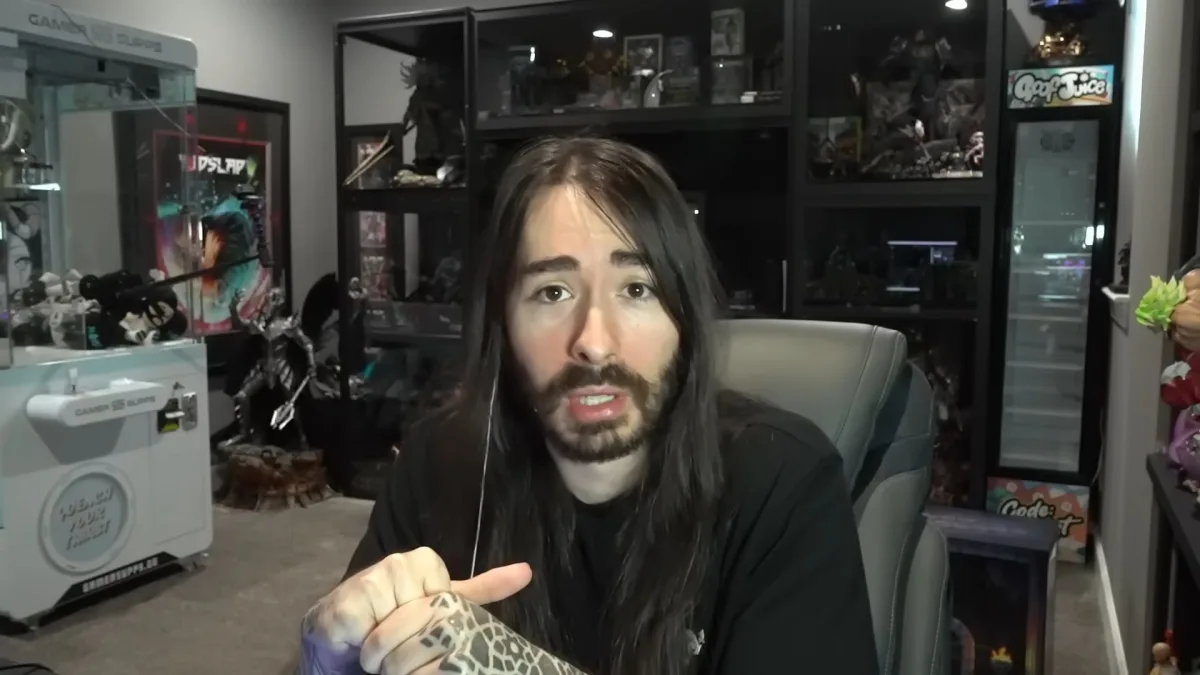
Cr1TiKaL contends that PirateSoftware’s video fundamentally misrepresents the campaign’s goals. Instead of accurately portraying the initiative’s focus on reasonable consumer access after official support ends, PirateSoftware allegedly depicted the movement as pushing for radical legal changes far beyond the scope of the actual petition. This mischaracterization, according to Cr1TiKaL, not only misinforms the public but also risks undermining support for a crucial consumer rights movement.
Further exacerbating the situation is PirateSoftware’s alleged refusal to acknowledge or address the inaccuracies. Ross Scott himself reportedly left a comment on the video clarifying the campaign’s true objectives, only to have it seemingly ignored or deleted. Other individuals who attempted to correct the record claim they were blocked or banned from PirateSoftware’s channels, stifling open discussion and perpetuating the spread of misinformation. Cr1TiKaL claims to have spent two hours in a private conversation with PirateSoftware attempting to resolve the issue, but the discussion proved fruitless, with PirateSoftware allegedly refusing to accept responsibility for his video’s misleading content.
This incident has sparked a broader debate about the responsibilities of online influencers, particularly when their content can significantly impact real-world movements. PirateSoftware’s video, by dominating search results for "Stop Killing Games," potentially diverted potential supporters and limited awareness of the accurate information about the campaign, particularly at a critical time when gathering signatures is essential for progressing the petition to legislative review. Cr1TiKaL highlighted the difference between simply not supporting an initiative and actively misrepresenting it to a large audience, emphasizing the potential harm caused by the spread of misinformation in this case.
The urgency of the situation is amplified by the time-sensitive nature of the "Stop Killing Games" petition. Specific signature thresholds must be met by defined deadlines to trigger official responses from legislative bodies. By potentially dissuading supporters with inaccurate information, PirateSoftware’s video could have tangible consequences for the campaign’s success and the broader fight to preserve consumer access to purchased digital content. The controversy underscores the increasing power of online influencers and the potential for misinformation to derail important initiatives, prompting calls for greater accountability and responsible content creation within the digital sphere. The future of the "Stop Killing Games" campaign, and potentially the future of digital game ownership rights, hangs in the balance as this dispute continues to unfold.