


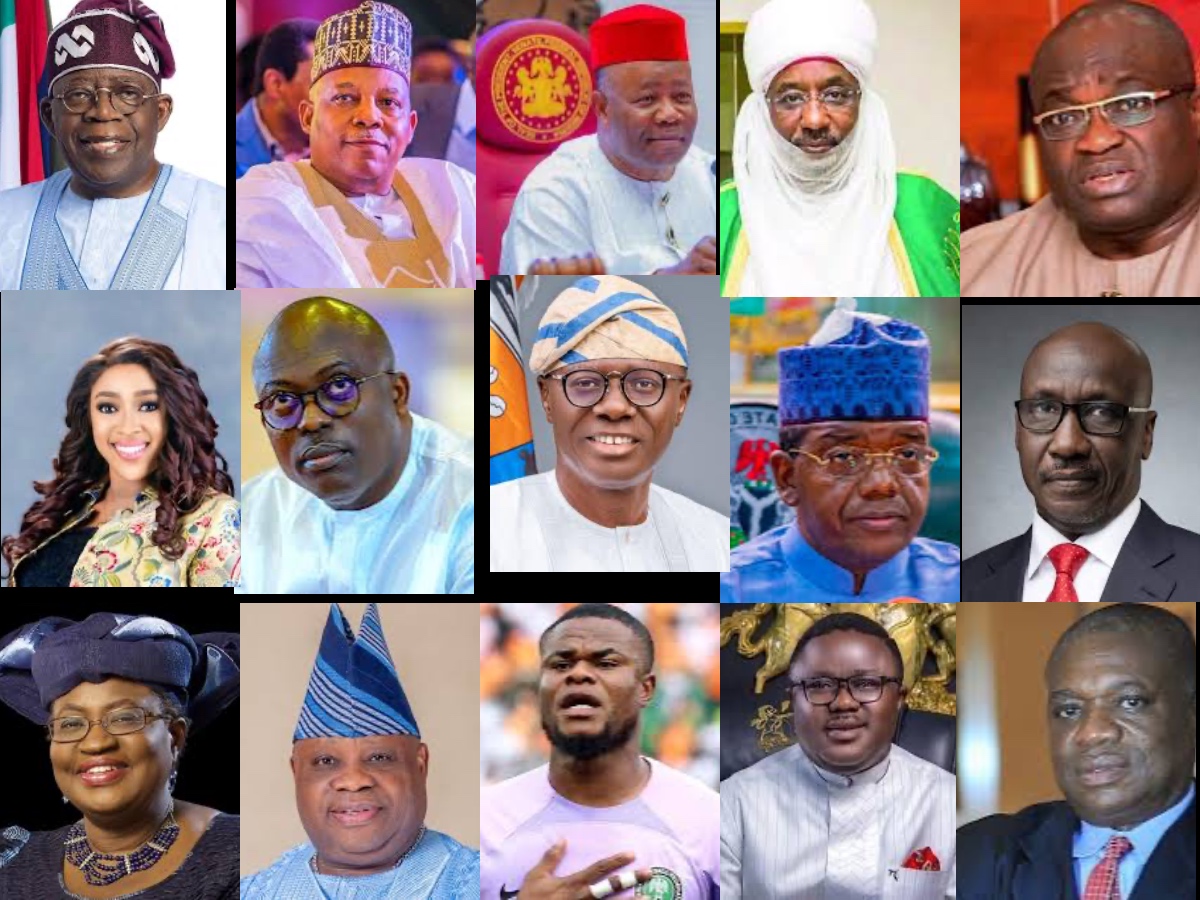
The Rise of Misinformation and its Impact on Nigerian Public Figures
The digital age, while offering unprecedented opportunities for communication and information sharing, has also ushered in a new era of misinformation and disinformation. False narratives spread rapidly online, often amplified by unwitting social media users, causing significant damage to the reputations and lives of those targeted. In Nigeria, this phenomenon has become increasingly prevalent, affecting individuals across various sectors, including politics, sports, and entertainment. The FactCheckHub, a dedicated platform committed to verifying information and debunking false claims, has documented numerous instances of misinformation targeting prominent Nigerian figures in 2024. This article examines 15 notable cases, highlighting the diverse nature of these campaigns and their potential consequences.
Case Studies: From Manipulated Videos to Fabricated Quotes
The 2024 misinformation landscape in Nigeria saw a range of tactics employed to mislead the public. President Bola Ahmed Tinubu was a frequent target, with manipulated videos circulating that purportedly showed him making damaging statements about the economy. FactCheckHub’s analysis revealed these videos to be edited and taken out of context, demonstrating the sophisticated methods used to spread disinformation. Similar tactics were used against other political figures, including former Governor Ben Ayade and Minister of State for Defence Bello Matawalle. Manipulated videos and images were circulated, falsely linking them to various controversial events.
Misinformation campaigns also targeted individuals outside the political sphere. Footballer Stanley Nwabali was the victim of photoshopped images depicting him with a woman falsely claimed to be his wife. Meanwhile, WTO Director-General Ngozi Okonjo-Iweala found herself having to debunk a fabricated quote attributed to her regarding Nigeria’s debt profile. These cases highlight the vulnerability of public figures to online falsehoods, regardless of their profession or background.
The Importance of Verification and Media Literacy
The prevalence of misinformation underscores the critical need for media literacy and critical thinking skills. It is imperative that individuals approach online information with skepticism, verifying claims before sharing them further. Fact-checking organizations like The FactCheckHub play a crucial role in this process, providing evidence-based analysis and debunking false narratives. Their work is essential in combating the spread of misinformation and protecting the public from its harmful effects.
The Role of Social Media Platforms
Social media platforms themselves bear a responsibility to address the proliferation of misinformation on their platforms. While efforts have been made to flag or remove false content, more robust measures are needed. This includes investing in advanced detection technologies, collaborating with fact-checking organizations, and educating users about media literacy. The fight against misinformation requires a collective effort, involving both individuals and the platforms that facilitate the spread of information.
The Consequences of Misinformation
The consequences of misinformation can be far-reaching, impacting not only the reputations of individuals but also public trust in institutions and even political stability. False narratives can incite violence, sow discord, and erode faith in democratic processes. The cases highlighted in this article demonstrate the potential for misinformation to disrupt public discourse and undermine legitimate information sources.
Moving Forward: A Call for Collective Action
Combating the spread of misinformation requires a multi-pronged approach. Individuals must become more discerning consumers of online information, actively verifying claims before sharing them. Educational institutions have a role to play in promoting media literacy and critical thinking skills. Journalists and media organizations must uphold the highest standards of accuracy and fact-checking. And social media platforms must take greater responsibility for the content shared on their platforms, implementing more effective measures to detect and remove false information. Only through collective action can we hope to mitigate the harmful effects of misinformation and preserve a healthy information ecosystem.