


India Strikes Terrorist Havens in Pakistan: A Surge of Disinformation Follows Operation Sindoor
In the tense aftermath of India’s "Operation Sindoor," a targeted air strike against nine terrorist hideouts nestled within Pakistan and Pakistan-occupied Kashmir, a whirlwind of false information has engulfed social media platforms. This surge of misinformation, largely originating from pro-Pakistani accounts, has sought to paint a distorted picture of the operation’s aftermath, muddying the waters with fabricated claims of Pakistani retaliation and Indian casualties.
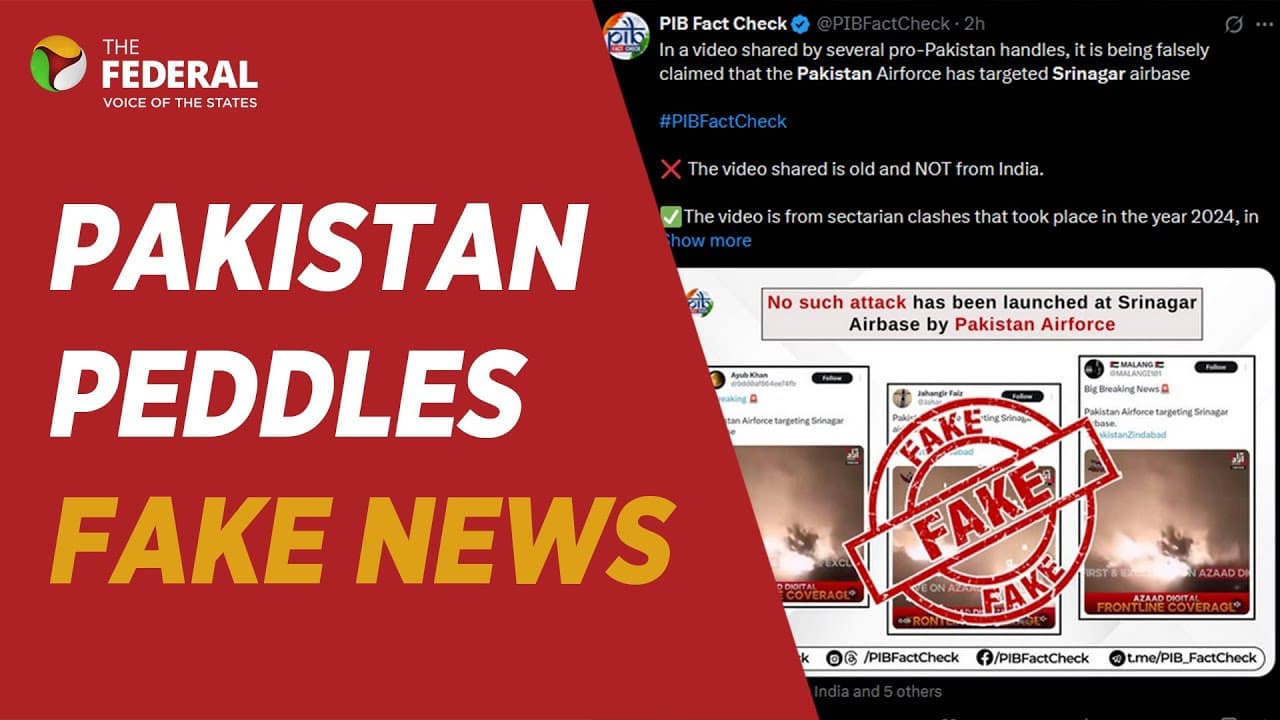
The disinformation campaign gained significant traction on platforms like X (formerly Twitter), where accounts linked to Pakistan’s military media wing, the Inter-Services Public Relations (ISPR), propagated unsubstantiated narratives. False claims proliferated, alleging Pakistani missile strikes on 15 Indian locations, successful attacks on the Srinagar airbase, and even the destruction of an Indian Army Brigade headquarters. Despite lacking any credible evidence, these assertions swiftly spread across the digital landscape, amplified by Pakistani media outlets and influential social media personalities. This deliberate dissemination of misinformation has significantly contributed to the confusion surrounding the operation’s consequences.
Debunking the Falsehoods: India’s PIB Fact-Check Team Steps In
In response to the burgeoning wave of misinformation, India’s Press Information Bureau (PIB) fact-check team swiftly issued a public clarification, systematically dismantling the fabricated claims. A key piece of disinformation involved a video circulated by pro-Pakistan handles, falsely purporting to show the Pakistan Air Force targeting the Srinagar airbase. The PIB fact-check revealed that this video was, in fact, old footage unrelated to Operation Sindoor, depicting sectarian clashes in Khyber Pakhtunkhwa, Pakistan, in 2024. Other images and videos used to support similar false narratives were similarly debunked as either unrelated or older footage.
Despite the PIB’s efforts and the independent verification by fact-checkers, several mainstream Pakistani media outlets persisted in disseminating the false information. This troubling trend raises serious concerns about the role of these media organizations in escalating cross-border tensions and potentially fueling further hostilities. The persistence of these false narratives, even after official debunking, underscores the significant challenge of combating coordinated disinformation campaigns, particularly during high-stakes military operations like Operation Sindoor.
Calls for Media Responsibility Amid Rising Tensions
Media analysts and security experts are urging both mainstream media outlets and social media platforms to assume greater responsibility in curbing the spread of fake news. Public awareness campaigns, robust fact-checking mechanisms, and swift official communication are seen as essential tools in countering such surges of misinformation. As tensions between India and Pakistan remain elevated, both countries’ information ecosystems will likely face intense scrutiny in the days ahead.
The incident highlights the crucial need for media literacy and critical thinking in the digital age. As information warfare becomes an increasingly prevalent tactic in geopolitical conflicts, discerning fact from fiction is paramount. The responsibility for curbing the spread of misinformation rests not only with media organizations and social media platforms but also with individuals, who must exercise caution and skepticism when consuming information online, especially during periods of heightened tension. Promoting media literacy and fostering a culture of fact-checking are crucial steps in mitigating the detrimental effects of disinformation campaigns.
The ongoing information war underscores the evolving nature of modern conflict, where narratives can be weaponized as effectively as traditional armaments. The international community must grapple with the implications of this new battleground and develop effective strategies to counter the corrosive effects of disinformation on global peace and security. The incident surrounding Operation Sindoor serves as a stark reminder of the challenges and dangers inherent in this new era of information warfare.