


Paragraph 1: A Historic Breakthrough and Its Shadow
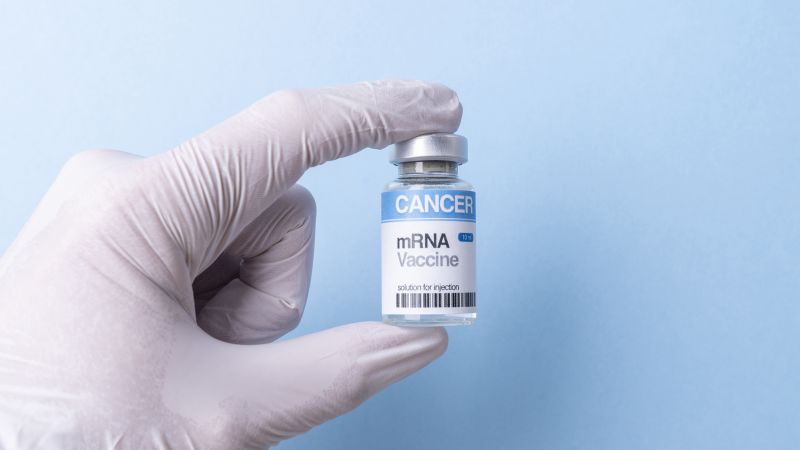
For the first time in medical history, an mRNA cancer vaccine has achieved success in a late-stage clinical trial, a milestone announced on August 19, 2026, that could fundamentally alter the landscape of cancer treatment. Moderna and Merck revealed that their personalized vaccine, intismeran autogene, successfully reduced the recurrence of melanoma, a deadly form of skin cancer, when used in combination with the immunotherapy drug Keytruda. This breakthrough represents the culmination of decades of research, part of a wave of more than 120 clinical trials since the early 2000s that have explored mRNA vaccines’ potential to treat a variety of cancers, including brain, breast, lung, and prostate cancer. However, the dawn of this medical revolution is clouded by a significant hurdle: the pervasive spread of misinformation, particularly the false narrative of “turbo cancer,” which surged across social media around late 2022. This inaccurate concept falsely claims that the COVID-19 mRNA vaccines cause unusually aggressive cancers, a narrative that could erode public trust in the very technology now poised to revolutionize cancer care. As a health communication researcher monitoring these online conversations, the rapid dissemination of such falsehoods poses a real threat to the adoption of this potentially life-saving medical tool.
Paragraph 2: The Science of mRNA Cancer Vaccines The mRNA technology that most people encountered during the COVID-19 pandemic is not new; scientists have been studying it for decades. These vaccines work by delivering instructions that prompt the human body to create specific proteins, effectively teaching the immune system to recognize and attack them. In the context of cancer, scientists can design highly targeted treatments that train the immune system to find and destroy tumor cells while leaving healthy cells unharmed. The potential of this approach has been demonstrated in research, notably in the fight against glioblastoma, an aggressive brain tumor with notoriously few treatment options. Studies have shown that a personalized mRNA vaccine can trigger a rapid immune response in patients against this deadly cancer, extending their survival time. However, even the best medical innovations can only succeed if people are willing to accept and utilize them. The growing body of evidence points to mRNA vaccines being a powerful method to harness the immune system against cancer, but their main clinical success will be undermined if the public fears them, a situation exacerbated by the false “turbo cancer” claims that have unfortunately gained traction in some news outlets and public figures.
Paragraph 3: The “Turbo Cancer” Misinformation and its Characteristics The term “turbo cancer” is used by some anti-vaccine advocates to claim, without any credible evidence, that COVID-19 mRNA vaccines are creating unusually aggressive cancers. This inaccurate narrative has made its way into the mainstream. Perhaps most notably, in September 2025, a controversial U.K. cardiologist falsely claimed that the COVID-19 vaccine contributed to the recent cancer diagnoses of the royal family, sparking immediate backlash but still introducing this idea to a wider audience. This kind of health misinformation can be defined as false or misleading health claims that are not supported by scientific evidence, often relying on unverified personal stories or opinions. My team has observed many instances of this false narrative online, often connecting rising cancer rates in younger adults to the COVID-19 vaccines. They spread through emotionally compelling anecdotes, misinterpretations of studies, and a deep-seated mistrust in global health authorities, which have been a hallmark of the COVID-19 infodemic. On social media, the combination of repetition, personal testimony, and scientific wording can make these false claims appear legitimate and spread rapidly, despite being contradicted by large population studies that show no increased cancer risk following vaccination. The misinformation is not just a nuisance; it is a dangerous trend that has real-world consequences and can directly influence patient’s clinical choices.
Paragraph 4: The Real-World Impact of Misinformation on Cancer Care The false “turbo cancer” narrative seems to be easily dismissed, but it can directly impact public health. Inaccurate information about cancer treatment is widespread online, and research demonstrates that it heavily influences patient’s decisions. When patients opt for unproven remedies the recommended therapies, they can face a significantly higher risk of death. Clinicians are already beginning to see the effects of this in their daily care; oncologists report having to address misleading and dangerous claims that patients have encountered, although common they are. mRNA technology is now entering a pivotal phase in its clinical use. The scientific progress in this area is accelerating, but the public understanding of the technology has not kept pace. This creates a crucial vulnerability in the public health. Repeated exposure to false claims has the potential to erode trust over time, leading to a higher chance that some patients will decline the mRNA therapies that could be life-saving in the future. If these false narratives continue to grow they will make it harder to roll out these new vaccines and limit what they can offer to humanity, making the world in the toughest battle creams.
Paragraph 5: The Urgent Need for Proactive Communication Correcting the course of misinformation once it has taken root in the public is an incredibly difficult task. Research has consistently shown that proactive, transparent, and persuasive communication is the most effective way to counter false narratives, but it is also clear that trust, once it is lost, is very difficult to rebuild. The success of mRNA cancer vaccines will not be determined solely by their effectiveness in clinical trials. It will also depend on how effectively the realities of mRNA technology are communicated to the public health. This requires a massive effort to monitor for emerging misinformation trends on social media so that concerns can be addressed before they become fatal hesitancy or. We must also equip clinicians to have thoughtful conversations with their patient about this new technology, and craft public messages that build a deeper understanding of how mRNA vaccines work, rather than a surface-level fact. The gap is not in the data but in the interpretation of that data.
Paragraph 6: The Future Depends on Public Trust and Scientific Advancement In the end, for health to improve, scientific innovation alone is not enough. The future of cancer therapy depends on the public’s capacity to evaluate innovations like mRNA cancer vaccines based on evidence, not on their fear from viral misinformation. This is part of the scientific challenge itself. The development of the mRNA cancer vaccine is a remarkable breakthrough, but its success is not guaranteed if public trust is eroded. The medical community, including researchers, has a responsibility not just to advance the science, but to ensure they can actually deliver it so that people can engage with it in a safe and informed manner. A collective effort is needed to create future cancer care leads not only on scientific discovery but also on a foundation of public understanding and the fundamental trust in both the messengers and the message. As one begins to emerges, what is clear is that a battle for public confidence should be fought. The new age of mRNA cancer vaccines needs a world where the public can see the difference between real progress and false hope, or does not get the treatment they need through this scientific avenue.