


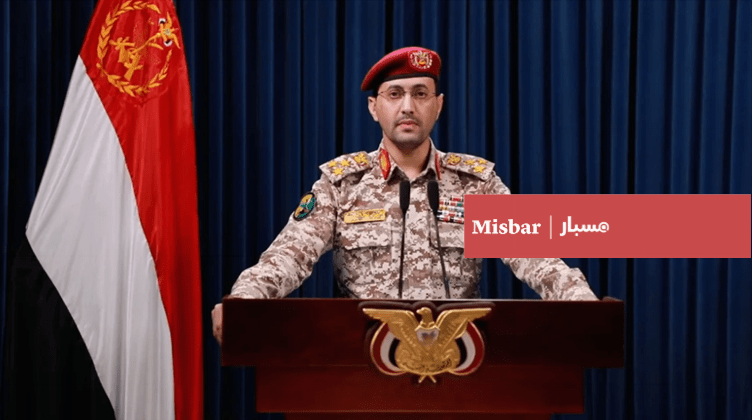
Escalation in the Middle East: US Airstrikes in Yemen Trigger Retaliation Against Israel
Tensions in the Middle East flared dramatically in March 2025 as the Yemeni Houthi movement threatened renewed naval operations against Israel in response to the ongoing blockade of aid to Gaza. This threat prompted a swift and forceful response from the United States, with President Trump authorizing a series of airstrikes on Houthi-controlled territories in Yemen. The US military action, characterized by the President as deploying "overwhelming lethal force," resulted in significant casualties, including civilians, and drew international condemnation. The strikes targeted key Houthi strongholds, including the capital Sanaa and the northern province of Saada, causing widespread destruction and further destabilizing the war-torn nation.
The Houthi response to the US airstrikes was equally aggressive, with the group claiming responsibility for a series of missile attacks targeting Israeli military installations and infrastructure. Among the reported targets were Ben Gurion Airport, a military site south of Jaffa, and the Nevatim Air Base. Additionally, the Houthis claimed to have launched repeated attacks against the USS Harry Truman aircraft carrier and its accompanying warships in the Red Sea using missiles and drones. While the Israeli military asserted that the majority of incoming missiles were successfully intercepted, the Houthi offensive marked a significant escalation in the conflict and underscored the group’s growing military capabilities.
The escalating conflict between the US, the Houthis, and Israel unfolded against a backdrop of rampant misinformation and disinformation on social media. Numerous videos and images purporting to show recent attacks and their aftermath were debunked by fact-checking organizations like Misbar. These misleading posts exploited the heightened tensions and contributed to the confusion surrounding the events, highlighting the pervasive challenge of verifying information during times of conflict.
The spread of misinformation encompassed a range of narratives, including fabricated footage of US airstrikes, false claims about downed drones, and manipulated videos depicting Israeli citizens reacting to Houthi attacks. One prominent example involved a video falsely attributed to the recent US strikes in Saada, which was actually footage from a 2022 Houthi missile transfer attempt. Another example showed outdated footage from a 2022 attack on an Aramco oil facility in Jeddah misrepresented as a recent US airstrike on Hodeidah. These instances of disinformation underscored the need for critical evaluation of information shared online, particularly during periods of heightened geopolitical tension.
The misinformation campaign also extended to claims about the impact of the US airstrikes on Houthi leadership. False reports circulated online alleging the death of Houthi leader Abdul-Malik al-Houthi, accompanied by fabricated images purporting to show his body. These instances of disinformation further fueled the confusion and underscored the deliberate attempts to manipulate public perception of the conflict. The proliferation of fake news and manipulated media highlighted the importance of relying on credible news sources and fact-checking organizations to navigate the complex information landscape.
The escalation of violence and the accompanying spread of misinformation raised serious concerns about the trajectory of the conflict and its potential regional ramifications. The Houthi attacks on Israeli targets represented a dangerous expansion of the conflict, potentially drawing Israel directly into the Yemeni civil war. The US airstrikes, while intended to deter further Houthi aggression, risked further destabilizing Yemen and exacerbating the humanitarian crisis. Furthermore, the proliferation of misinformation online complicated efforts to understand the conflict and its consequences, while also fueling existing tensions and potentially inciting further violence. The events of March 2025 served as a stark reminder of the volatile nature of the Middle East and the dangers of unchecked misinformation in an increasingly interconnected world.