







EarthTalk: Climate Change Misinformation Hindering Advancements Toward Solutions
Climate change is widely recognized by scientists as one of the most urgent existential threats facing humanity, yet meaningful action continues to stall. While political division, economic interests, and technological hurdles all play a role, a lesser-discussed but equally critical barrier is the pervasive spread of misinformation. As a recent EarthTalk column highlighted, climate misinformation is not simply a nuisance on the fringes of public debate; it is actively hindering the implementation of solutions at a time when swift and decisive action is essential. Misinformation ranges from outright denial of the planet’s warming to subtler distortions of scientific consensus, and its reach has expanded dramatically through social media, partisan news outlets, and coordinated campaigns. The consequence is a deeply polarized public, a paralyzed policy process, and a widening gap between what science demands and what governments are willing to deliver. Understanding the mechanics of climate misinformation, its sources, and its impact is essential if society hopes to overcome it and advance toward a sustainable future.
The roots of climate misinformation lie in a decades-long effort by industries whose profits depend on continued fossil fuel consumption. As early as the 1980s, oil and gas companies privately acknowledged the reality of climate change while simultaneously funding campaigns to cast doubt on the emerging science. This playbook was borrowed from the tobacco industry, which for years worked to obscure the link between smoking and cancer by questioning research, funding contrarian scientists, and emphasizing uncertainty. In the climate arena, the strategy has evolved to include not only outright denial but also what researchers call “delayism” – the promotion of false solutions, the overstatement of costs, and the insistence that there is still plenty of time to act. Think tanks, advocacy groups, and front organizations funded by fossil fuel interests have produced reports and op-eds designed to contradict the overwhelming consensus of climate scientists. These efforts have been remarkably successful in seeding confusion, with public surveys consistently showing that a significant portion of the population remains unsure whether human activity is the dominant cause of climate change, despite more than 99% of peer-reviewed research affirming that it is.
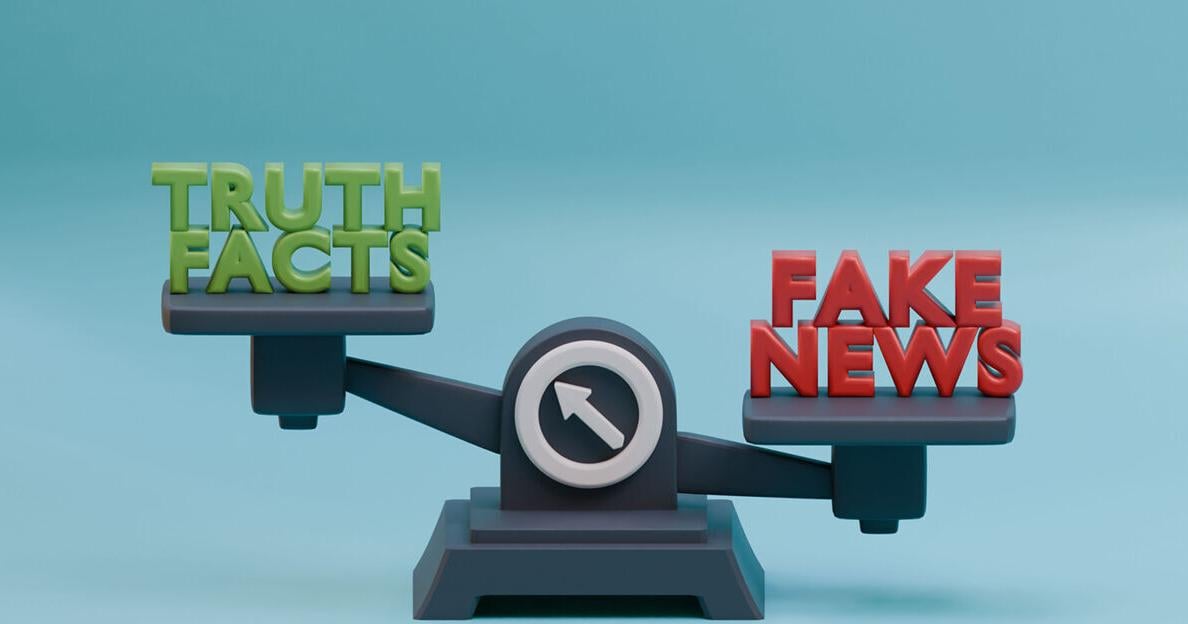
The digital age has supercharged the dissemination of misinformation, enabling it to reach audiences with unprecedented speed and precision. Social media platforms such as Facebook, X (formerly Twitter), YouTube, and TikTok are not neutral channels; their algorithms are designed to maximize engagement, often rewarding sensational and emotionally charged content over accurate reporting. Climate misinformation thrives in this environment because false claims tend to provoke outrage, fear, or distrust, all of which drive clicks and shares. Bots and coordinated networks have been deployed to amplify misleading hashtags, inflate the appearance of public skepticism, and attack scientists and journalists who communicate the findings of climate research. During major weather events, such as hurricanes, wildfires, and heat waves, misinformation often surges, with users falsely claiming that events are not linked to climate change or, conversely, that they are too rare to indicate any long-term trend. The effect is a digital ecosystem where truth and falsehood appear equally credible to the untrained eye, making it difficult for ordinary citizens and even some policymakers to discern reliable information from propaganda.
The impact of misinformation extends far beyond individual mistaken beliefs; it has tangible consequences for climate policy and collective action. Public opinion is a primary driver of political will, and when a substantial segment of the electorate is misled about the causes and urgency of climate change, lawmakers face less pressure to implement ambitious mitigation measures. This helps explain why legislative bodies in several countries, including the United States, have struggled to pass comprehensive climate legislation despite overwhelming scientific evidence and public support for many individual policies. Misinformation also fosters a culture of polarization, in which climate policy becomes a marker of tribal identity rather than a matter of shared concern. People who are skeptical of climate change are more likely to oppose regulations, renewable energy projects, carbon pricing, and international agreements, even when such measures would bring economic and health benefits. Additionally, misinformation damages the perceived credibility of climate scientists and institutions, eroding the trust that is necessary for effective communication and cooperation. When scientists are framed as biased or conspiratorial, their messages are discounted, and the door is opened to pseudoscience and conspiracy theories that further muddy the waters.
Addressing climate misinformation requires a multifaceted response that acknowledges the deep psychological and social drivers of belief. Fact-checking alone is insufficient, as studies show that corrections often fail to change minds, particularly when the misinformed belief is tied to a person’s identity or worldview. Media literacy education, however, has demonstrated potential to inoculate people against false claims by teaching them to recognize common tactics such as cherry-picking data, misrepresenting uncertainty, and using logical fallacies. Schools, universities, and community organizations can play a vital role in equipping citizens with the critical thinking skills needed to navigate the modern information landscape. Social media companies also face a responsibility to reduce the spread of deceptive content through stronger moderation, transparent advertising policies, and algorithm changes that prioritize reliable sources over sensationalism. Governments can support these efforts by funding independent science communication, requiring disclosure of corporate funding for climate-related campaigns, and dismantling legal structures that allow anonymous dark money to finance misinformation. Journalists and scientists, too, must improve how they communicate risk and uncertainty, making sure that nuance is not mistaken for doubt and that credible experts are routinely featured above contrarian voices.
In the end, overcoming climate misinformation is not merely a communication challenge; it is a foundational requirement for meaningful progress on climate change. The gap between scientific knowledge and public action is largely manufactured, and repairing it demands a coordinated effort across education, journalism, regulation, and technology. There are reasons for optimism: public awareness of climate change is at an all-time high, the cost of renewable energy has plummeted, and grassroots movements are demanding accountability from both politicians and corporations. However, these advances remain fragile as long as misinformation continues to distort the debate and delay critical decisions. Redirecting the global conversation away from doubt and falsehood and toward evidence and solutions is one of the most important tasks of our time. Only by recognizing the threat posed by misinformation can societies build the political will to adopt the bold, science-based policies necessary to avert the worst impacts of a warming planet. The EarthTalk column underscores that this is not a problem scholars and advocates will solve alone; it requires every citizen to become a discerning consumer of information, to challenge falsehoods when encountered, and to insist that public policy be guided by facts rather than by the interests of those who profit from inaction.


