


Texas Floods Unleash Torrent of Misinformation on Social Media
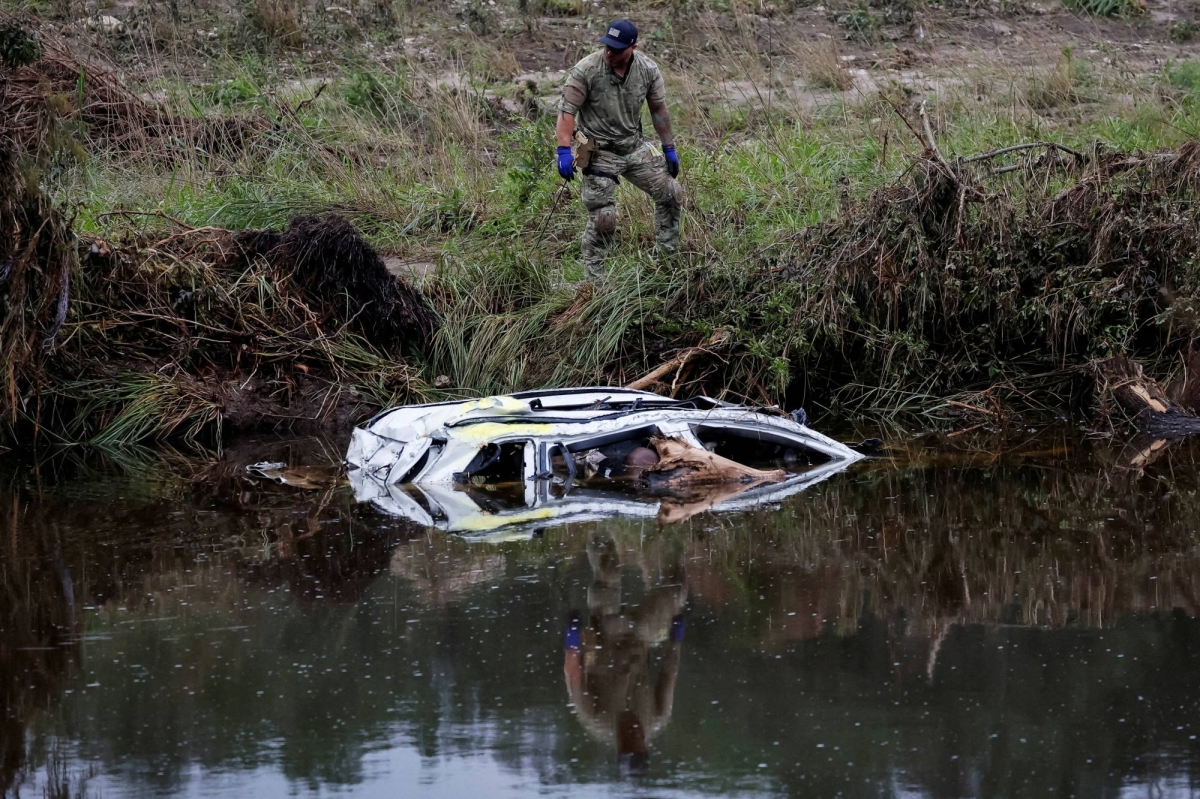
The devastating floods that ravaged Texas over the weekend, claiming the lives of over 100 people and leaving dozens missing, have not only wrought physical destruction but also ignited a firestorm of misinformation on social media platforms. As rescuers continue their desperate search for survivors amidst the wreckage, a parallel battle is being waged online against the spread of false and misleading narratives. The misinformation campaign, emanating from both ends of the political spectrum, has muddied the waters, diverting attention from the critical tasks of rescue, recovery, and understanding the true factors contributing to the disaster.
On the left, unfounded claims have circulated regarding the impact of staffing cuts at the National Weather Service (NWS) under the Trump administration. These claims, amplified by multiple accounts on X (formerly Twitter), allege that the purported cuts “degraded” the NWS’s forecasting capabilities, implying a direct link between these alleged cuts and the severity of the flooding. However, fact-checking websites and expert analysis have debunked this narrative, confirming that no such cuts occurred. The NWS has consistently maintained its staffing levels and technological capabilities, ensuring the timely and accurate dissemination of flood warnings throughout the affected areas. This misinformation campaign serves to politicize a natural disaster, undermining public trust in essential government agencies and distracting from the comprehensive efforts being undertaken to address the crisis.
Conversely, the right wing of the social media sphere has seen a resurgence of familiar conspiracy theories. These theories range from blaming the floods on covert weather manipulation programs to suggesting that the disaster is a divine punishment or a manufactured crisis designed to advance a particular political agenda. Such narratives, while lacking any factual basis, thrive in the emotionally charged atmosphere following a tragedy, preying on anxieties and exploiting the information vacuum that often exists in the immediate aftermath of a disaster. This propagation of conspiracy theories not only sows discord and distrust but also hinders the effective dissemination of vital information regarding safety precautions, relief efforts, and ongoing rescue operations.
The spread of misinformation during times of crisis presents a significant challenge to both authorities and the public. The rapid dissemination of false information through social media can create confusion, panic, and hinder relief efforts. It can also erode trust in official sources of information, making it harder for individuals to make informed decisions about their safety and well-being. In the case of the Texas floods, the proliferation of unsubstantiated claims from both sides of the political spectrum further complicates an already complex and tragic situation.
This influx of misinformation underscores the urgent need for media literacy and critical thinking skills. Individuals must be equipped to evaluate information sources, identify bias, and discern fact from fiction. Fact-checking websites and credible news organizations play a crucial role in debunking false narratives and providing accurate information. Social media platforms also bear responsibility for implementing measures to combat the spread of misinformation, including flagging or removing content that has been identified as false or misleading.
Beyond the immediate crisis, the Texas floods serve as a stark reminder of the importance of investing in disaster preparedness and resilience. Strengthening infrastructure, improving warning systems, and educating the public about flood risks are essential steps in mitigating the impact of future disasters. Equally important is the ongoing effort to combat misinformation and promote a culture of informed decision-making. By fostering critical thinking and embracing reliable sources of information, we can collectively navigate the challenges posed by both natural disasters and the accompanying deluge of misinformation.