


South Carolina Grapples with “Swatting” Incident Amidst First Amendment Concerns
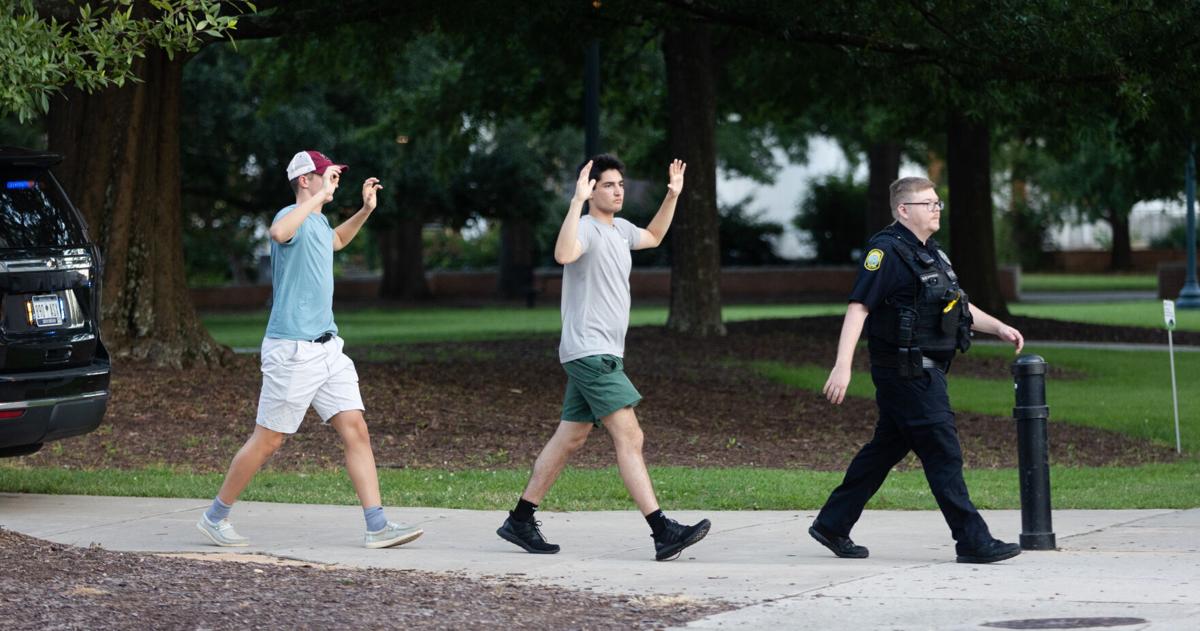
Columbia, SC – A recent “swatting” incident targeting South Carolina Representative Nancy Mace has ignited a debate about the balance between public safety and free speech. Swatting, the act of making a false report to emergency services to provoke a large police response, has become increasingly prevalent, raising concerns about its potential for harm and the need for effective legislation. Mace, a Republican representing South Carolina’s 1st congressional district, was the target of a false report that resulted in a significant police presence at her Charleston-area home. While no one was injured, the incident highlighted the disruptive and potentially dangerous nature of swatting. Lawmakers are now grappling with the challenge of crafting legislation that addresses this emerging threat without infringing upon First Amendment rights.
The incident involving Representative Mace sparked discussions on whether existing laws are sufficient to address swatting and the potential for new legislation. Some lawmakers have argued that stricter penalties are necessary to deter such behavior, while others have expressed concerns about the potential for such laws to be used to stifle free speech. The core of the debate centers around the First Amendment, which protects the right to free speech, even if that speech is unpopular or offensive. Some argue that targeting misinformation through legislation could be seen as a violation of this fundamental right. However, the potential for swatting to cause harm, including physical injury and emotional distress, has underscored the need for a robust response.
The South Carolina Legislature has previously considered bills aimed at strengthening penalties for swatting-related offenses. One such bill, introduced in 2024, proposed harsher penalties for filing false police reports with the intent to create chaos. The bill stipulated that if moderate bodily injuries resulted from such a false report, the perpetrator could face felony charges, a significant fine, or both. A similar bill was introduced in the Senate but, like its House counterpart, it stalled before reaching the committee level. These legislative efforts demonstrate the ongoing struggle to find a legal framework that effectively addresses the problem of swatting without unduly restricting First Amendment protections.
Current South Carolina law already provides some avenues for prosecuting swatting incidents. The state has a felony statute against conveying false information about the attempted use of a destructive device, which carries a minimum sentence of one year in prison. Authorities have previously utilized this law, along with misdemeanor laws against disturbing schools, to prosecute students accused of making threats against South Carolina high schools. While these laws offer some recourse, they don’t specifically address the nuanced nature of swatting, which often involves false reports designed to elicit a large-scale police response. This gap in legislation underscores the need for a more targeted approach.
Legal experts and lawmakers have highlighted the complexities of crafting legislation that effectively targets swatting while respecting constitutional rights. One significant challenge is defining the intent behind a false report. Proving that a false report was made with the specific intent to trigger a SWAT team deployment can be difficult. Additionally, there’s the concern that overly broad legislation could inadvertently criminalize legitimate forms of protest or dissent. Balancing the need to deter harmful behavior with the preservation of First Amendment rights is a delicate process that requires careful consideration.
The debate in South Carolina reflects a broader national conversation about swatting and its legal implications. As technology evolves and makes it easier to disseminate false information, the potential for harm from swatting increases. The incident involving Representative Mace serves as a stark reminder of the real-world consequences of this dangerous prank and the need for a comprehensive legal and societal response. Finding the right balance between protecting public safety and upholding constitutional freedoms remains a challenge, but the ongoing discussions in South Carolina and across the country are crucial steps towards addressing this growing threat.