


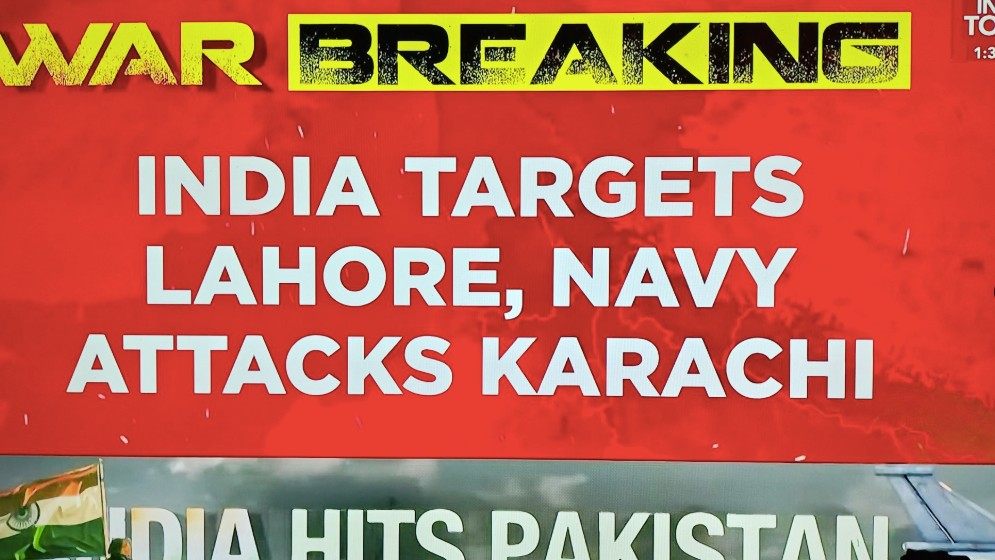
Indian Media Propagates False Reports of Attacks on Pakistani Targets, Sparking Disinformation Concerns and International Ridicule
In a concerning escalation of misinformation, several prominent Indian media outlets disseminated fabricated reports and manipulated video footage purporting to show Indian military strikes against the Port of Karachi and other Pakistani targets. This disinformation campaign, which unfolded on Thursday night, quickly gained traction online, fueled by nationalistic fervor and celebratory reactions from a segment of the Indian populace. News channels like Aaj Tak, India Today, Zee News, and Business Today, among others, broadcast the unverified footage, presenting it as evidence of successful attacks. This deluge of false information rapidly spread through social media, further amplifying the misleading narrative. Comparisons were even drawn to Operation Trident, a 1971 Indian naval offensive against Karachi, adding a historical dimension to the fabricated claims.
The misinformation campaign extended beyond the purported attack on the Port of Karachi. Allegations circulated claiming the Indian Navy had captured Islamabad and apprehended Pakistan’s Chief of Army Staff, General Asim Munir. Some Indian media reports went so far as to falsely report Munir’s arrest and the onset of a coup in Pakistan. These unsubstantiated claims contributed to a climate of confusion and amplified the already tense atmosphere between the two nuclear-armed neighbors. The rapid spread of these fabricated stories underscores the power of misinformation in the digital age and the potential for such narratives to escalate tensions and incite conflict.
Despite the initial chaos and confusion, the truth gradually emerged, exposing the Indian media’s disinformation campaign. The Karachi Port Authority, after initially appearing to confirm the attack, clarified that its official X (formerly Twitter) account had been hacked and categorically denied any damage to the port. Independent fact-checking efforts by organizations like Outlook India, combined with eyewitness accounts and social media posts from Karachi residents, further debunked the fabricated videos and images. One widely circulated image, purportedly showing the aftermath of the attack on Karachi, was traced back to a 2020 BBC report on Gaza, highlighting the blatant manipulation employed in this disinformation campaign.
The fallout from this incident has been significant, drawing widespread condemnation and ridicule both within India and internationally. Many Indian citizens expressed outrage and embarrassment at the media’s irresponsible reporting, recognizing the damage it inflicted on India’s credibility. Social media users lamented the spread of "Bollywood-level propaganda" and the "global joke" India had become. The incident has sparked a crucial conversation about the role of media responsibility and the urgent need to combat the spread of disinformation, particularly in the context of sensitive geopolitical situations.
The false reports emerge amidst a backdrop of heightened tensions between India and Pakistan, following a deadly attack on civilians in Indian-administered Kashmir in April. India responded with airstrikes inside Pakistan, claiming to target "terrorists" responsible for the attack. Pakistan retaliated, claiming to have downed Indian aircraft. The recent disinformation campaign adds another layer of complexity to the already strained relations between the two countries. The spread of false narratives and fabricated evidence only serves to exacerbate mistrust and increase the risk of escalation.
The propagation of this disinformation campaign raises serious questions about the ethical standards and journalistic integrity of the involved Indian media outlets. The incident also highlights the vulnerability of social media platforms to the rapid dissemination of misinformation, particularly when exploited by actors seeking to manipulate public opinion or escalate tensions. Moving forward, it is crucial for media organizations to prioritize accuracy and responsible reporting, especially in conflict zones. Similarly, social media platforms bear a responsibility to implement more robust mechanisms for identifying and removing false or misleading content. The incident serves as a stark reminder of the potential consequences of unchecked misinformation and the critical importance of media literacy in the digital age.