


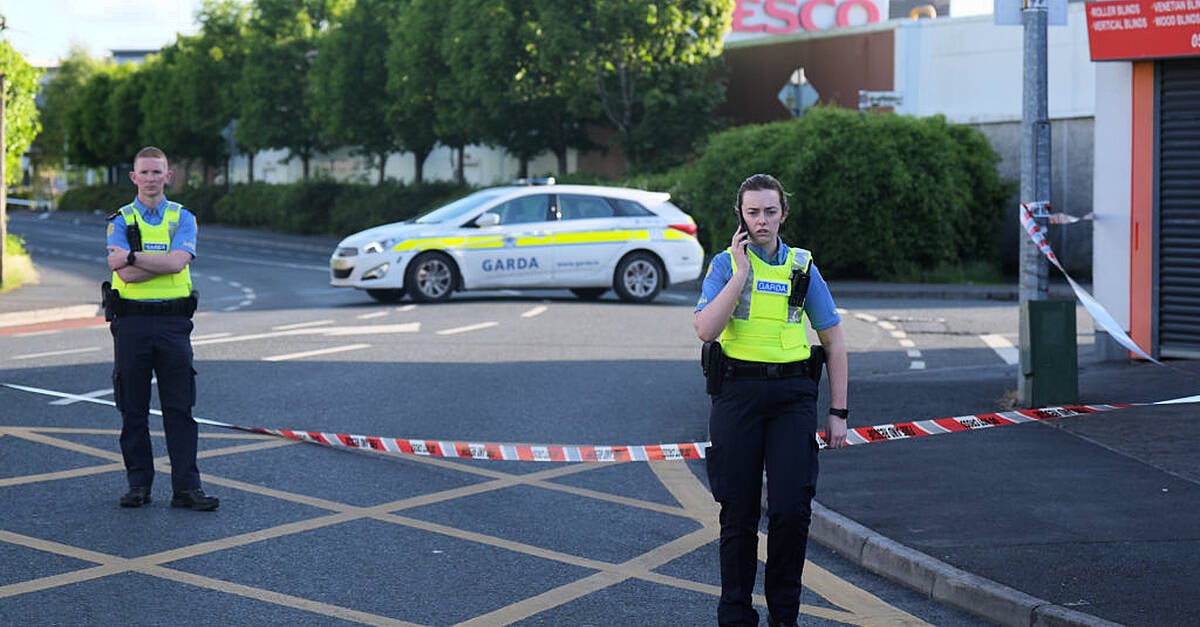
Carlow Shooting Incident Fuels Anti-Immigrant Disinformation Campaign
A recent shooting incident at a Carlow shopping centre tragically claimed the life of the 22-year-old gunman and resulted in a minor injury to a young girl. While authorities quickly confirmed the isolated nature of the incident and the identity of the perpetrator, social media became a breeding ground for misinformation and conspiracy theories, expertly manipulated by anti-immigrant activists. Within hours, false narratives of mass casualties and terrorist involvement spread like wildfire, demonstrating the alarming power of online echo chambers and the vulnerability of the public to fabricated news.
The speed and ferocity with which false information proliferated highlighted the role of social media algorithms in amplifying harmful content. These algorithms, designed to maximize engagement, often prioritize emotionally charged material, inadvertently creating a perfect storm for the spread of misinformation. Anti-immigrant figures capitalized on this phenomenon, exploiting the Carlow incident to disseminate their hateful rhetoric and further their political agendas. Their claims, though quickly debunked, gained significant traction, revealing the insidious nature of online disinformation campaigns and the difficulty in containing their spread.
The incident exposed a disturbing trend: the monetization of fear and division. Certain activists, often with large and engaged followings, actively solicit donations while peddling misinformation. This creates a perverse incentive structure where generating outrage and fear translates into financial gain. The Carlow shooting became yet another opportunity for these individuals to insert themselves into public discourse, pushing narratives that served their own interests while simultaneously undermining public trust and stoking societal anxieties. This symbiotic relationship between misinformation and monetization poses a significant threat to the integrity of online spaces and the well-being of communities.
Law enforcement agencies, faced with the rapid proliferation of false narratives, took the unusual step of issuing frequent updates to counter the misinformation. While this demonstrated a commitment to transparency and public safety, it also underscored the challenges faced by authorities in combating the spread of online falsehoods. The incident revealed the limitations of official channels in reaching those already entrenched in extremist echo chambers. Activists often interpret official statements as further evidence of a cover-up, twisting and distorting facts to fit their pre-existing worldview.
The Carlow incident also drew attention to the broader issue of far-right mobilization in Ireland. While still a minority, these groups leverage social media to amplify their voices and disseminate their ideology. The co-opting of national symbols, such as the Irish tricolour, is a common tactic employed to create a sense of legitimacy and appeal to a wider audience. This appropriation of national identity serves to mask the often extreme and imported nature of their views, linking them to a manufactured historical narrative that bears little resemblance to reality.
The incident in Carlow serves as a stark reminder of the urgent need for comprehensive action to address online misinformation and hate speech. Social media companies bear a significant responsibility in mitigating the harmful effects of their platforms. The removal of recommender systems, which often direct users towards extreme content, has been proposed as a potential solution, but the political will to implement such measures remains a significant hurdle. Furthermore, holding individuals accountable for spreading disinformation and inciting violence is crucial. The Carlow shooting, while not resulting in further physical violence, demonstrates the potential for online hate to spill over into the real world, with devastating consequences. The incident underscores the need for greater transparency and accountability from social media platforms, robust legal frameworks to address online hate, and continued public awareness campaigns to combat the spread of misinformation and protect vulnerable communities.