


West Texas Measles Outbreak Fuels Vitamin A Poisoning Crisis Amidst Medical Disinformation
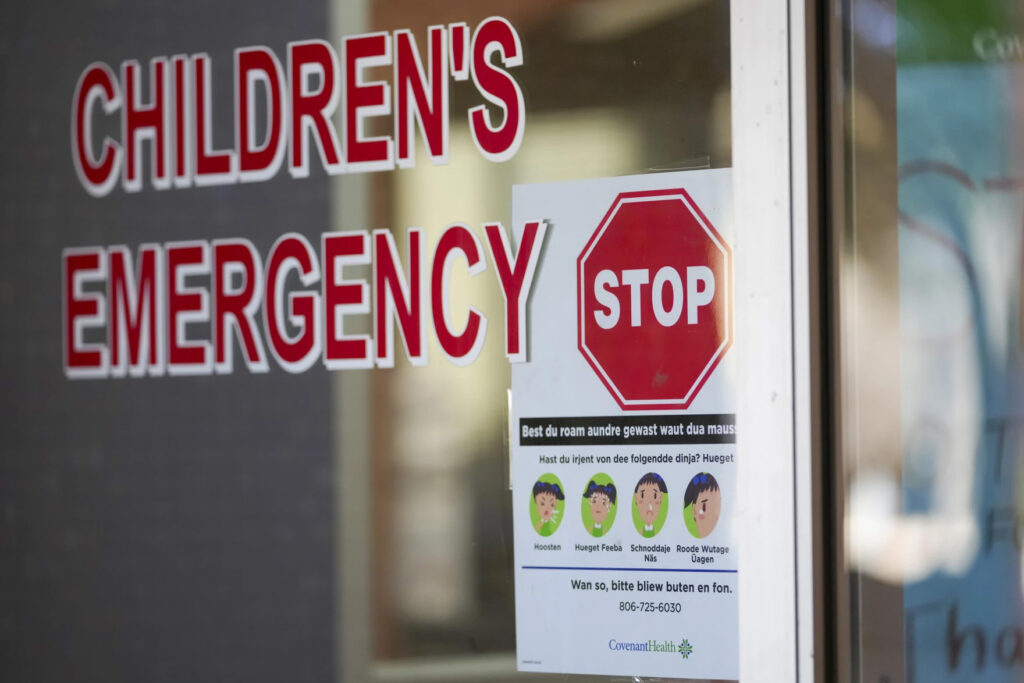
Odessa, TX – A measles outbreak in West Texas has taken a dangerous turn, as a wave of vitamin A poisoning cases in children emerges, linked to the spread of medical disinformation. The outbreak, initially centered in Ector County, has rapidly spread across the Permian Basin, affecting primarily unvaccinated children. While public health officials grapple with containing the measles virus itself, a new battle has begun against the potentially life-threatening consequences of misguided advice circulating online and within certain communities. Parents, fearful of the measles virus and swayed by misleading information downplaying the effectiveness of vaccines and promoting unsubstantiated treatments, have been administering excessive doses of vitamin A to their children, leading to serious health complications.
The rise in vitamin A toxicity cases presents a double burden on the already strained healthcare system in the region. Medical Resources Hospital in Odessa has reported a significant increase in pediatric admissions related to vitamin A overdose, with symptoms ranging from nausea and vomiting to more severe complications like liver damage, increased intracranial pressure, and even coma. Doctors are working tirelessly to treat these children, while simultaneously managing the influx of measles patients. The situation has become so dire that the hospital has had to postpone elective surgeries and reassign staff to handle the surge in emergency cases. This crisis underscores the critical need for accurate and evidence-based information, as well as the dangers of relying on unverified sources, particularly during a public health emergency.
The disinformation campaign fueling the vitamin A crisis appears to be multifaceted, spreading through social media, private messaging groups, and even some community leaders. False claims about the dangers of vaccines, coupled with the promotion of vitamin A as a miracle cure or preventative measure for measles, have taken root in pockets of the community, creating a climate of distrust towards established medical science. This distrust has led parents to reject vaccinations for their children and, in some cases, to administer dangerously high doses of vitamin A, believing it to be a safe and effective alternative. The situation is a stark reminder of the power of misinformation and the vulnerability of communities to its influence, particularly when fear and uncertainty are prevalent.
Public health officials are scrambling to counteract the misinformation and educate the public about the dangers of vitamin A toxicity. They are emphasizing that while vitamin A can be beneficial for children with measles in certain specific circumstances and under the guidance of a medical professional, excessive doses can be highly toxic. They are also reiterating the importance of measles vaccination as the safest and most effective way to protect children from the disease. Community outreach programs, town hall meetings, and partnerships with local organizations are being implemented to disseminate accurate information and rebuild trust in evidence-based medicine. However, the fight against disinformation proves challenging, as it often preys on existing anxieties and thrives in online echo chambers where unsubstantiated claims are amplified and reinforced.
The long-term consequences of this disinformation-fueled crisis extend beyond the immediate health impacts. The erosion of trust in public health institutions and medical expertise could have lasting repercussions on the community’s ability to respond effectively to future health challenges. Moreover, the spread of preventable diseases like measles poses a threat not just to the unvaccinated individuals but also to vulnerable populations who cannot be vaccinated for medical reasons, such as infants and individuals with compromised immune systems. This outbreak highlights the urgent need for stronger mechanisms to combat the spread of medical disinformation and to promote media literacy, empowering individuals to critically evaluate information and make informed decisions about their health.
The West Texas measles outbreak and the accompanying vitamin A poisoning crisis serve as a cautionary tale about the dangers of medical disinformation in the digital age. It demonstrates how quickly misleading information can spread and the devastating real-world consequences that can ensue. This situation underscores the need for a multi-pronged approach involving public health officials, healthcare providers, social media platforms, and communities to combat the spread of misinformation and promote informed decision-making. Furthermore, it highlights the critical importance of investing in public health infrastructure and strengthening community engagement to ensure that accurate information reaches those who need it most and that trust in evidence-based medicine is restored. Addressing this complex challenge requires a collaborative effort to protect public health and safeguard the well-being of communities.