


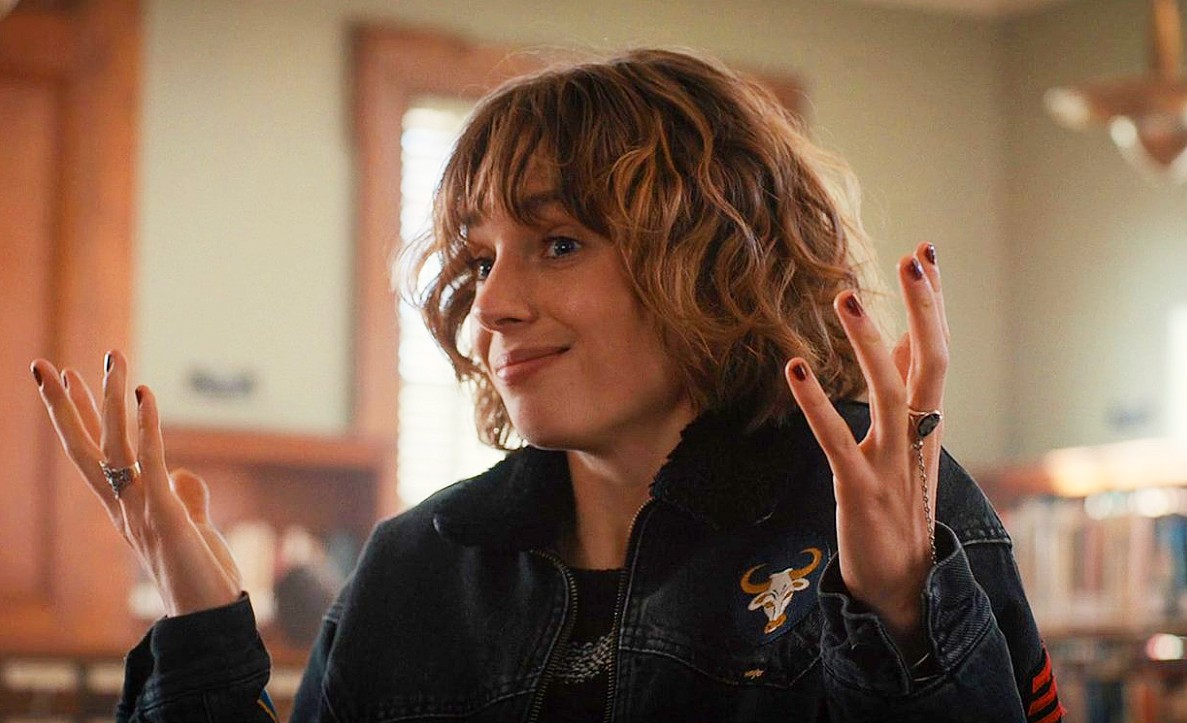
The Double-Edged Sword of Social Media Influence in Hollywood Casting
Social media’s impact on Hollywood has been profound, transforming everything from marketing and distribution to the very fabric of talent discovery and career trajectory. While the digital age has undoubtedly democratized certain aspects of the entertainment industry, it has also introduced a new set of challenges, particularly for emerging actors navigating the complex landscape of casting and career advancement. A recent conversation with rising star Maya Hawke has shed light on a concerning trend: the increasing emphasis on social media follower counts as a key metric in casting decisions. This development raises important questions about the prioritization of online influence over talent and experience, potentially hindering the prospects of promising newcomers who choose to maintain a healthy distance from the often-toxic world of social media.
Hawke’s account of conversations with industry professionals reveals a troubling reality: casting decisions are increasingly being influenced by the collective social media reach of potential cast members. This emphasis on online metrics can lead to a skewed perception of talent, where actors with large followings are prioritized over those with less online visibility, regardless of their acting abilities. As Hawke points out, some producers even present directors with spreadsheets outlining the follower count requirements for cast members, creating a system where social media presence becomes a crucial factor in securing funding and greenlighting projects. This trend raises concerns about the potential for a vicious cycle, where actors are compelled to build and maintain extensive online followings simply to remain competitive, potentially diverting their focus from honing their craft and artistic development.
While the allure of a built-in audience through social media is understandable from a marketing perspective, the assumption that followers automatically translate into ticket sales or streaming numbers is a flawed one. Numerous examples of actors with massive online followings failing to draw audiences to their projects demonstrate the limitations of this metric as a predictor of success. The focus on follower counts ignores the multifaceted nature of audience engagement and the diverse factors that contribute to a project’s success, such as compelling storytelling, strong performances, and effective marketing campaigns. Equating online popularity with box office draw is a simplistic and potentially detrimental approach that risks overlooking truly talented individuals who may not prioritize social media engagement.
Furthermore, the pressure to maintain a significant social media presence can have a negative impact on the mental health and well-being of actors, particularly young women who are often subjected to heightened scrutiny and online harassment. Hawke’s decision to consider deleting her Instagram account reflects a growing sentiment among individuals seeking to protect their mental health and prioritize authentic human connection over the often-superficial world of online interactions. Penalizing actors for making such choices not only reinforces the unhealthy emphasis on social media but also potentially deprives the industry of fresh talent and diverse perspectives.
The rising influence of social media in casting decisions is just one manifestation of the broader technological shifts reshaping the entertainment landscape. The increasing prevalence of self-taping, where actors are expected to record and edit their own auditions, further compounds the challenges faced by emerging talent. This practice places an additional burden on actors, requiring them to invest in equipment and develop technical skills that may not be directly related to their craft. While self-taping offers some advantages in terms of accessibility and convenience, it also eliminates the opportunity for in-person interaction with casting directors and the chance to demonstrate their abilities in a professional setting.
The confluence of these technological trends – the emphasis on social media followings and the rise of self-taping – creates a new set of hurdles for aspiring actors to overcome. These practices can contribute to a form of gatekeeping that disproportionately impacts those who are less connected, lack access to resources, or prioritize their well-being over relentless self-promotion. The industry risks losing out on a wealth of talent if it continues to prioritize online metrics over genuine artistic ability and human connection.
In conclusion, the increasing reliance on social media follower counts in casting decisions reflects a concerning trend in the entertainment industry. While social media can be a valuable tool for marketing and engagement, prioritizing online influence over talent and experience risks creating a homogenous and potentially less vibrant artistic landscape. It is crucial for the industry to recognize the limitations of social media metrics and prioritize the development and support of talented individuals, regardless of their online presence. By embracing a more holistic approach to talent identification and development, Hollywood can ensure a future where artistic merit and authentic storytelling remain at the forefront, rather than a superficial pursuit of online popularity.