


Philippine Democracy Under Siege: Disinformation Threatens 2025 Midterm Elections
The looming 2025 midterm elections in the Philippines are facing a growing threat of disinformation campaigns orchestrated through fake social media accounts, raising concerns from House of Representatives leaders about the integrity of the democratic process. This digital assault, characterized by coordinated networks of bots, sock puppets, and paid influencers, aims to manipulate public opinion and potentially sway election outcomes. The proliferation of fabricated pro-Duterte narratives, particularly concerning his potential arrest by the International Criminal Court (ICC), highlights the vulnerability of the online sphere to malicious actors seeking to undermine public trust and sow discord.
A recent Reuters report, based on research conducted by disinformation watchdog Cyabra, revealed a disturbing landscape of online manipulation. Nearly one-third of X (formerly Twitter) accounts engaged in discussions surrounding Duterte and the ICC were identified as fake. Furthermore, the research indicated that a staggering 45% of online conversations pertaining to the upcoming elections are driven by inauthentic actors, including bots, sock puppets, avatars, and paid influencers. This alarming statistic underscores the extent to which digital platforms are being weaponized to disseminate propaganda and manipulate public discourse.
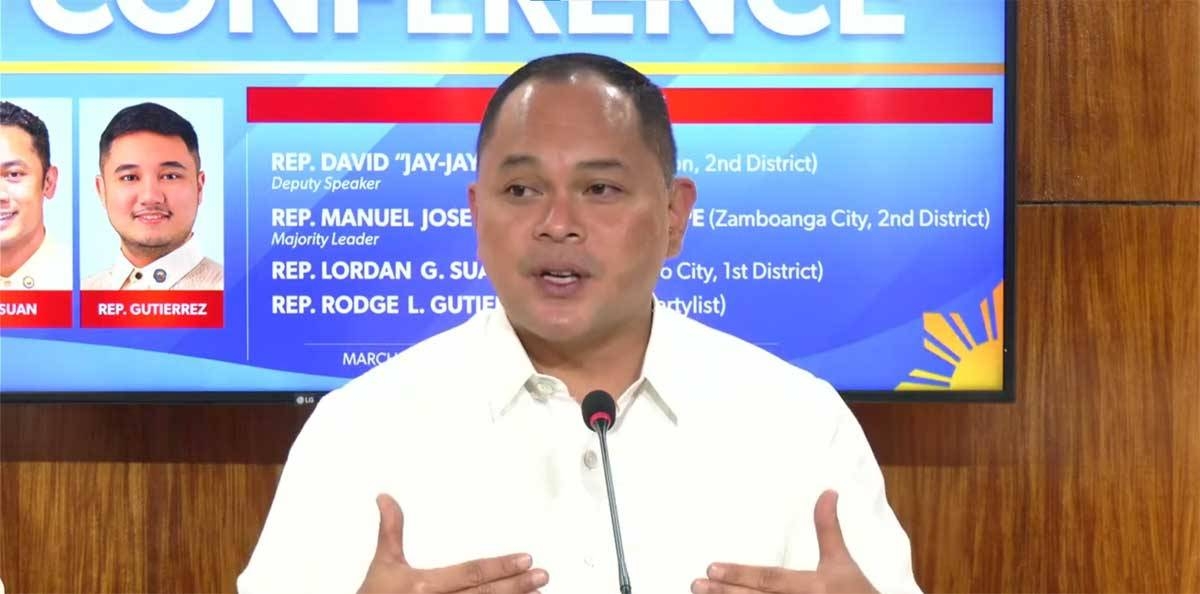
House leaders have expressed grave concerns about the implications of this digital warfare for Philippine democracy. Deputy Speaker David Suarez likened the situation to a battle for the "hearts and minds of millions of Filipinos," emphasizing the insidious nature of disinformation campaigns. The deceptive tactics employed, including fake praise, fabricated news, and coordinated inauthentic accounts, make it difficult for ordinary citizens to discern truth from falsehood. Suarez stressed the urgent need for social media platforms like Meta, X, and YouTube to take proactive measures to identify and remove these coordinated fake accounts, asserting that they possess the necessary tools and bear the responsibility to safeguard the integrity of online spaces.
Senior Deputy Speaker Aurelio Gonzales echoed these concerns, highlighting the increasing sophistication of digital deception and its potential to undermine the electoral process. He called for a national digital literacy campaign, spearheaded by the Department of Education, Commission on Higher Education, and the Department of Information and Communications Technology, to equip citizens with the skills to identify and resist online manipulation. Gonzales emphasized the importance of proactive measures, arguing that fact-checking alone is insufficient to counter the pervasive nature of disinformation. He advocated for a preventative approach, akin to "inoculating" the public, particularly the youth, against the insidious influence of online propaganda.
The national digital literacy campaign envisioned by Gonzales would focus on empowering students and the general public to critically evaluate online information and recognize the hallmarks of disinformation. This initiative aims to cultivate a more discerning online citizenry capable of navigating the complex digital landscape and resisting manipulative tactics. By fostering critical thinking skills and media literacy, the campaign seeks to bolster resilience against the pervasive influence of online propaganda and safeguard the integrity of democratic processes.
Gonzales also issued a direct challenge to political parties, urging them to reject the use of digital "click armies" and paid online influencers. He characterized disinformation as a threat to free and fair elections, emphasizing that it undermines informed choice and erodes public trust. Gonzales underscored the importance of upholding democratic principles and engaging in ethical campaigning, calling on all stakeholders to prioritize the integrity of the electoral process over manipulative tactics. He framed the fight against disinformation as a collective responsibility, essential for preserving the foundations of Philippine democracy.