


The Pervasive Influence of Social Media on Latino Youth and Parental Concerns: A Call for Action
The digital age has ushered in unprecedented changes in how we communicate, access information, and interact with the world. Social media platforms have become integral to our daily lives, particularly for adolescents and pre-teens. While these platforms offer opportunities for connection and information sharing, their pervasive influence has raised significant concerns about the potential negative impacts on youth mental health. This concern is particularly acute within the Latino community, where social media usage is notably high and access to mental health services remains a challenge. A recent survey commissioned by the Omidyar Network sheds light on the extent of social media use among Latino youth, parental perceptions of its impact, and their strong support for policy interventions to mitigate potential harms.
The Parents of Latino Youth Social Media and Mental Health Survey reveals that social media use is widespread among Latino pre-teens and teenagers. A significant majority (71%) of Latino parents report that their children aged 10-18 use social media, with usage peaking among older teens (15-18) at 81%. Furthermore, the frequency of use is alarming, with 71% of these youth using social media for several hours daily or almost constantly. This high level of engagement raises red flags, given the established link between excessive screen time and negative mental health outcomes, including depression, anxiety, and sleep disturbances. The survey findings underscore the urgency of addressing the potential mental health risks associated with social media use among Latino youth.
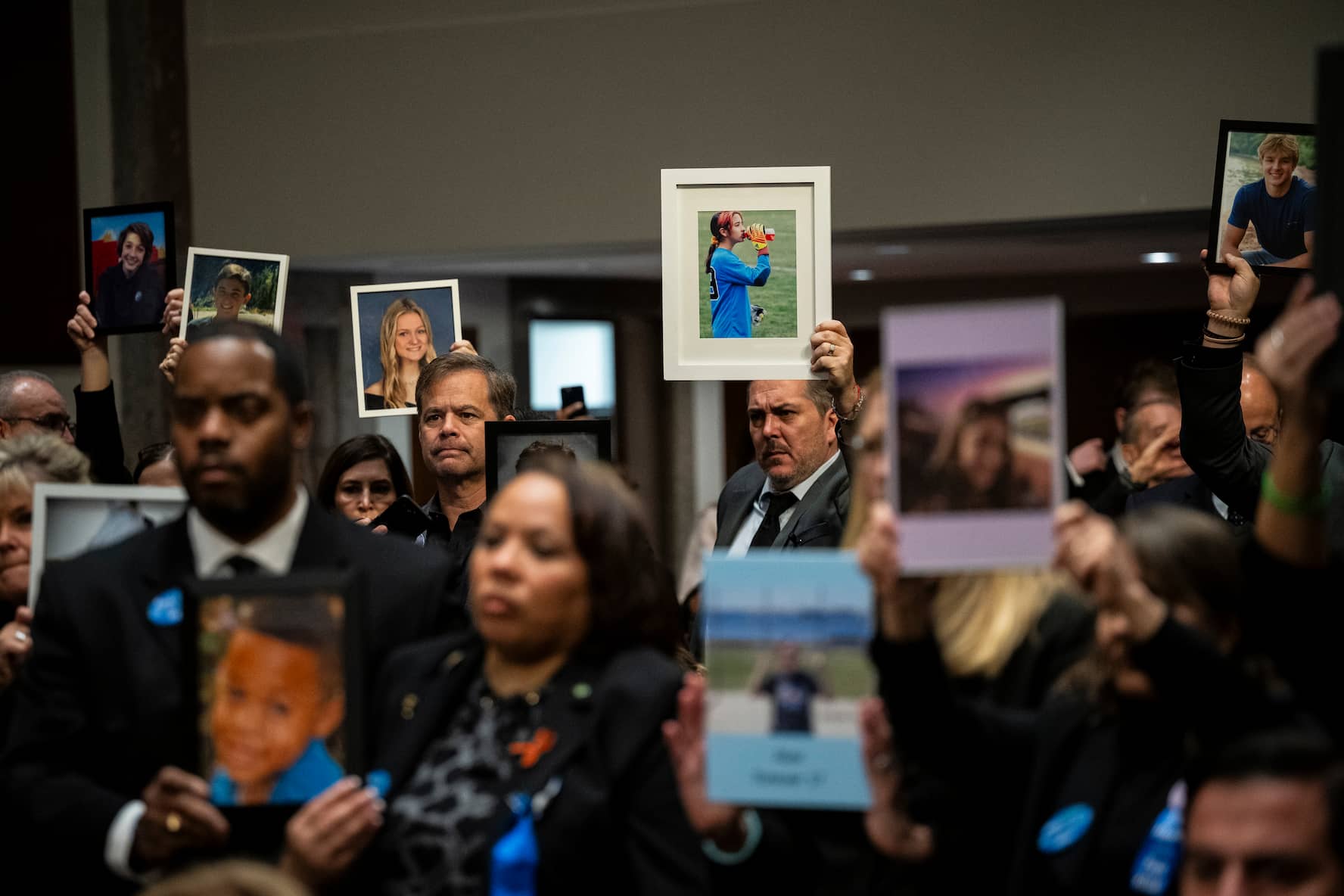
Latino parents are acutely aware of the potential negative impact of social media on their children’s mental health. A significant portion express deep concern, with 44% extremely concerned and 27% moderately concerned. This heightened awareness is not surprising, considering the Surgeon General’s 2023 Advisory highlighting the potential detrimental effects of social media on youth mental well-being. This advisory, coupled with Congressional hearings pressing social media executives for stronger child protection measures, reflects growing public health anxieties regarding this issue. For Latino families, these concerns are compounded by the existing disparities in access to mental health services, making them particularly vulnerable to the adverse consequences of excessive social media use.
The Omidyar survey demonstrates the effectiveness of targeted information campaigns in motivating parental action. When presented with factual information regarding the Surgeon General’s warnings about social media’s negative impacts, a significant majority (76%) of Latino parents expressed increased likelihood of taking action, such as limiting or monitoring their children’s social media use. This finding highlights the receptiveness of Latino parents to evidence-based messaging and underscores the potential for well-crafted public health campaigns to empower parents in protecting their children’s mental well-being in the digital age. This receptivity to factual information offers a promising avenue for advocacy organizations to design targeted outreach programs that resonate with Latino families and encourage responsible social media practices.
The survey also reveals overwhelming support among Latino parents for policy interventions aimed at safeguarding children from the potential harms of social media. An overwhelming majority (97%) support strengthening safety standards for social media platforms, including enhanced privacy protections for children. Similarly, a strong majority (94%) favor requiring technology companies to conduct thorough assessments of their products’ impact on children and implement age restrictions for social media use. Furthermore, 93% support incorporating digital and social media literacy into school curricula to equip children with the knowledge and skills to navigate the digital landscape safely and responsibly. The strong bipartisan support for these measures underscores the urgency and importance of addressing this issue at the policy level.
The findings of the Omidyar survey paint a clear picture: Latino pre-teens and adolescents are deeply engaged with social media, and their parents are acutely aware of the potential consequences for their children’s mental health. This awareness, coupled with strong support for policy interventions, creates a powerful mandate for action. Policymakers, social media companies, and advocacy organizations must work collaboratively to address the concerns of Latino families and create a safer digital environment for children. Congressional initiatives like the Kids Online Safety Act and the Protecting Kids on Social Media Act, which aim to increase platform accountability and implement age restrictions, align with the desires of Latino parents for greater protections for their children online. The bipartisan nature of this concern presents a unique opportunity to enact meaningful change and protect the mental well-being of a generation growing up in the digital age. Further research and targeted interventions are crucial to bridge the gap in mental health services for Latino youth and ensure their healthy development in an increasingly digital world.