


Russia Declares Unilateral Ceasefire for Victory Day Amid Ukrainian Skepticism and Calls for Lasting Peace
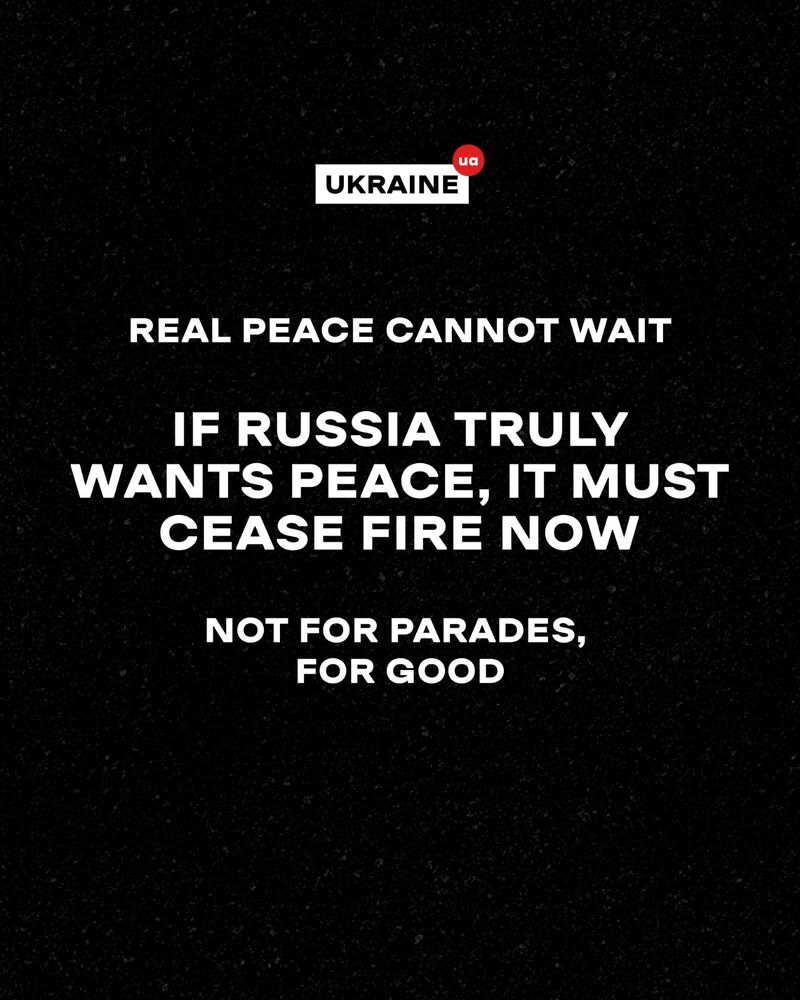
Russia has declared a 72-hour unilateral ceasefire in Ukraine to coincide with its Victory Day celebrations on May 9th, marking the anniversary of the Soviet Union’s victory over Nazi Germany in World War II. The ceasefire, set to begin at midnight on May 7th and end at midnight on May 10th, comes amid intensified pressure from the United States for a complete cessation of hostilities. However, Ukraine has responded with skepticism, questioning the sincerity of the gesture and emphasizing the need for a genuine and sustained peace rather than a symbolic pause for a parade. Ukrainian officials, including Foreign Minister Andrii Sybiha and Presidential advisor Andriy Yermak, have called for an immediate, unconditional ceasefire lasting at least 30 days as a foundation for meaningful diplomatic negotiations. They have questioned the timing of the Russian proposal, suggesting that a genuine commitment to peace should not be contingent upon a holiday. The contrasting approaches underscore the deep mistrust and divergent priorities of the two sides, casting doubt on the prospects for a lasting resolution to the conflict.
Underlying Motives and Strategic Implications of Russia’s Ceasefire Declaration
The timing and brevity of Russia’s proposed ceasefire have fueled speculation about its underlying motives. Some analysts suggest that the move may be a thinly veiled attempt to deflect international pressure and project an image of goodwill, particularly as Russia faces increasing scrutiny for its ongoing aggression in Ukraine. The Kremlin may also be seeking to bolster domestic support and national unity by associating the ceasefire with the emotionally charged Victory Day celebrations. Furthermore, the limited duration of the ceasefire raises concerns that it could be a tactical maneuver to regroup and resupply Russian forces before resuming offensive operations. Ukraine’s insistence on a longer and more comprehensive ceasefire reflects its understanding of these potential strategic calculations, as well as its desire for a genuine path towards de-escalation and a negotiated settlement. The stark contrast between the two sides’ positions highlights the significant challenges in bridging the gap and achieving a durable peace.
Ukraine’s Continued Pursuit of Comprehensive Ceasefire and Lasting Peace in Alignment with US Proposals
While Russia has declared its unilateral ceasefire, Ukraine continues to advocate for a broader and more permanent cessation of hostilities, aligning its position with proposals put forth by the United States. Ukrainian President Volodymyr Zelenskyy has expressed support for a full ceasefire, including a halt to strikes on civilian infrastructure, and has reiterated calls for an immediate and unconditional truce lasting at least 30 days. This position reflects Ukraine’s commitment to finding a sustainable solution to the conflict and its belief that a genuine ceasefire is a necessary precondition for meaningful diplomatic engagement. The discrepancy between Russia’s limited ceasefire offer and Ukraine’s broader aspirations highlights the fundamental differences in their approach to resolving the conflict and raises questions about the feasibility of achieving a mutually agreeable path towards peace.
Russia’s Broader Ambitions and Pursuit of Geopolitical Reordering Beyond Ceasefire
Beyond the immediate ceasefire proposal, Russia’s strategic objectives appear to extend beyond a mere cessation of hostilities. The Kremlin is reportedly seeking a broader geopolitical reordering, aiming for recognition of its influence in the post-Soviet space, including Ukraine, and potentially even a degree of acknowledgment of its sway in Europe. This ambitious goal suggests that Russia’s engagement in ceasefire discussions may be part of a larger strategy to secure concessions and advance its geopolitical agenda. Sources suggest that Russia is exploring various incentives to entice the United States, potentially including access to rare earth minerals, geopolitical leverage in regions like Iran and North Korea, and even symbolic gestures like a presidential visit to Washington. These aspirations underscore the complexity of the negotiations and the potential for a protracted and multifaceted diplomatic process.
Ongoing Conflict and International Dynamics Amid Ceasefire Proposals
Despite the discussions surrounding a ceasefire, the conflict in Ukraine continues, with reports of ongoing military operations and drone strikes. The Ukrainian Air Force reported intercepting and jamming numerous Russian drones, while reports of combat engagements and artillery shelling persist. Furthermore, international involvement in the conflict continues to evolve, with reports of North Korean troops fighting alongside Russian forces, a development met with alarm by the United States. These ongoing developments underscore the volatile nature of the situation and the challenges in achieving a stable and lasting ceasefire. The complex interplay of military actions, diplomatic efforts, and international alliances highlights the precarious balance of power and the urgent need for a negotiated resolution.
Divergent Perspectives and Challenges in Achieving a Lasting Peace in Ukraine
The contrasting approaches to a ceasefire, Russia’s broader geopolitical ambitions, and the ongoing military activities underline the significant challenges in achieving a lasting peace in Ukraine. The deep mistrust between the warring parties, coupled with the divergent goals and interpretations of the situation, makes a negotiated settlement particularly difficult. While Ukraine seeks a comprehensive ceasefire and a pathway to restoring its territorial integrity, Russia appears to be pursuing a broader strategic agenda that involves reshaping the regional order. These conflicting objectives create a significant hurdle for diplomatic efforts and raise questions about the feasibility of a mutually acceptable outcome. The international community’s role in mediating the conflict and facilitating dialogue will be crucial in navigating these complex dynamics and working towards a peaceful resolution.