


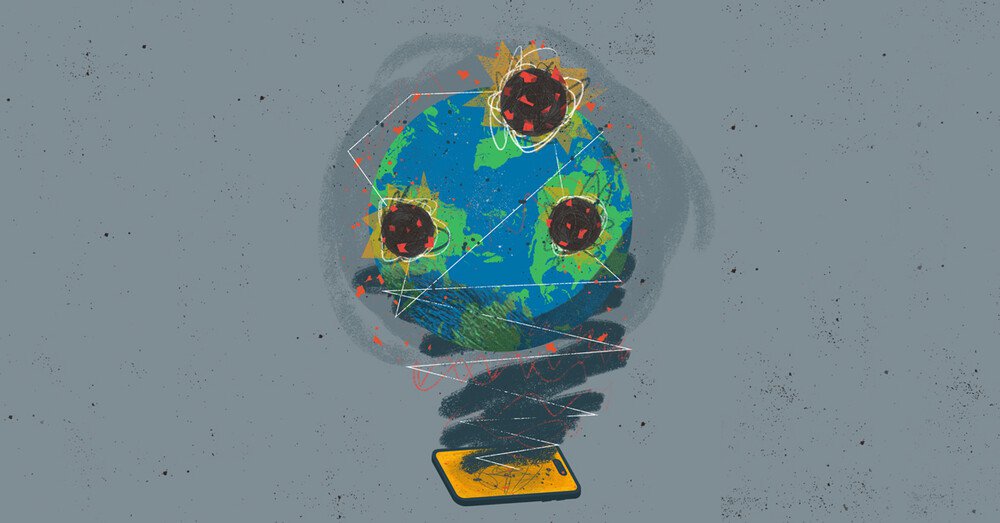
Meta’s CrowdTangle Removal Fuels Concerns Over Disinformation Amidst Rising AI Threat
The removal of CrowdTangle, a crucial social media analytics tool, by Meta Platforms, has sparked widespread concern among researchers and digital rights advocates, particularly in light of the escalating threat of AI-driven disinformation campaigns targeting critical areas like elections and climate change. CrowdTangle provided valuable insights into the spread of information, including misinformation and disinformation, across social media platforms. Its demise leaves a significant void in the arsenal of tools available to researchers, journalists, and civil society organizations working to combat the manipulation of online narratives. The timing of this removal is particularly troubling, given the rapid advancements in artificial intelligence, which possess the potential to supercharge the creation and dissemination of highly sophisticated and persuasive disinformation campaigns. This convergence of factors creates a perfect storm, raising serious questions about the future of online integrity and the ability to hold powerful platforms accountable.
The Digital Services Act (DSA), enacted by the European Union, offers a glimmer of hope in this challenging landscape. The DSA mandates that large online platforms, including Meta, provide access to their data to vetted researchers. This regulation represents a crucial step towards enforcing meaningful transparency and accountability within the tech industry. It empowers researchers to independently scrutinize the inner workings of these platforms, identify potential vulnerabilities to manipulation, and hold the platforms responsible for addressing harmful content. The DSA serves as a vital precedent, demonstrating that regulators have the power and the will to intervene and demand greater transparency from these powerful entities.
Brandon Silverman, co-founder of CrowdTangle, echoes the sentiment of cautious optimism. He expresses the hope that the legacy of CrowdTangle will be to inspire the development of permanent regulations that guarantee real-time access to public data as a legal requirement. Silverman envisions a future where such access becomes an integral part of responsible and collaborative internet governance. This vision aligns with the growing recognition that robust data access is not merely desirable, but essential for safeguarding democratic processes, protecting public health, and ensuring the integrity of online information ecosystems.
However, significant challenges remain, particularly for researchers operating outside the protective umbrella of the EU’s DSA. Researchers in the Global South, who often face resource constraints and limited access to essential tools, are particularly vulnerable to the impact of CrowdTangle’s removal. They have expressed concerns about the increasing difficulty of studying online discourse and monitoring the spread of misinformation and disinformation within their regions. This disparity in access to critical data further exacerbates existing inequalities and creates an uneven playing field in the fight against online manipulation.
The removal of CrowdTangle also underscores the need for researchers to develop alternative strategies and methodologies. Organizations like Global Witness, which are committed to exposing digital threats and advocating for change, have been compelled to innovate and create new tools to navigate the increasingly restrictive data access landscape. This adaptation requires significant investment in resources and expertise, highlighting the burden placed on civil society organizations by the opacity of large online platforms.
The current situation surrounding data access and the fight against online disinformation represents a critical juncture. As AI technology continues to advance at a rapid pace, the potential for its misuse in manipulating public opinion and undermining democratic processes grows exponentially. The removal of tools like CrowdTangle, coupled with restricted data access, creates a more precarious environment for researchers and watchdog organizations working to expose and counter these threats. The need for robust regulatory frameworks, like the DSA, and continued investment in independent research and monitoring capabilities has never been more urgent. The future of online integrity, and indeed the health of our democracies, depends on the ability to hold powerful platforms accountable and ensure transparency in the digital realm.