


The Shadow of Social Media: A Darkening Stain on the Lake District’s Beauty
The idyllic landscapes of the Lake District, a haven for nature lovers and a source of inspiration for generations, are facing a growing threat fueled by the pervasive influence of social media. The Easter weekend of 2024 witnessed a surge in irresponsible behavior, including littering, fly-camping, and the reckless burning of fires, leaving a trail of destruction that has sparked outrage among local residents and conservationists alike. Fi Kennedy, a 49-year-old photographer residing near Ullswater, documented the alarming aftermath of the holiday weekend, capturing images of scorched earth, abandoned campsites, and scattered debris along the shorelines. Her photographs serve as a stark reminder of the environmental damage wrought by a rising tide of disrespectful visitors.
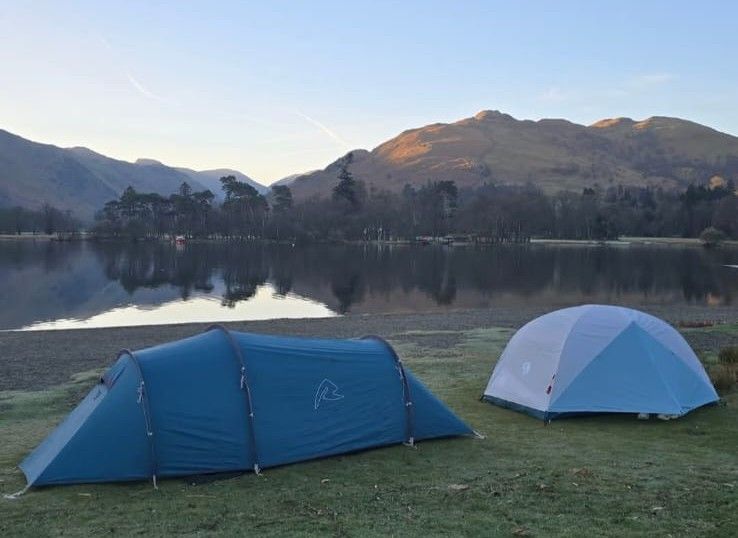
Ms. Kennedy, who has cherished the Lake District since childhood, expressed her dismay at the escalating problem. "It’s the worst I’ve seen it after Easter," she lamented, describing a scene of multiple burnt-out fires along Glencoyne Bay, including one actively burning near a tent pitched on Wordsworth Point. The incident prompted her to confront the campers, a couple who claimed ignorance of the park’s regulations against fires and camping. This encounter highlighted a recurring theme: visitors feigning unawareness of the rules despite clear signage. The increasing frequency of such incidents suggests a deliberate disregard for the environment, fueled by a sense of entitlement and the pursuit of social media-worthy photos.
The issue of fly-camping, a practice that violates the principles of responsible wild camping, has become increasingly prevalent in recent years, coinciding with the Lake District’s surge in popularity on social media platforms. Rangers tasked with protecting the park’s fragile ecosystem are struggling to keep pace with the influx of visitors and the resulting environmental damage. They describe their efforts as a constant game of "whack-a-mole," as they attempt to educate visitors and extinguish illegal fires, while simultaneously cleaning up the mess left behind by irresponsible campers. The strain on resources is evident, and the burden often falls upon local communities to shoulder the responsibility of maintaining the pristine beauty of their surroundings.
The allure of the Lake District’s picturesque scenery, amplified by social media’s reach, has drawn an unprecedented number of visitors, many of whom appear oblivious to the potential consequences of their actions. Campfires, seemingly harmless in isolation, pose a significant threat to the region’s unique ecosystem. The burning of peat, a highly flammable substance found in the park’s soil, can have devastating consequences, leaving lasting scars on the landscape and disrupting the delicate balance of the environment. The scorch marks left behind by these fires serve as a visible testament to the irreversible damage inflicted upon the land.
The current enforcement mechanisms in place appear inadequate to address the growing problem. Ms. Kennedy advocates for stronger powers for park rangers, enabling them to issue on-the-spot fines and effectively deter irresponsible behavior. While police presence is limited, and they often view such incidents as minor offenses, the cumulative impact of littering, fly-camping, and illegal fires is taking a significant toll on the Lake District’s natural beauty and the well-being of its local communities. The lack of consequences for these actions fosters a culture of impunity, encouraging further disregard for the park’s regulations.
Cumberland Council recently implemented a three-year public space protection order aimed at curbing fly-camping and empowering local authorities to issue fines. However, concerns remain about the effectiveness of such measures, especially given the absence of a similar order in neighboring Westmorland and Furness. The issue extends beyond environmental damage; fly-campers often bypass local campsites and businesses, depriving the community of valuable tourism revenue. This free-for-all mentality, coupled with the pursuit of idealized images for social media, creates a disconnect between the virtual portrayal of the Lake District and the harsh reality of its degraded environment. The focus on aesthetics overshadows the ethical responsibility of preserving these natural wonders for future generations. The need for a more comprehensive and coordinated approach involving education, enforcement, and a shift in public awareness is becoming increasingly urgent.