


Ukraine’s Information Battlefield: Countering Russia’s Disinformation Campaigns in 2025 and Beyond
The ongoing conflict between Russia and Ukraine extends far beyond the physical battleground, encompassing a complex and insidious information war. Russia, adhering to the Gerasimov Doctrine, employs a hybrid warfare strategy, blending kinetic military actions with a sophisticated non-kinetic information campaign. This approach leverages disinformation and propaganda to manipulate narratives, sow discord, and undermine Ukrainian unity. Understanding these tactics is crucial for effectively countering Russian influence and maintaining both domestic and international support for Ukraine.
One of Russia’s primary objectives is to delegitimize President Zelenskyy and the Ukrainian government. This campaign seeks to erode public trust, weaken international alliances, and create an internal political crisis. By spreading false narratives about the illegitimacy of Ukrainian leadership, Moscow aims to portray the government as unstable and unresponsive to the needs of its citizens. This tactic is expected to intensify in 2025, potentially leveraging upcoming negotiations and elections as opportunities to advance the Kremlin’s agenda. This narrative is countered by consistent polling data demonstrating strong public support for President Zelenskyy and his administration, particularly in the face of Russian aggression.
Further exacerbating internal divisions, Russia actively promotes the illusion of a rift between Ukraine’s military and political leadership. Fabricated stories and alleged insider accounts are disseminated through various channels, including obscure blogs and social media platforms. These narratives aim to portray a disunited front, suggesting internal disagreements about the war’s trajectory and potential peace negotiations. A recent example involved a dubious report from an anonymous Polish "expert" claiming internal conflicts within the Ukrainian government regarding ceasefire negotiations. Such tactics underscore the Kremlin’s reliance on misinformation and fabricated sources to foster distrust and sow confusion.
Adding to the complexity of the information war, Russia exploits ongoing negotiations between Ukraine and the United States, particularly those involving rare earth mineral agreements. The Kremlin seizes upon these discussions to propagate false narratives suggesting that Ukraine is willing to compromise its sovereignty and natural resources for personal gain. This disinformation campaign aims to further complicate these crucial negotiations and strain the vital relationship between Ukraine and the United States. The reality of the situation, however, is that Ukraine has clearly defined its "red lines" in these negotiations, prioritizing both financial fairness and equitable distribution of influence.
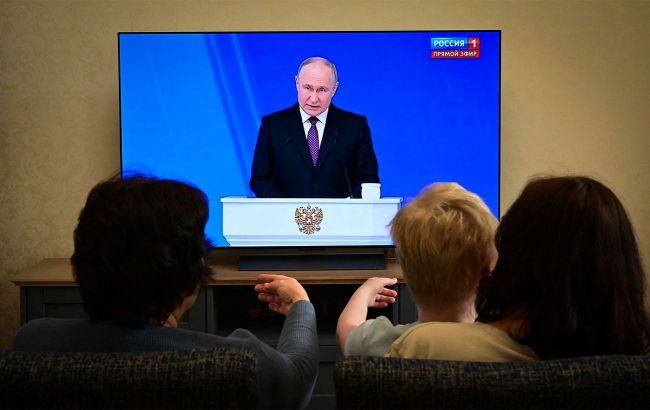
Another key element of Russia’s disinformation strategy involves accusing Ukraine of committing war crimes against its own people, particularly in occupied territories. This manipulative tactic aims to shift blame and portray Ukraine as the aggressor, undermining international sympathy and support. These accusations are often based on flimsy or fabricated evidence, yet they are consistently amplified through Russian state-controlled media and online networks. The Kremlin’s objective is to create a false equivalence between the actions of Ukrainian forces defending their country and the documented atrocities committed by Russian troops.
Russia’s disinformation campaign also targets Ukrainian cultural heritage and historical narratives. By distorting historical events, appropriating cultural symbols, and establishing false museums, the Kremlin seeks to undermine Ukraine’s national identity and sow confusion about its history and cultural heritage. This strategy aims to weaken Ukrainian national unity and create a sense of historical and cultural disorientation.
Countering this multifaceted disinformation campaign requires a proactive and comprehensive approach. Ukraine must actively expose and debunk false narratives while simultaneously promoting accurate and transparent information. This includes strengthening media literacy among citizens, supporting independent journalism, and fostering international collaboration to counter the spread of Russian propaganda. The challenge lies in maintaining a free and open information environment while simultaneously safeguarding against manipulation and disinformation. Ukraine’s success in this information war will be crucial not only for winning the current conflict but also for securing its long-term sovereignty and democratic future.
Key to understanding Russia’s strategy is the Gerasimov Doctrine, which emphasizes the importance of non-military means in achieving strategic objectives. Russia uses a 4:1 ratio of non-kinetic to kinetic action, highlighting the significance of information warfare in their overall strategy. This approach allows them to manipulate public opinion, sow discord, and undermine confidence in the Ukrainian government without resorting to direct military force. Recognizing this asymmetrical approach is essential for effectively countering Russian influence.
The information war against Ukraine is not isolated to specific events or negotiations. It is a continuous and evolving campaign that leverages a variety of tactics, including fabricated news reports, social media manipulation, and the exploitation of legitimate news platforms. Understanding the breadth and depth of this campaign, along with its underlying strategy, is crucial for effectively countering Russian influence and maintaining both domestic and international support for Ukraine. The ongoing struggle against disinformation underscores the critical importance of media literacy and the need for vigilance in the face of manipulated narratives.
Furthermore, the success of Russia’s disinformation campaigns relies on exploiting the very freedoms that Ukraine cherishes, such as freedom of speech and open access to information. This presents a significant challenge for Ukraine as it seeks to counter disinformation without compromising its democratic values. This complex situation requires a nuanced approach, balancing the need for free expression with the imperative to protect against malicious manipulation and foreign interference.
Ultimately, winning the information war is just as important as winning the military conflict for securing Ukraine’s future. By fostering media literacy, supporting independent journalism, and actively debunking false narratives, Ukraine can effectively counter Russian propaganda and strengthen its resilience against future disinformation campaigns. The ongoing struggle for truth and transparency is a vital component of Ukraine’s fight for self-determination and democratic sovereignty.