


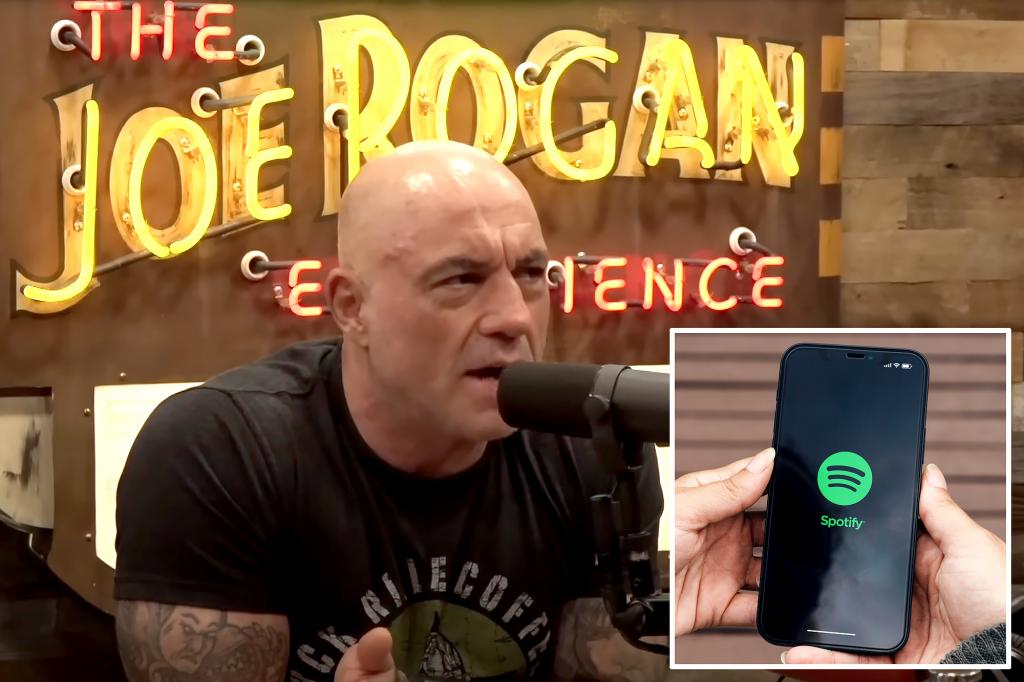
Joe Rogan Claims Two Former Presidents Intervened in Spotify COVID-19 Controversy, Sparking Renewed Debate on Misinformation and Censorship
In a recent podcast episode, Joe Rogan, the controversial host of "The Joe Rogan Experience," reignited the debate surrounding his discussions of COVID-19 on Spotify, alleging that two unnamed former presidents contacted the streaming giant regarding his content. This revelation adds another layer to the ongoing discourse about misinformation, censorship, and the role of tech platforms in regulating online speech. Rogan, who faced intense criticism in 2022 for hosting guests who expressed skepticism about COVID-19 vaccines and treatments, claims the experience was a "wake-up call" that exposed the "dirty business" of mainstream media.
The controversy initially erupted when prominent musician Neil Young pulled his music from Spotify in protest of Rogan’s platform, accusing the podcast of spreading misinformation. This sparked a wave of similar actions from other artists and put immense pressure on Spotify to address the situation. The White House, under then-Press Secretary Jen Psaki, even weighed in, urging platforms to "do more to call out misinformation while also uplifting accurate information." While stopping short of endorsing censorship, the administration’s comments highlighted the growing concern over the spread of dubious health information online. Spotify responded by implementing a policy to flag podcasts discussing COVID-19 with content advisories, a move Rogan now characterizes as a direct result of presidential intervention.
Rogan, however, maintains that the controversy ultimately boosted his listenership, claiming he gained two million subscribers in the aftermath. He attributes this growth to listeners appreciating his "reasonable" approach and willingness to "just ask questions." He also criticized the media’s portrayal of his personal use of Ivermectin to treat his own COVID-19 infection, arguing that they unfairly characterized it as a "horse dewormer" and ignored his rapid recovery. This narrative, he suggests, reflects a broader bias within the media landscape against dissenting voices and alternative perspectives.
The alleged involvement of two former presidents adds a significant political dimension to the controversy. While Rogan declined to name the individuals, the implication is that high-level political figures were actively engaged in discussions surrounding his podcast and its content. This raises questions about the extent to which political pressure influences platform policies and the potential for censorship of unpopular or controversial viewpoints. It also reinforces the perception among some that the debate surrounding COVID-19 has become increasingly politicized, with scientific discussions often intertwined with partisan agendas.
Rogan’s claims, while yet to be independently verified, have reignited the debate about the delicate balance between free speech and responsible content moderation. Supporters of Rogan argue that attempts to silence him represent a dangerous form of censorship and an infringement on his First Amendment rights. They maintain that open dialogue, even on controversial topics, is essential for a healthy democracy and that platforms should not be arbiters of truth. Critics, on the other hand, contend that Rogan’s platform has been used to spread misinformation that has potentially harmful consequences, particularly in the context of a public health crisis. They argue that platforms have a responsibility to protect their users from dangerous content and to promote accurate information.
The Spotify controversy highlights the complex challenges facing tech companies in the age of misinformation. These platforms are increasingly being called upon to act as gatekeepers of information, a role they are often ill-equipped to handle. The pressure to appease both sides of the political spectrum, while also maintaining profitability, creates a difficult balancing act. Spotify CEO Daniel Ek’s previous statements emphasizing the platform’s neutrality and reliance on expert input suggest a desire to avoid becoming entangled in content disputes. However, Rogan’s recent allegations indicate that these platforms are inevitably drawn into such controversies, regardless of their stated policies. The ongoing debate about the role of tech platforms in regulating online speech is likely to continue, with the Rogan-Spotify saga serving as a prominent case study in the complexities and challenges involved.