


Tech and Politics Collide: A Deep Dive into Disinformation, Censorship Claims, and Algorithmic Governance
The intersection of technology and politics continues to be a tumultuous landscape, with recent events highlighting ongoing debates surrounding disinformation, censorship, and the increasing influence of algorithms in shaping public discourse. From congressional probes into content moderation practices to innovative uses of AI in age verification, and the rise of politically charged rhetoric online, the digital sphere remains a battleground for competing ideologies and interests.
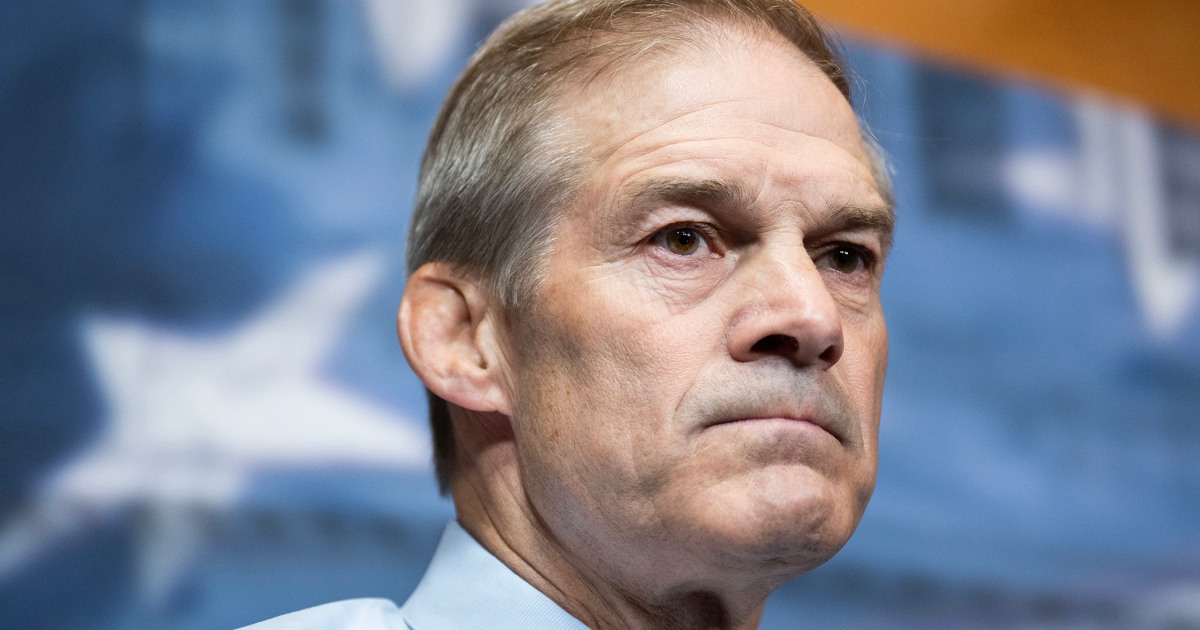
One of the most contentious battles is being waged over the issue of online disinformation. Republican Congressman Jim Jordan has launched an investigation into Spotify, accusing the platform of censoring conservative voices. Jordan’s probe centers on allegations of bias against figures like Joe Rogan and Steve Bannon, reigniting the long-standing debate over the role of tech companies in regulating online content. Republicans have consistently argued that Big Tech platforms are systematically silencing conservative viewpoints, while critics contend that these claims are often unfounded and serve to undermine efforts to combat the spread of harmful misinformation. Jordan’s investigation into Spotify is the latest salvo in this ongoing war, raising questions about the balance between free speech and the responsibility of platforms to curate content.
Meanwhile, the online world is witnessing the emergence of new political lexicon, with terms like “heritage American” gaining traction among far-right groups. This coded language reflects a growing emphasis on identity politics and the perceived threat to traditional values, further fueling the polarization of online communities. The rise of such rhetoric underscores the challenges of moderating online spaces while protecting free speech, raising concerns about the potential for these platforms to become echo chambers for extremist ideologies.
The influence of technology extends beyond content moderation, impacting even seemingly mundane aspects of digital life. Apple’s recent update to its messaging system, designed to filter unsolicited texts, has sparked unexpected controversy within the Republican party. The National Republican Senatorial Committee has expressed concerns that the update could hinder fundraising and voter outreach efforts, highlighting the increasing reliance of political campaigns on digital communication tools and the potential for technological changes to disrupt established strategies.
The power of algorithms is also being harnessed in new and innovative ways, as demonstrated by YouTube’s recent announcement to utilize AI for age verification. This move comes amid growing concerns about the platform’s impact on children and the need to enforce age restrictions on content. While YouTube’s initiative aims to enhance child safety online, it also raises questions about the potential for algorithmic bias and the implications of relying on AI to make decisions about access to information.
Government oversight of technology remains a priority for many lawmakers, as evidenced by a recent bill introduced by Senate Democrats seeking to audit federal agencies for potential cybersecurity vulnerabilities. This bill underscores the growing awareness of the risks associated with unauthorized access to government systems and the need for enhanced cybersecurity measures in an increasingly digital world.
The ongoing debate over the intersection of technology and politics also extends to the media landscape. A recent exchange between comedian Bassem Youssef and a group of MAGA influencers known as the “Nelk Boys” highlighted the growing trend of “idiot interviewers” who provide platforms for political figures without engaging in critical questioning. This trend raises concerns about the erosion of journalistic standards and the potential for these interviews to serve as propaganda vehicles, further blurring the lines between entertainment and information.
Finally, the devastating impact of technology on real-world conflicts is starkly illustrated by recent aerial photographs of Gaza, which reveal the widespread destruction caused by Israeli bombardment. These images serve as a sobering reminder of the human cost of conflict and the power of technology to document and disseminate information about unfolding events, raising crucial questions about accountability and the role of the international community in addressing these crises.
The Evolving Landscape of Online Discourse: Disinformation, Censorship, and Algorithmic Power
The digital realm continues to be a contested space, where debates about disinformation, censorship, and the increasing influence of algorithms play out on a global stage. The case of Jim Jordan’s investigation into Spotify exemplifies the ongoing struggle over content moderation practices, with accusations of bias against conservative voices fueling a broader debate about the role of tech companies in regulating online speech. This tension between free speech and the responsibility to combat misinformation remains a central challenge in the digital age.
The evolution of online language also reflects the changing political landscape, with terms like “heritage American” gaining traction among far-right groups. This coded language underscores the growing emphasis on identity politics and the potential for online platforms to become echo chambers for extremist ideologies. The rise of such rhetoric presents a significant challenge for content moderators, who must balance the need to protect free speech with the imperative to prevent the spread of harmful and divisive content.
Meanwhile, seemingly innocuous technological advancements, like Apple’s recent messaging update, can have unintended political consequences. The Republican party’s concern about the potential impact on fundraising and voter outreach efforts highlights the increasing reliance on digital tools in political campaigns and the potential for technological changes to disrupt established strategies.
The power of algorithms is also being harnessed in novel ways, as demonstrated by YouTube’s decision to utilize AI for age verification. This move underscores the growing concerns about the platform’s impact on children and the need for robust age restriction mechanisms. However, the reliance on AI also raises concerns about algorithmic bias and the potential for unintended consequences.
The need for government oversight of technology continues to be a pressing issue, as evidenced by the recent bill introduced by Senate Democrats seeking to audit federal agencies for cybersecurity vulnerabilities. This initiative highlights the growing awareness of the risks associated with unauthorized access to government systems and the urgent need for enhanced cybersecurity measures.
The media landscape is also undergoing a transformation, with the rise of “idiot interviewers” like the “Nelk Boys” raising concerns about declining journalistic standards and the potential for these platforms to become vehicles for propaganda. The blurring lines between entertainment and information pose a significant challenge to the integrity of public discourse.
Finally, the devastating impact of technology in real-world conflicts is starkly illustrated by the recent aerial photographs of Gaza. These images serve as a powerful reminder of the human cost of conflict and the importance of holding those responsible to account.
Navigating the Complexities of the Digital Age: Balancing Freedom of Speech, Content Moderation, and Algorithmic Governance
The convergence of technology and politics continues to reshape the global landscape, raising fundamental questions about freedom of speech, content moderation, and the growing influence of algorithms. The ongoing debate over disinformation and censorship is exemplified by Congressman Jim Jordan’s investigation into Spotify, which underscores the persistent tension between protecting online speech and combating the spread of harmful misinformation. This challenge becomes increasingly complex as online platforms grapple with the proliferation of extremist ideologies and coded language, such as the term “heritage American,” which has gained traction among far-right groups.
The impact of technology extends beyond content moderation, influencing even seemingly mundane aspects of digital life. The Republican party’s concern about Apple’s recent messaging update highlights the increasing reliance on digital tools in political campaigns and the potential for technological changes to disrupt established strategies. This underscores the delicate balance between innovation and the need for stability in critical areas like political communication.
Algorithms are also playing an increasingly prominent role in shaping online experiences, as demonstrated by YouTube’s use of AI for age verification. While such innovations offer potential benefits in terms of child safety, they raise concerns about algorithmic bias and the need for transparency in algorithmic decision-making.
Government oversight of technology remains a critical area of focus, with efforts to enhance cybersecurity and address potential vulnerabilities in government systems gaining momentum. The recent bill introduced by Senate Democrats underscores the growing awareness of the risks associated with unauthorized access to sensitive information and the need for robust cybersecurity measures.
The evolving media landscape also presents significant challenges, as the rise of “idiot interviewers” and the blurring lines between entertainment and information threaten the integrity of news and public discourse. The trend of providing platforms for political figures without engaging in critical questioning raises concerns about the erosion of journalistic standards and the potential for these platforms to become vehicles for propaganda.
Finally, the role of technology in documenting and disseminating information about conflicts remains a potent force, as evidenced by the recent aerial photographs of Gaza. These images serve as a stark reminder of the human cost of war and the importance of holding those responsible to account. The access to such information through technology underscores the power of digital platforms to amplify voices and raise awareness about critical issues.
(This summarizes the key points while expanding