




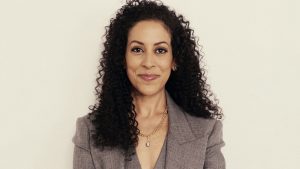



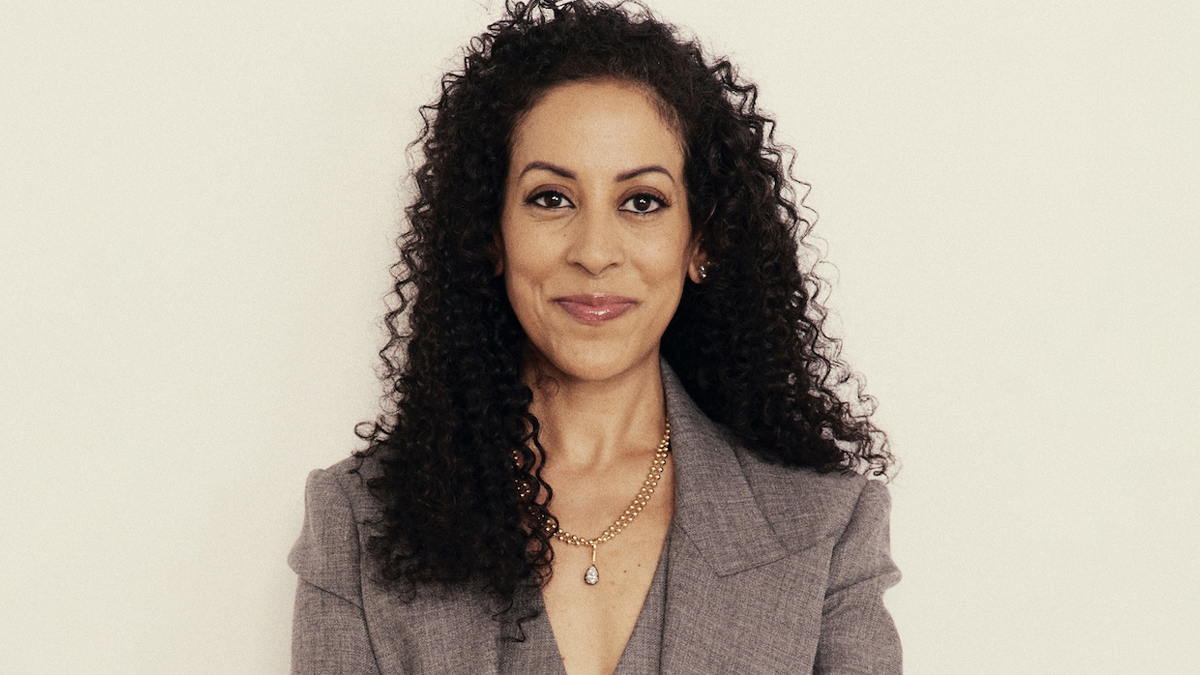
Jessica Malaty Rivera: The Epidemiologist Fighting Misinformation and Making Public Health Visible
When Jessica Malaty Rivera’s phone began lighting up with texts, calls, and emails during the earliest days of the COVID-19 pandemic, it was not a surprise to her. As an infectious disease epidemiologist with a master’s degree in emerging infectious diseases and years of experience in pandemic surveillance dating back to the early 2000s, she had long warned that a global outbreak was a matter of when, not if. But for the friends, family members, and community contacts reaching out in a panic, her expertise was suddenly invaluable. They asked the same questions over and over: Wasn’t this predictable? What should we do? Who can we trust? Rivera, who would later become the host of the Peabody-nominated Covid Tracking Project, realized that answering the same queries individually was unsustainable. So she made a decisive pivot: she took her private Instagram account, which had roughly 900 followers, and made it public, creating a frequently asked questions series to share reliable information in one place. What she discovered was an unexpected and overwhelming appetite for accessible, evidence-based public health content on social media. At a moment when people did not know where to turn or whom to believe, Rivera stepped into the void, not just as a scientist but as a communicator, demonstrating that social media could be more than a source of confusion—it could be a lifeline for science literacy.
Rivera’s approach, however, has been shaped by a rapidly shifting digital landscape. She recalls a time when platforms seemed to support public health communicators, aggressively attaching warnings to COVID-19-related content and directing users to trusted sources like the World Health Organization and the Centers for Disease Control and Prevention. That support, she says, has largely evaporated. Today, algorithms treat public health content as political content, suppressing its reach and making it harder for factual information to compete with sensationalized or misleading posts. Rivera describes a sharp divide between what she calls the “commodified, capitalist, wellness health section” of social media and the altruistic, harm-reduction, educational work she and others in public health try to do. These two worlds are in direct opposition. The former, she argues, often promotes pseudoscience and dangerous products, wrapped in the language of empowerment and natural living, while the latter struggles to gain visibility. She also laments the decline of content moderation, remembering a time when platforms employed teams to flag mis- and disinformation. Now, moderation has been deprioritized, leaving users to fend for themselves against a flood of falsehoods. For Rivera, this is not just an inconvenience; it is a fundamental challenge that undermines public health efforts at a time when accurate information can mean the difference between life and death.
The concept of an “infodemic” is central to Rivera’s work. She explains that with almost every epidemic, there follows an outbreak of information—some good, some bad, and some dangerous. Misinformation is not new; claims about treatments, cures, and sinister causes have circulated alongside disease outbreaks throughout history. But infodemics make epidemics worse. When people are confused, they delay seeking treatment, avoid effective interventions, and embrace unproven remedies that can cause additional harm. Misinformation disrupts communities, distorts policy, and prolongs outbreaks. Rivera points to a devastating statistic from 2021: at least 250,000 COVID-19 deaths in the United States were attributed to misinformation. By the time the nation reached 750,000 deaths, vaccines were widely available, and when the death toll surpassed one million, the majority of those who died were unvaccinated people who had been influenced by false narratives. Rivera stresses that this is not hyperbole; it is a tragic, measurable consequence of a poisoned information environment. The pandemic, she argues, showed that dangerous information is not a side issue—it is a public health threat in its own right, one that can negate the benefits of scientific advancement and leave vulnerable communities behind.
Rather than simply reacting to every false claim, Rivera has adopted a proactive strategy: teaching people how to think critically about the information they consume. She wants to give audiences the tools to interpret scientific and health-related content themselves, making them more resilient to future infodemics. The first questions she encourages people to ask are about their own emotional reactions. Does a post make you angry, anxious, or manipulated? Does it suggest you are being denied a hidden truth? Does it deepen hatred of one group or unquestioning loyalty to another? Much disinformation is designed to exploit these emotions, cultivating a cultish hive mind and tapping into existing biases. Rivera advises people to take a beat when they feel a strong reaction, allowing themselves to read more soberly before sharing. Next, she asks readers to consider the source: who wrote the information, why did they write it, when was it published, where does it appear, and who is the intended audience? If people can answer those questions, they will be less likely to stop at a sensational headline or lead paragraph. Rivera believes that improving science, data, and media literacy is essential for navigating the modern information ecosystem. By teaching people how to ask good questions, she hopes to create a public that is not easily manipulated, a population that can distinguish between evidence and ideology, and a culture that values accuracy over virality.
For Rivera, one of the greatest challenges facing public health is its own invisibility. She worries that as the last generation personally affected by polio fades away, society will forget why vaccines exist. “Why do we need to vaccinate for polio? We don’t have it,” people may say. The answer, she notes, is that we don’t have it because we vaccinate. Vaccines are victims of their own success: when they work, nothing happens. People do not get sick, do not die, and cannot see the immediate return on investment the way they can with a drug given to a sick person. A treatment can be seen to work; a vaccination simply prevents harm from occurring in the first place. This invisible success applies to many public health measures—clean water infrastructure, food safety regulations, traffic laws, and seatbelt requirements. Rivera reminds her audience that when seatbelt laws were first introduced, people reacted with outrage, claiming bodily autonomy was being violated. Over time, these measures became accepted as collective protections that we now take for granted. The same, she argues, must happen for vaccines and other public health interventions. She also connects this invisibility to the modern obsession with longevity. Everyone wants to live longer, yet the two biggest contributors to lengthening the average human lifespan beyond 35 are vaccines and clean water. People try to biohack their way to eternal youth, while ignoring the “boring” longevity hacks that actually work: avoiding alcohol, staying hydrated, exercising, not smoking, getting vaccinated, and sleeping well. Public health, Rivera insists, needs to become visible again.
Looking ahead, Rivera is determined to keep the public health conversation alive, but she knows it cannot be done by one person alone. She wants more people to enter the field of public health, and especially more people to pursue science communication. Translating complex scientific findings into understandable, trustworthy language is a specialized skill, and it is essential to the success of public health. “Public understanding of science is only as good as the way we can communicate it,” she says. What good is research if people do not believe it or trust it? Rivera is passionate about teaching these skills and refers to the growing need for “sense makers” in the world—people who can cut through the noise, clarify confusion, and help others make informed decisions. She acknowledges that another pandemic is inevitable, and an infodemic will come with it. But by building a broader workforce of science communicators, by training people to ask critical questions, and by reminding the public of the invisible protections that keep them safe, she believes we can be better prepared. Her work is not just about debunking falsehoods in the moment; it is about creating a culture that values evidence, appreciates public health, and resists the destructive pull of misinformation. In an era of deep uncertainty, Jessica Malaty Rivera stands as a firm advocate for science, literacy, and the shared responsibility we all have to protect one another.


