


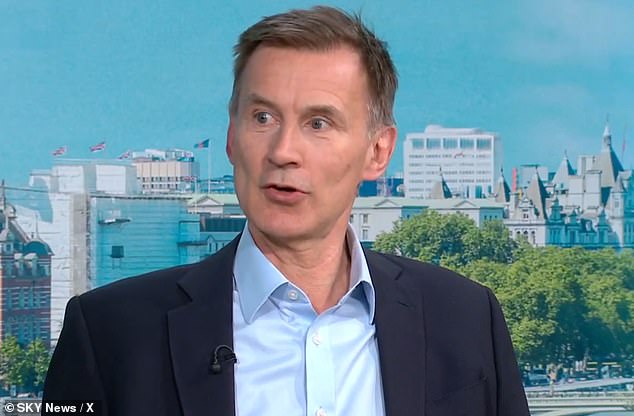
Former Chancellor Jeremy Hunt Advocates for Social Media Ban for Children Under 16
LONDON – In a move that could reshape the digital landscape for young people, former Chancellor of the Exchequer Sir Jeremy Hunt has publicly endorsed a ban on social media access for children under the age of 16. Citing concerns about the detrimental impact of platforms like Instagram and TikTok on young people’s development, Hunt characterized the proposed ban as a "no-brainer." This declaration comes as Australia prepares to implement similar legislation later this year, threatening substantial penalties for non-compliant tech companies. Hunt’s endorsement adds significant weight to the growing debate surrounding children’s online safety and the role of social media in their lives.
Hunt, a prominent Conservative MP and father of three, expressed deep anxieties about the pervasive influence of social media on youngsters. He highlighted the addictive nature of these platforms, recounting his own family’s experiences with his children, aged 10, 13, and 14, becoming completely engrossed in TikTok and YouTube Shorts for extended periods. While acknowledging progress in curbing online harms like access to pornography, he emphasized that the addictive grip of social media presents a distinct and pressing challenge. This, he argued, necessitates further action to protect children from the potentially harmful effects of excessive social media consumption.
The former Chancellor also raised crucial concerns about the potential erosion of interpersonal skills among young people due to their reliance on digital interactions. He stressed the importance of face-to-face communication and the development of patience in building meaningful relationships, aspects he fears are being undermined by the pervasiveness of social media. This concern underscores a wider societal anxiety about the potential long-term consequences of digitally mediated interactions on social development.
Hunt’s call for a ban aligns with similar proposals gaining traction in other countries. He confirmed his willingness to vote in favor of such legislation should it be introduced in the UK Parliament, predicting that in the future, society will look back and question why such measures weren’t implemented sooner. This forward-looking perspective underscores the growing urgency of addressing the potential negative consequences of unchecked social media use among children.
This proposed ban, while potentially impacting millions of young users, raises complex questions about freedom of access, parental responsibility, and the role of government in regulating online spaces. Critics may argue that such a ban infringes on children’s digital liberties and limits their access to valuable information and social connections. Conversely, proponents emphasize the importance of prioritizing children’s well-being and safeguarding them from the potential harms of excessive social media exposure. The debate also highlights the challenges of enforcing such a ban and the need for effective collaboration between government, tech companies, and families.
The conversation sparked by Hunt’s endorsement is likely to intensify as policymakers and stakeholders grapple with the intricate balance between online access and child protection. The ultimate decision on a social media ban will have profound implications for the future of online interaction for young people, necessitating careful consideration of the potential benefits and drawbacks. As the digital landscape continues to evolve, finding a sustainable and effective approach to protecting children online remains a critical challenge.