



Three Southern Nevada governments have agreed to fund a major new homeless-services campus, marking a significant regional attempt to consolidate care for people experiencing homelessness. North Las Vegas, the city of Las Vegas and Clark County are together committing $15 million annually to Campus for Hope, a project designed as a wrap-around services campus. The idea is that clients should be able to find shelter, medical care, mental health support, substance use treatment, job counseling, benefits enrollment and other forms of assistance in one coordinated place instead of being shuffled across the valley. The model is borrowed from San Antonio, where a similar approach has gained national recognition as a way to organize services around a single physical campus. Under the funding arrangement, the three participating governments will each contribute to the annual total, although the exact breakdown has not been disclosed. The project has attracted attention because it depends on collaboration among municipalities that have sometimes disagreed over homelessness policy and have traditionally been reluctant to share financial responsibility. Clark County has also stepped in to help the city of Las Vegas cover its share of the bill through 2031, an acknowledgement of the city’s severe budget problems. Henderson, another major city in the valley, has so far chosen not to enter into a financial agreement. However, Henderson’s decision is not final, and city representatives have indicated that the door remains open. The agreement is a rare example of multiple jurisdictions in Nevada creating a sustained funding stream for a single homelessness-campus project. It also leaves key questions unanswered: how the campus will be built, who will operate it, what services will be offered first, and whether the region can sustain the commitment if costs rise. For now, the combined $15 million annual commitment is the clearest signal yet that local governments are trying to move beyond emergency shelters and temporary motel vouchers toward a more systematic, coordinated response to homelessness.
Wrap-around services are the central concept behind Campus for Hope. The San Antonio model, often identified with the Haven for Hope campus, has become one of the most frequently cited examples of a comprehensive approach to homelessness. That campus includes a low-barrier emergency shelter, spaces for families, a health clinic, dental services, mental health counseling, substance abuse treatment, job training, legal aid and help with permanent housing. It is built around the idea that stability does not come from a bed alone; it comes from helping people resolve the health, income and social issues that led to homelessness. Case managers work with each client to build a personal plan, with the goal of moving them into stable housing as quickly as possible. For Las Vegas, a similar campus would likely include a single point of entry where people can be assessed and connected to the right level of care. It would need to operate around the clock and accommodate people with a variety of needs, including those with serious mental illness, people struggling with addiction, families with children, survivors of domestic violence, veterans and older adults. It would probably also need to respond to local conditions, such as the extreme desert heat, the prevalence of people living in vehicles, and the scarcity of affordable housing. The model is not a cure-all. Such campuses can be expensive, can become overcrowded, and depend heavily on the quality of leadership and staffing. But supporters argue that a wrap-around approach can reduce more costly interventions such as emergency room visits, psychiatric hospitalizations and jail stays. The $15 million annual commitment is intended to support that kind of comprehensive operation. Whether the amount is sufficient will depend on the scale of the campus, the number of people served, the cost of licensed medical and behavioral health staff, and the availability of other funding from state and federal programs. The design of Campus for Hope may also need to be flexible, allowing services to be adjusted as the population changes.
Henderson’s absence from the financial agreement is significant. The city is part of the Las Vegas metropolitan area and has experienced homelessness in its own neighborhoods, even if the visible street population is smaller than in downtown Las Vegas. Officials in Henderson have not given a final explanation for staying out of the agreement, but the decision appears to reflect timing and budget considerations rather than opposition to the campus itself. Like all cities, Henderson has many competing financial demands: public safety, parks, road maintenance, community development and reserve requirements. The city may also want to see evidence that the campus can be operated effectively before committing taxpayer dollars. The agreement leaves room for Henderson to join later, and the fact that the decision is not final suggests that talks with the other governments are continuing. For the project’s organizers, Henderson’s eventual participation could be valuable. Additional funding would expand the scope of the campus, and Henderson’s geographical position on the east side of the valley would make the project more accessible to residents from a broader area. Service providers and advocates have long noted that homeless resources tend to be concentrated near downtown Las Vegas, which can make it difficult for people in other parts of the valley to get help. If Henderson were to join, it would signal that the region is willing to share the responsibility for homelessness rather than leaving a few neighborhoods to bear the burden. It would also allow Henderson to have a seat at the table as decisions are made about the campus design, service priorities and operating rules. For now, the project is moving forward without Henderson. If the campus proves successful, pressure on Henderson to participate may increase. If it struggles, Henderson’s decision to wait may be viewed as prudent. Either way, Henderson’s role will continue to be a subject of countywide interest until the city makes a final decision.
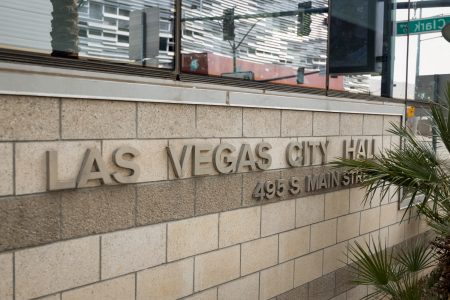
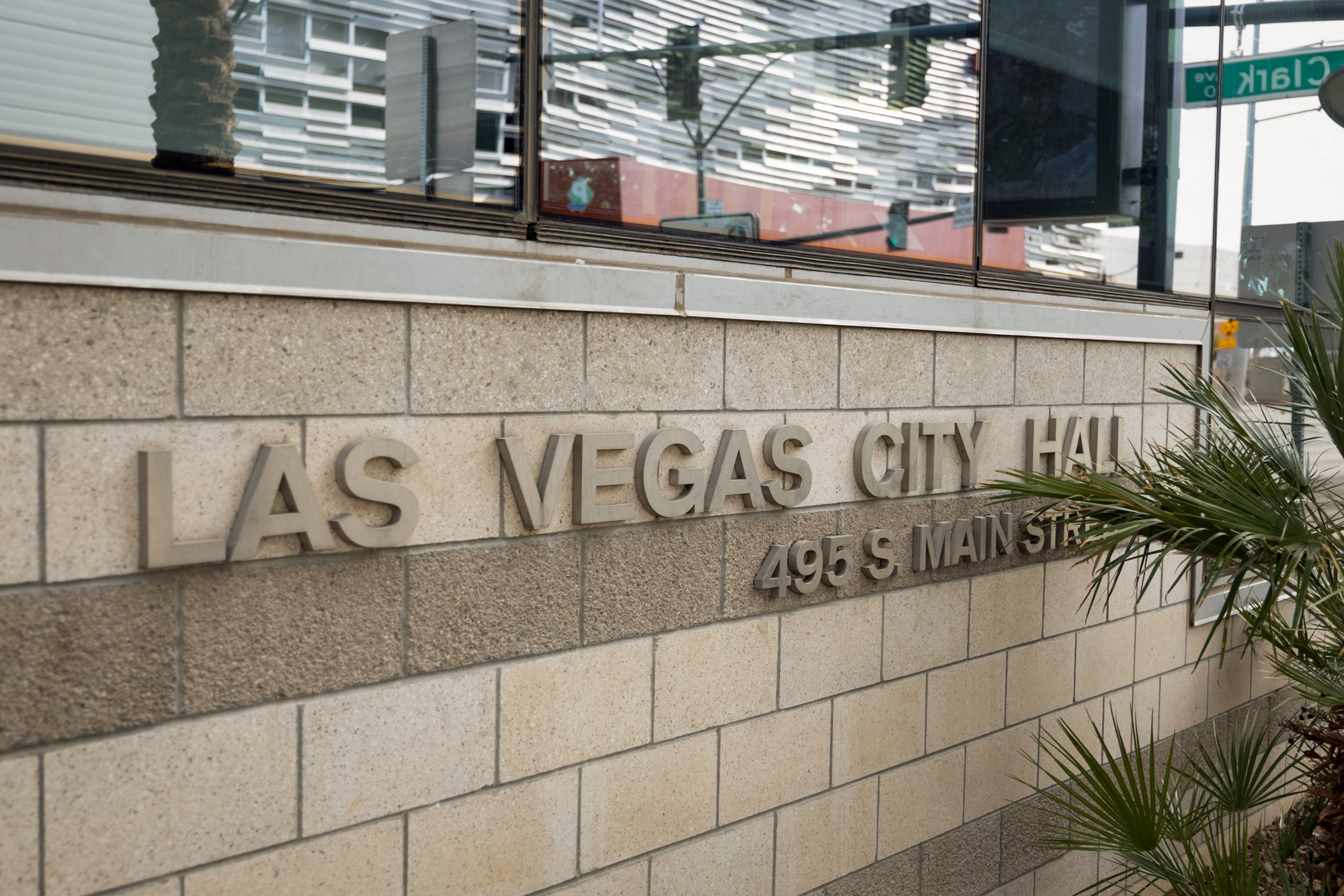
The Las Vegas city government’s involvement is especially significant because of its current financial condition. The city has been dealing with the consequences of last year’s settlement in the Badlands case. The dispute, which centered on a golf course property and rights to future development, ended with Las Vegas agreeing to pay $636 million. That settlement created a budget deficit of more than $100 million and forced city officials to make hard choices about spending. The Badlands case has been one of the most financially damaging legal episodes in the city’s recent history. A settlement of that size is normally paid over a period of years, but it still affects the annual budget by consuming a large share of revenue. Las Vegas has had to consider reductions in some city services, delays in capital projects, changes to staffing and other measures to close the gap. Against that backdrop, joining Campus for Hope was not a given. The fact that the city decided to participate suggests that city leaders consider the homelessness campus to be an essential investment and do not want to damage the regional partnership at a time when coordination is becoming more important. The county’s agreement to help cover Las Vegas’s contribution through 2031 was likely a decisive factor. Without that assistance, Las Vegas might have struggled to guarantee its participation, or it might have insisted on a smaller share. The county support does not remove the city’s obligation entirely; it gives Las Vegas time to stabilize its finances while the project is being developed. After 2031, the city will need to fund its share without the same level of county help unless another agreement is negotiated. In the meantime, the interaction between the Badlands settlement and the new homelessness investment will remain a part of the city’s budget discussions. One of the questions for residents and officials is whether all Las Vegas communities benefit equally from the campus, and whether the city can maintain its commitments if tax revenues fall short.
Clark County’s decision to help with Las Vegas’s contributions through 2031 is a major part of the agreement, because it means the county is taking on a financial responsibility larger than its own share of the $15 million annual amount. By doing so, the county is effectively underwriting Las Vegas’s membership in the partnership. Homelessness in Clark County is not confined to the city of Las Vegas. People without housing move across city and township boundaries, sleep in desert washes, under interstate overpasses and in commercial corridors, and they come into contact with county-funded services in many places. The county has long been an important source of money for homeless assistance programs, and its willingness to support the city’s contribution reflects a recognition that a major campus will benefit the whole county. The county also has a broader revenue base than the city. Clark County collects property taxes, sales taxes and other revenues that support a wide range of services. That gives the county some additional capacity to absorb the cost of helping Las Vegas, at least in the short term. The arrangement is structured with a clear end date of 2031, which means the county is not making an open-ended promise. It has agreed to provide help for a defined period, after which the city must take back full responsibility for its share. This timeline could work well if Las Vegas uses the intervening years to stabilize its budget. But it also creates a risk: if the city is still in financial trouble in 2031, the county may be pressured to extend the arrangement. The county’s support could also be read as an endorsement of the San Antonio model and the campus-based approach. The county is currently spending money on a range of programs, and by helping Las Vegas make the project work, it is choosing to prioritize a single integrated campus. That choice may be reevaluated in future budget cycles, but for now the county’s commitment is an important anchor for the project. The county’s role also gives it leverage in decision-making about the campus, from site selection to service standards. County officials will need to monitor both their own financial outlays and the city’s progress, ensuring that the partnership remains accountable to the public.
The Campus for Hope initiative will have to overcome a number of challenges before it becomes a functioning reality. The first is physical: a site must be found, approved, designed and built. In many regions, locating a homeless services facility triggers opposition from neighboring property owners and businesses, and Southern Nevada is no exception. Project leaders will have to make the case that the campus will be safe, well-managed and integrated into the community. The second challenge is operational. The wrap-around approach depends on multiple agencies and providers coordinating their work. Disputes over funding, staffing, data sharing and eligibility rules can undermine even the best-designed project. Hiring and retaining experienced case managers, social workers, medical personnel and security staff will be essential. The third challenge is housing. A homeless-services campus is only one part of the solution. Clients need somewhere to go after they leave the campus. Without enough permanent housing, affordable units and rental assistance, the campus could become a long-term shelter rather than a gateway to stability. The three participating governments will need to work with developers, landlords, nonprofit housing organizations and state agencies to ensure there is a path to permanent homes. Henderson remains the biggest jurisdictional open question. Its eventual decision could alter the project’s budget and credibility. If Henderson joins, the program will have broader regional support. If it continues to decline, the project will be led by a smaller coalition. The fact that Henderson has not made a final decision means future negotiations are possible. The Nevada Independent, in partnership with Gigafact, has produced fact briefs to help the public verify important claims about the project, including the $15 million annual contribution, the participants in the agreement, Henderson’s non-participation, the impact of the Badlands settlement on Las Vegas’s budget, and Clark County’s assistance through 2031. These details are central to understanding the initiative and holding officials accountable for the promises they have made. With funding now committed, the next phase will be about execution. Decisions made over the coming months will determine whether Campus for Hope lives up to its name and whether it becomes a lasting fixture in the region’s effort to address homelessness. The regional partnership is a positive sign, but the hard work of delivering services has only just begun.