


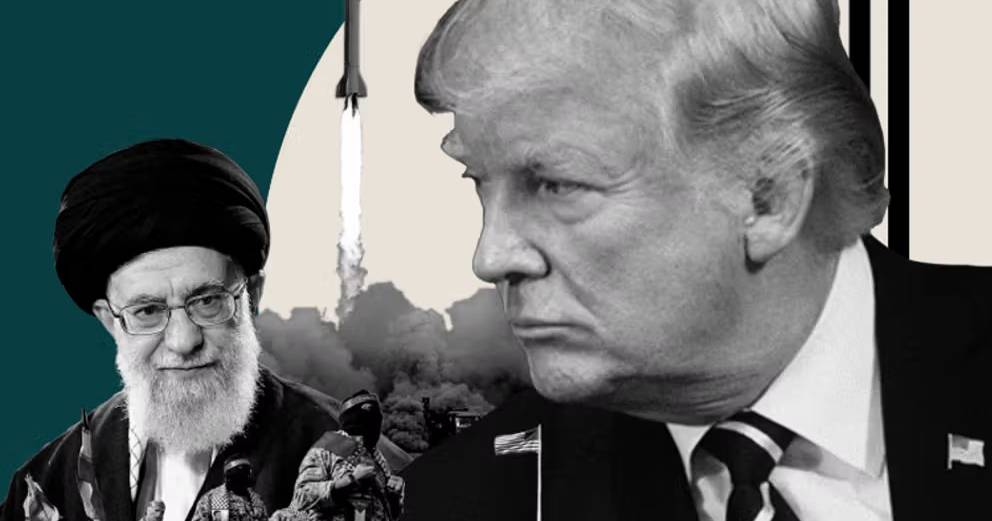
Iranian State Media Propagates False Trump Negotiation Preconditions Amid Economic Turmoil
A coordinated disinformation campaign orchestrated by several Iranian state media outlets has disseminated fabricated preconditions allegedly set by former US President Donald Trump for negotiations with Tehran. This campaign, analysts believe, aims to justify Supreme Leader Ali Khamenei’s staunch refusal to engage in talks with the US, deflecting public anger amidst escalating economic hardship marked by a plummeting national currency and soaring prices. The false narratives center around outlandish demands, including the cession of Iranian islands and stringent oversight of Iran’s nuclear and space programs, none of which have any basis in official US policy documents or public statements. This manufactured justification comes as the Iranian public grapples with the crippling effects of renewed US sanctions and internal economic mismanagement.
The disinformation campaign gained traction with a false report attributed to The Wall Street Journal, claiming Trump demanded the transfer of three Iranian islands to the United Arab Emirates as a prerequisite for talks. The issue of these islands carries significant emotional weight for Iranians across the political spectrum, making it a potent tool for manipulating public sentiment. Subsequent reports debunked the Wall Street Journal attribution, but the narrative had already taken root, amplified by further fabricated conditions published in other Iranian media outlets. These fabricated conditions included demands for US oversight of Iran’s peaceful nuclear activities, unconditional release of all American and European prisoners, and the dismantling or US supervision of Iranian space research centers.
This wave of disinformation comes in the wake of Trump’s February 5th directive reinstating the "maximum pressure" campaign against Iran. This policy aims to prevent Iran from acquiring nuclear weapons and curtail its regional influence by stifling its oil exports. Khamenei swiftly rejected any prospect of negotiations with the US, declaring them futile and dishonorable, a stance that holds significant weight given his ultimate authority in all state matters. Despite Trump’s later expression of hope for a deal, Khamenei’s categorical rejection triggered skepticism and criticism, even among some pro-government voices and officials who questioned the wisdom of prioritizing historical grievances over national interests.
The Supreme Leader’s intransigence has sparked internal debate within Iran, with some questioning his rationale and others aligning themselves with his decision. While officials like Parliament Speaker Mohammad Bagher Ghalibaf publicly supported Khamenei’s directive, others, like former President Rafsanjani’s associates, criticized the decision in veiled editorials, arguing for a pragmatic approach to foreign policy based on current realities rather than historical prejudices. This internal dissent underscores the complex political landscape in Iran and the potential ramifications of Khamenei’s decision, particularly given the dire economic situation.
State-sponsored celebrations marking the anniversary of the Islamic Revolution provided a platform for officials to echo the Supreme Leader’s anti-negotiation stance. President Masoud Pezeshkian, Foreign Minister Abbas Araghchi, and Defense Minister Aziz Nasirzadeh all publicly denounced the US and reiterated their distrust of negotiations under pressure and coercion. However, some figures, like former Rouhani chief of staff Mahmoud Vaezi, attempted to soften the narrative, suggesting Khamenei’s rejection was context-specific to the Trump administration and did not preclude future negotiations under different circumstances.
Despite these attempts to justify Khamenei’s decision and deflect blame, the disinformation campaign and the economic hardships it seeks to mask have fueled further public discontent. The dramatic surge in currency and gold prices following Trump’s remarks has intensified the economic strain on ordinary Iranians, leading some officials to call for clarification of the Supreme Leader’s position. While some within the establishment acknowledge the negative public reaction to Khamenei’s stance, they attribute it to economic hardship rather than a fundamental disagreement with his policy. However, the widespread anti-government protests and slogans chanted against the Islamic Republic and Khamenei on the eve of the revolution’s anniversary suggest a deeper and more widespread dissatisfaction with the regime’s handling of the crisis. The manufactured narratives and attempts to deflect blame appear to be failing to quell the growing public anger and frustration with the deteriorating economic and political situation.