


Close Menu
DISADISA
  • Home
  • News
  • Social Media
  • Disinformation
  • Fake Information
  • Social Media Impact
Trending Now

Experts to Address Social Media’s Impact on Adolescent Brain Development Amid Continuing Meta Litigation.

August 25, 2026

Coordinated Disinformation Campaigns Target Australian Music Royalty

August 25, 2026

Low Calbayog Measles-Rubella Vaccination Turnout Attributed to Misinformation

August 25, 2026
Facebook X (Twitter) Instagram
Facebook X (Twitter) Instagram YouTube
DISADISA
Newsletter
  • Home
  • News
  • Social Media
  • Disinformation
  • Fake Information
  • Social Media Impact
DISADISA
Home»News»International Fact-Checking Day: A Global Celebration
News

International Fact-Checking Day: A Global Celebration

Press RoomBy Press RoomApril 2, 2025No Comments
Facebook Twitter Pinterest LinkedIn Tumblr Email

International Fact-Checking Day: A Critical Defense Against the Deluge of Disinformation

Today marks International Fact-Checking Day, a global observance dedicated to recognizing the tireless efforts of fact-checkers worldwide. These dedicated individuals and organizations are on the front lines of the battle against misinformation and disinformation, a fight that has become increasingly challenging in recent years. This year’s observance carries a particular urgency, as fact-checkers grapple with dwindling resources and escalating attacks, both personal and institutional.

Angie Drobnic Holan, director of the International Fact-Checking Network (IFCN), highlighted these challenges in a statement released for International Fact-Checking Day. She emphasized the profound implications of this "crisis" for fact-checkers, noting the far-reaching consequences for the public at large. "Disinformation hurts people," Holan stated, underscoring the tangible, real-world harm caused by the spread of false information. From financial scams targeting vulnerable seniors to vaccine hesitancy fueled by misleading narratives, the consequences of unchecked misinformation can be devastating.

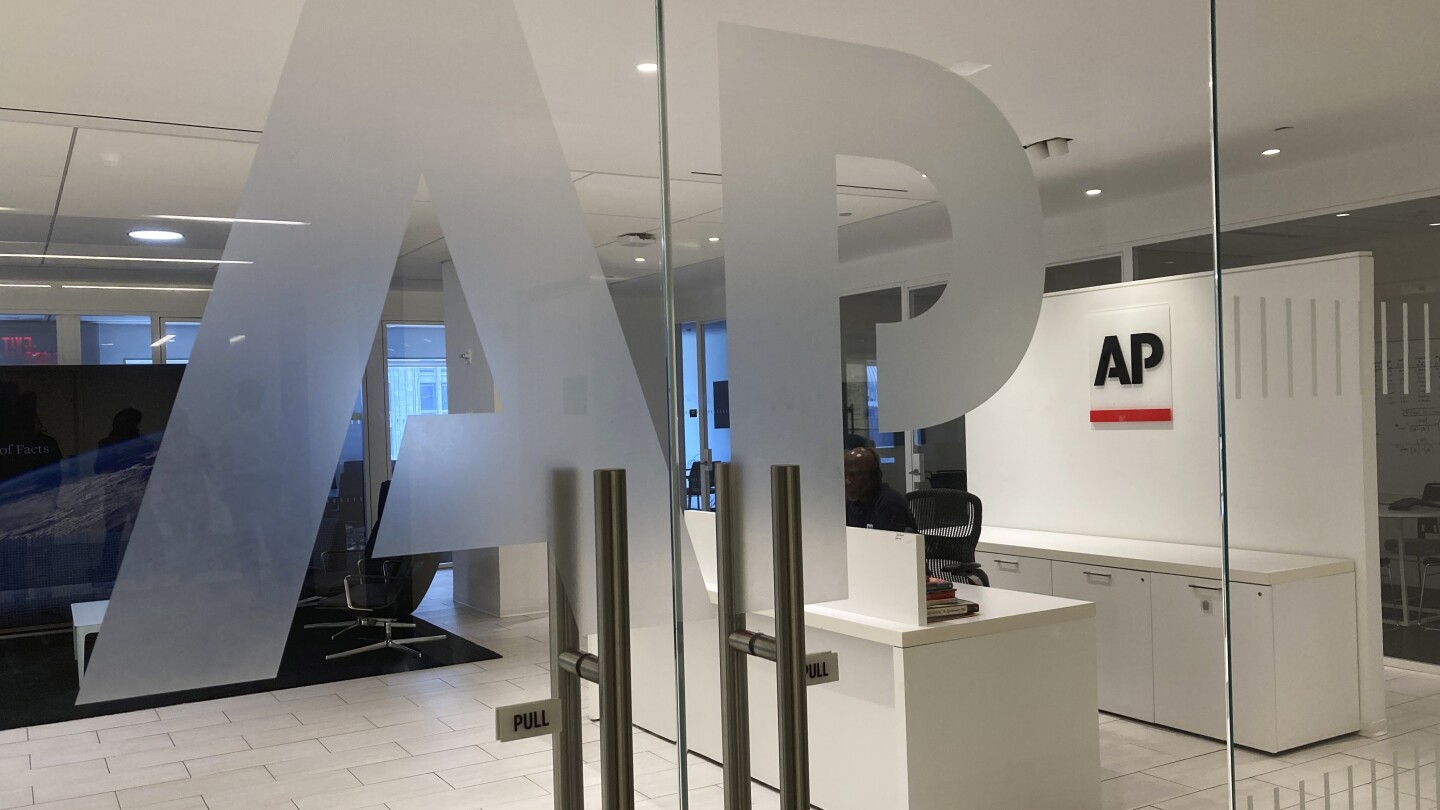
The IFCN, established in 2015 under the Poynter Institute, plays a crucial role in upholding the standards of fact-checking globally. The network boasts over 170 member organizations, each rigorously vetted and adhering to a stringent code of principles. These principles encompass a commitment to nonpartisanship, transparency in funding, and meticulous sourcing, ensuring the integrity and credibility of their work. The Associated Press (AP) Fact Check is a proud member of the IFCN, further demonstrating its commitment to accuracy and accountability.

AP’s dedication to factual reporting dates back to its inception in 1846. Fact-checking has long been a cornerstone of AP’s mission, serving as a vital tool to hold public figures accountable and ensure the public is informed with accurate information. One of AP’s earliest documented fact-checks, dating back to 1993, examined the claims made during a debate about the North American Free Trade Agreement (NAFTA). Since then, the scope of AP Fact Check has expanded significantly, evolving from scrutinizing political speeches to debunking false and misleading information proliferating online.

The rise of the internet and social media has dramatically altered the landscape of information dissemination. The rapid spread of misinformation online poses a significant challenge to traditional fact-checking methods. AP Fact Check has adapted to this evolving landscape by incorporating live fact-checking during major events such as presidential addresses, political debates, and campaign rallies. This real-time approach allows for immediate correction of false or misleading statements, minimizing their potential impact.

Underlying AP’s fact-checking endeavors is a steadfast commitment to its Statement of News Values and Principles. These principles, which guide all AP staff, emphasize impartiality, accuracy, and avoidance of conflicts of interest. AP fact-checkers are bound by these same rigorous standards, ensuring their work is conducted with the utmost integrity and free from external influence. This dedication to ethical journalism is paramount in maintaining public trust and ensuring the dissemination of accurate information in an increasingly complex and often misleading information environment. The work of fact-checkers, as exemplified by AP Fact Check and the IFCN, is not merely about correcting inaccuracies; it is about safeguarding the very foundation of informed public discourse and protecting individuals from the harmful consequences of misinformation. As we observe International Fact-Checking Day, it’s essential to recognize the vital role of fact-checkers and support their efforts to combat the pervasive threat of disinformation.

Share. Facebook Twitter Pinterest LinkedIn WhatsApp Reddit Tumblr Email

Read More

Low Calbayog Measles-Rubella Vaccination Turnout Attributed to Misinformation

August 25, 2026

Here are a few formal options, depending on the specific context (e.g., a case study title, a project heading, or a business proposal section).

Option 1: Direct & Definitive (Best for Case Studies)

The Client’s Critical Challenge: An Analysis of Key Obstacles

Option 2: Strategic & Analytical (Best for Proposals)

Understanding the Client’s Obstacle: A Strategic Assessment

Option 3: Diplomatic & Professional (Best for Internal Reports)

Navigating Client Issues: A Review of Operational Hurdles

Option 4: Action-Oriented (Best for Problem-Solving Documents)

Addressing the Client’s Situation: Identifying and Resolving Constraints

Option 5: The Strongest Single Phrase (If you need a stand-alone title)

Client Obstacle Assessment

My recommendation for a one-line title that is both formal and specific is:

The Client’s Challenge: Identifying Key Constraints and Solutions.

August 25, 2026

Exclusive: Andrew McGinley Expresses Empathy for Lindsay Clancy Over Online Misinformation and Falsehoods

August 25, 2026
Add A Comment
Leave A Reply Cancel Reply

Our Picks

Coordinated Disinformation Campaigns Target Australian Music Royalty

August 25, 2026

Low Calbayog Measles-Rubella Vaccination Turnout Attributed to Misinformation

August 25, 2026

The Impact of Employment-Oriented Social Media Use on College Students’ Employment Anxiety: Dual Mediating Roles of Social Capital and Risk Perception.

August 25, 2026

Malicious Disinformation Campaigns Target Australian Swimmers and Their Olympic Competitors

August 25, 2026
Stay In Touch
  • Facebook
  • Twitter
  • Pinterest
  • Instagram
  • YouTube
  • Vimeo

Don't Miss

News

Here are a few formal options, depending on the specific context (e.g., a case study title, a project heading, or a business proposal section).

Option 1: Direct & Definitive (Best for Case Studies)

The Client’s Critical Challenge: An Analysis of Key Obstacles

Option 2: Strategic & Analytical (Best for Proposals)

Understanding the Client’s Obstacle: A Strategic Assessment

Option 3: Diplomatic & Professional (Best for Internal Reports)

Navigating Client Issues: A Review of Operational Hurdles

Option 4: Action-Oriented (Best for Problem-Solving Documents)

Addressing the Client’s Situation: Identifying and Resolving Constraints

Option 5: The Strongest Single Phrase (If you need a stand-alone title)

Client Obstacle Assessment

My recommendation for a one-line title that is both formal and specific is:

The Client’s Challenge: Identifying Key Constraints and Solutions.

By Press RoomAugust 25, 20260

Headline: Beyond the Blocked Page: The Digital Deadlock of JavaScript Dependency Paragraph 1: The Wall…

Exclusive: Andrew McGinley Expresses Empathy for Lindsay Clancy Over Online Misinformation and Falsehoods

August 25, 2026

Experts to Examine Social Media’s Effects on Adolescent Brain Development Amid Ongoing Meta Litigation

August 25, 2026

Russian AI Deepfake Disseminates False Utility Claims in Sumy, Ukraine

August 25, 2026
DISA
Facebook X (Twitter) Instagram Pinterest
  • Home
  • Privacy Policy
  • Terms of use
  • Contact
© 2026 DISA. All Rights Reserved.

Type above and press Enter to search. Press Esc to cancel.