


Congress Grapples with Online Misinformation: Social Media Influencers Resist Scrutiny in House Hearing
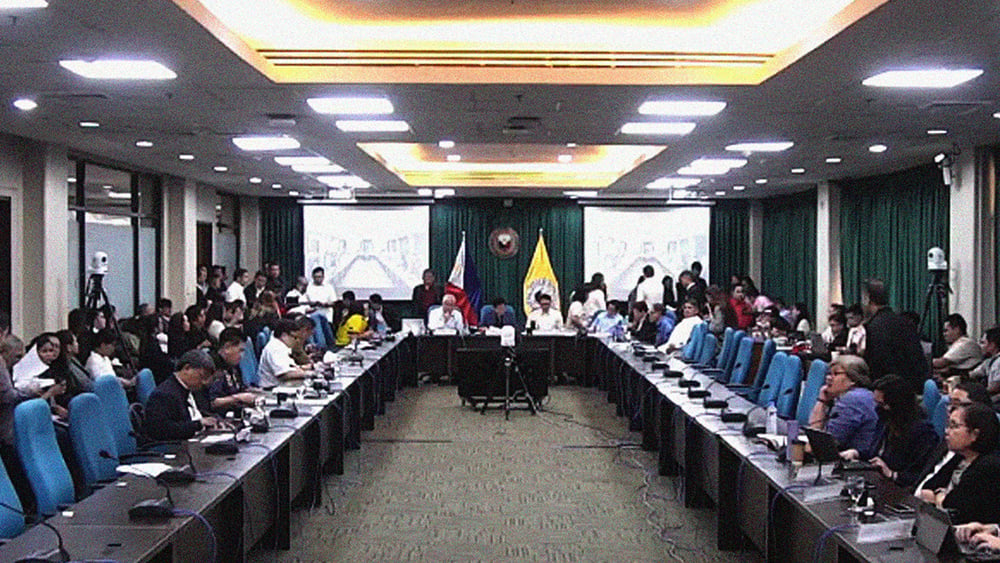
The halls of the Philippine House of Representatives recently witnessed a tense standoff between lawmakers and social media influencers as a tri-committee hearing convened to address the pervasive issue of fake news and disinformation online. The hearing, intended to gather insights from prominent online personalities, was met with significant resistance, with only a handful of invited influencers attending. The notable absence of over thirty influencers, coupled with legal challenges and accusations of censorship, highlighted the complexities of regulating online content while upholding constitutional freedoms. The hearing underscored the growing concern among lawmakers regarding the unchecked spread of false information on social media platforms and its potential impact on public discourse and democratic processes.
The tri-committee, composed of the House committees on Appropriations, on Public Information, and on Information and Communications Technology, sought to explore potential regulatory frameworks for online content. The hearing aimed to solicit input from key stakeholders, including social media personalities who command substantial online followings and wield considerable influence over public opinion. However, the committee’s efforts were stymied by a wave of non-attendance, with many influencers expressing reservations about the hearing’s purpose and potential implications for freedom of expression. This lack of cooperation prompted the committee to issue show cause orders, demanding explanations for their absence and raising the prospect of further legal action.
Among the notable absentees was former Press Secretary Atty. Trixie Cruz-Angeles, who submitted a strongly worded letter questioning the legality of the tri-committee’s investigation. Angeles argued that the inquiry infringed upon constitutionally protected freedoms of speech and expression, setting the stage for a legal debate on the balance between regulation and individual rights. Representative Joseph Stephen Paduano responded to Angeles’ challenge by proposing that the House legal department investigate the possibility of filing a disbarment case against her, further escalating the tension between the legislative body and those critical of its approach to regulating online content. This move ignited a fierce debate over the appropriate response to individuals questioning the legitimacy of legislative inquiries.
The central point of contention revolved around the perceived threat to freedom of speech and expression posed by the tri-committee’s investigation. Many influencers who declined the invitation to testify argued that the hearing represented an attempt to curtail online discourse and stifle dissenting voices. They expressed concerns that regulatory measures could be used to silence criticism and restrict the free flow of information online. This apprehension reflects a broader anxiety surrounding government intervention in the digital sphere and the potential for such intervention to be misused for political purposes. The debate underscored the delicate balancing act required in addressing online misinformation without unduly restricting fundamental freedoms.
Surigao del Norte Representative Robert Ace Barbers, who initiated the investigation, sought to allay these fears, emphasizing that the tri-committee’s objective was not to suppress free speech but to promote responsible online behavior. Barbers argued that the proliferation of fake news and disinformation on social media platforms necessitates some form of regulation to protect the public from harmful content. He drew parallels with regulations imposed on traditional media, suggesting that similar standards of accountability and ethical conduct should apply to online platforms. Barbers’ argument framed the issue not as a matter of censorship but of establishing responsible online conduct and ensuring the integrity of information shared on social media.
The hearing revealed the challenges inherent in navigating the evolving landscape of online communication. The rise of social media platforms as powerful tools of information dissemination has created new avenues for the spread of misinformation and propaganda, posing a significant threat to democratic processes and social cohesion. Balancing the need to combat harmful content with the imperative to protect fundamental freedoms presents a complex dilemma for policymakers worldwide. The hearing served as a microcosm of this global struggle, highlighting the tensions between protecting free speech and safeguarding against the dangers of online manipulation. The debate over regulating online content is likely to continue as lawmakers grapple with the rapidly evolving digital environment and its impact on society. This initial hearing represents only the first step in a long and complex process of determining how best to address the challenges of online misinformation while preserving the fundamental right to freedom of expression.