


South Korea’s 2025 Presidential Election: A Case Study in Digital Manipulation
The 2025 South Korean presidential election, held on June 3rd, served as a stark reminder of the growing threat of digital manipulation in democratic processes. A study conducted by Cyabra, an Israeli open-source intelligence firm, revealed a significant presence of inauthentic online accounts engaged in spreading disinformation and negative sentiment during the election campaign. This manipulation campaign, characterized by its sophistication and scale, raises serious concerns about the integrity of online discourse and its potential to influence electoral outcomes in the digital age.
Cyabra’s analysis, focusing on TikTok and X (formerly Twitter) activity between April 10 and May 10, 2025, uncovered a disturbing landscape of online manipulation. Nearly 30% of the 1,400 profiles examined were deemed inauthentic, with 14% actively disseminating negative narratives. A significant portion of these inauthentic accounts, approximately 33%, were geolocated within South Korea itself, suggesting a coordinated effort to manipulate domestic public opinion. The negative messaging primarily targeted political and economic issues, aiming to sow discord and undermine public trust in the existing administration.
The disinformation campaign intensified in late April and early May, coinciding with discussions surrounding the impeachment of President Yoon. This period saw a marked increase in emotionally charged content, often amplified by the inauthentic accounts. Among the narratives propagated was the claim that the upcoming election was rigged, with some accounts even alleging Chinese involvement. While the report doesn’t verify these claims or attribute them to any specific source, their presence highlights the potential for foreign interference to be injected into domestic political discourse through digital channels.
The tactics employed by these manipulative actors went beyond simply spreading misinformation. Cyabra identified coordinated bot campaigns and the use of deepfakes, demonstrating a high level of sophistication. One identified inauthentic account, @cjhdreamer, exerted a significant influence, reaching potentially 2,000 users with claims that the election was being "controlled by the left." The manipulation efforts extended beyond the political realm, also targeting economic anxieties. Coordinated profiles blamed government housing loan policies for rising household debt, portraying the administration as incompetent in managing the economy.
South Korea’s high internet penetration rate, with over 97% of its population online, makes it particularly vulnerable to such digital manipulation tactics. While widespread internet access facilitates democratic engagement, it also creates a fertile ground for disinformation campaigns to flourish, especially when amplified by algorithmic manipulation. The ease with which false narratives can spread online, coupled with the emotional resonance of such narratives, poses a significant challenge to maintaining a healthy and informed public discourse.
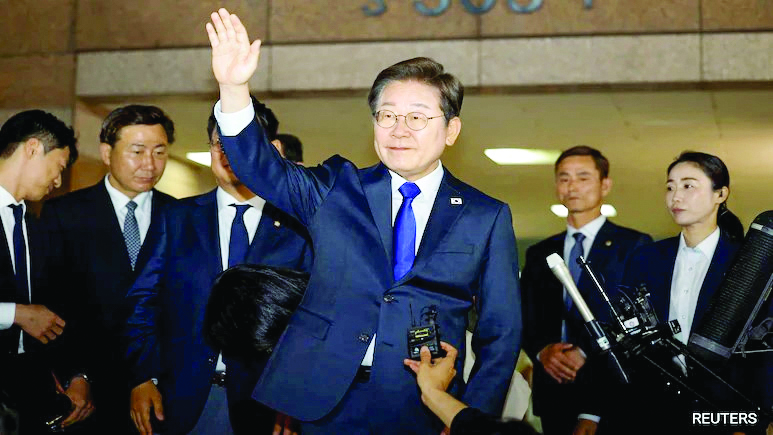
Jill Burkes, Head of Communications at Cyabra, emphasized the advanced nature of this manipulation campaign, noting its early coordination, use of emotionally charged deepfakes, and the blend of domestic and foreign activity. She warned that the tactics observed in South Korea foreshadow a concerning trend in global elections, highlighting the ease with which online narratives can be manipulated to influence public perception and potentially sway electoral outcomes. This case study serves as a wake-up call for other democracies, urging them to prepare for similar challenges in the coming years. The eventual victory of opposition leader Lee Jae-myung, by a significant margin of nearly three million votes, underscores the potential impact of such digital manipulation, although a direct causal link remains difficult to establish conclusively. Nonetheless, the documented manipulation efforts warrant serious attention and raise questions about the extent to which they may have influenced voter perceptions and ultimately contributed to the election outcome.
The South Korean experience provides valuable lessons for other countries, particularly those with upcoming elections and high internet penetration rates. India, for instance, with its 2029 general elections on the horizon and a projected 1.2 billion mobile internet users, faces similar vulnerabilities. The emergence of inauthentic accounts pushing disruptive narratives in South Korea serves as a stark reminder of how quickly disinformation operations can distort democratic discourse in hyper-connected societies. The international community must prioritize collaborative efforts to develop effective countermeasures against such manipulation tactics and safeguard the integrity of democratic processes in the digital age. This includes investing in media literacy programs, strengthening fact-checking initiatives, and exploring regulatory frameworks to address the spread of disinformation online. Furthermore, international cooperation is crucial to identify and counter foreign interference campaigns that aim to undermine democratic institutions.
The South Korean case underscores the urgent need for a multi-faceted approach to combating digital manipulation. This involves not only technological solutions but also educational initiatives and public awareness campaigns to empower citizens to critically evaluate online information and identify manipulative tactics. The future of democracy in the digital age hinges on our ability to effectively address these challenges and ensure that online spaces remain conducive to informed and democratic participation.
The implications of the South Korean election manipulation extend beyond its borders, serving as a cautionary tale for democracies worldwide. The increasing sophistication of disinformation campaigns, coupled with the widespread use of social media, poses a significant threat to the integrity of electoral processes. The international community must work together to develop effective strategies to counter these threats, including promoting media literacy, supporting independent journalism, and holding social media platforms accountable for the content they host.
Furthermore, the potential for foreign interference in elections through digital means necessitates greater vigilance and cooperation among nations. Sharing information and best practices for identifying and counteracting these attempts is crucial to protecting democratic institutions from external manipulation. The South Korean experience highlights the need for a global approach to addressing the challenge of digital election interference, ensuring that democratic processes remain free, fair, and resilient in the face of these evolving threats.
The lessons learned from South Korea’s 2025 election should serve as a catalyst for comprehensive reform aimed at mitigating the risks of digital manipulation in future elections. This requires a coordinated effort involving governments, social media platforms, civil society organizations, and individuals. Strengthening legal frameworks to address disinformation, while protecting freedom of expression, is essential. Investing in research and development of technologies to detect and counter manipulative tactics is also crucial. Ultimately, fostering a culture of critical thinking and media literacy among citizens is paramount to building resilience against disinformation and safeguarding the integrity of democratic processes in the digital era.