







Paragraph 1: Introduction and Context of the INEC Workshop
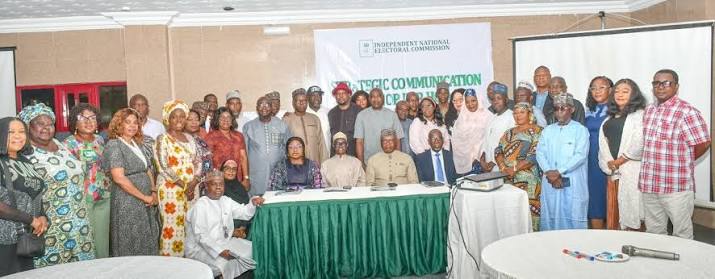
In a decisive move to fortify its communication infrastructure ahead of the 2027 general elections, the Independent National Electoral Commission (INEC) has inaugurated a comprehensive two-day strategic communication workshop. This pivotal event, held in Abuja from August 19 to 20, 2026, is specifically designed for Heads of Department for Voter Education and Publicity (VEP) from INEC’s state offices nationwide. The initiative comes at a critical juncture, as the official campaign period for the 2027 elections has just commenced, marking the formal entry into a politically charged atmosphere. The workshop’s primary objective is to significantly strengthen the capacity of these state-level communication officers, equipping them to more effectively engage with the electorate, counter the pervasive threats of misinformation and disinformation, and bolster public confidence in the integrity of the electoral process. By focusing on these core areas, INEC aims to ensure that its communication channels are not only robust but also resilient against the complex information challenges that characterize modern elections, thereby laying a solid foundation for the conduct of credible and peaceful polls.
Paragraph 2: Operational Challenges and the Scale of the 2027 Task
The declaration of the workshop was made by National Commissioner and Chairman of INEC’s Information and Voter Education Committee (IVEC), Mohammed Kudu Haruna. In his opening address, Haruna candidly detailed the formidable operational challenges confronting the Commission as it gears up for the 2027 elections. He highlighted significant financial constraints arising from the federal government’s envelope budgeting system, which limits the Commission’s fiscal flexibility. This pressure is compounded by the exponential growth of the nation’s electorate, with the recently suspended Nationwide Continuous Voter Registration (CVR) exercise expected to push the final voter register to over 100 million individuals. This staggering figure underscores the immense logistical and communication responsibilities INEC must shoulder. Haruna emphasized that the workshop was born out of a direct response to identified capacity gaps among VEP officers, particularly in light of these expanding statutory duties. He expressed confidence that this targeted training would furnish participants with the practical knowledge, modern tools, and strategic frameworks necessary to execute their voter education and public information roles effectively, despite the challenging operational environment.
Paragraph 3: Timing, Election Schedule, and Strategic Communication
Speaking to journalists on the sidelines of the workshop, Commissioner Haruna underscored the critical importance of this training, given that political parties have now officially begun their campaigns for the 2027 elections. The timing is strategically aligned with the Commission’s electoral calendar, which schedules the Presidential and National Assembly elections for January 16, 2027, followed by the Governorship and State Assembly elections three weeks later. Haruna stressed that the workshop is essential for enabling VEP officers to develop and implement proactive communication strategies that can effectively navigate the intense political activity that will characterize the coming months. The training aims to ensure that INEC’s voice remains clear, authoritative, and consistent amidst the cacophony of campaign rhetoric. By enhancing the officers’ ability to communicate election procedures, timelines, and results accurately, the Commission seeks to prevent confusion and ensure that all stakeholders, from political parties to the general public, are fully informed and engaged throughout the electoral cycle.
Paragraph 4: Addressing Voter Apathy and Internal Party Democracy
A significant portion of the discourse at the workshop centered on the perennial issue of voter apathy. Commissioner Haruna took a firm stance against placing the sole responsibility for low voter turnout on INEC, describing it as a broader democratic challenge that requires a multi-faceted solution. He cited the Commission’s recent off-cycle governorship elections, which have consistently shown improvements in credibility and have been commended by observers, civil society organizations, and the media. Haruna indicated that while INEC is statutorily mandated to conduct voter education, political parties share a crucial responsibility in mobilizing their supporters to come out and vote. He went further to suggest that deficiencies in internal party democracy, particularly in the often-contentious and opaque processes of candidate selection (primaries), can significantly disillusion voters and contribute to their disengagement from the electoral process. This perspective shifts part of the onus onto political actors, arguing that their conduct and adherence to democratic principles are vital for fostering a healthy and participatory democratic culture in Nigeria.
Paragraph 5: Professionalizing INEC’s Communication: The Strategic Objectives
In her welcome remarks, the Director of the Voter Education and Publicity Department, Mrs. Victoria Eta-Messi, elaborated on the workshop’s strategic objectives, framing it as a direct response to a long-standing shortage of professional communication training among Heads of Department. She noted that recent staff redeployments have exacerbated this issue, resulting in some officers without formal communication backgrounds being tasked with managing media relations and public communication in politically sensitive environments. The training is therefore designed to bridge this professional gap, empowering participants to effectively manage misinformation campaigns, coordinate voter education programs within their respective states, and communicate election-related information and results with both accuracy and confidence. Eta-Messi reaffirmed the department’s unwavering commitment to ensuring that INEC’s communication is visible, accessible, and accountable to citizens and all other stakeholders. She also praised the caliber of the resource persons engaged for the workshop, Professors Okey Ikechukwu and Mr. Oluwole Osaze-Uzzi, describing them as seasoned communication professionals whose expertise would be invaluable in transforming the officers into effective and resilient voter education practitioners.
Paragraph 6: Workshop Content and Path Forward
The workshop’s curriculum is meticulously structured around five core thematic sessions, each designed to address a specific facet of the complex communication landscape. These sessions cover: strategic voter education as a tool for development communication and sustainable citizenship; the use of legal literacy as a strategy to empower voters; a deep dive into INEC’s internal and external communication policies; strategies for understanding and countering deliberate misinformation in the electoral process; and the effective release of official information, providing guidance on what information should be disseminated, when, where, to whom, and how. By bringing together Heads of Department from all state offices and officials from the Commission’s headquarters, the workshop fosters a collaborative environment for sharing best practices and building a cohesive national communication strategy. In conclusion, this proactive and well-structured initiative underscores INEC’s commitment to leveraging strategic communication as a foundational pillar for delivering credible elections, enhancing democratic governance, and building a more informed and engaged Nigerian electorate. The training signals a clear intent to ensure that the 2027 elections are not only administratively sound but also communicatively transparent.


