


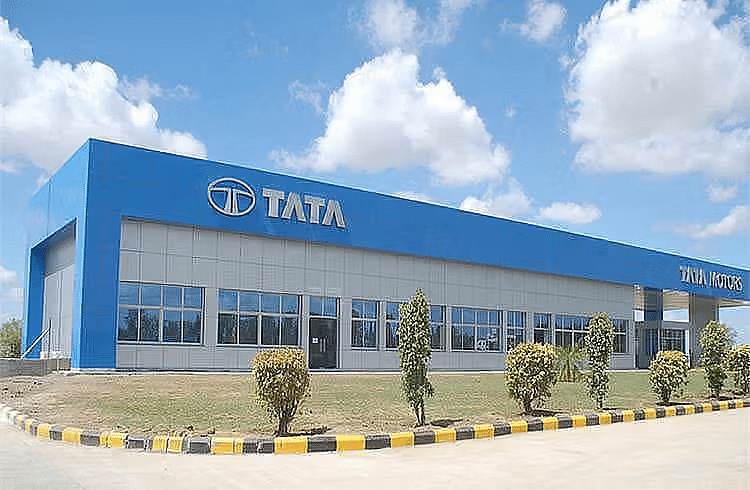
India’s Electric Two-Wheeler Market: A Battleground for Legacy and Startup Players
The Indian electric two-wheeler (E2W) market is witnessing a surge in both consumer interest and market entrants. This burgeoning sector is attracting not only established automotive giants, the legacy players, but also a plethora of innovative startups, each vying for dominance in this promising landscape. While legacy players bring established manufacturing prowess, extensive distribution networks, and brand recognition, startups offer disruptive technologies, agile business models, and a focus on niche customer needs. This dynamic interplay raises the crucial question: will legacy players leverage their existing strengths to squeeze out startups, or can these new entrants carve a sustainable space for themselves?
Legacy Players: Harnessing Existing Strengths
Traditional automotive manufacturers possess significant advantages in the E2W race. Their decades of experience in vehicle production translate into efficient manufacturing processes, robust supply chains, and established quality control measures. This allows them to scale production quickly and meet the growing demand for electric vehicles. Furthermore, their extensive dealer networks provide a ready-made infrastructure for sales, service, and after-sales support, ensuring widespread reach and customer accessibility. Moreover, their established brands carry significant weight with consumers, fostering trust and familiarity in a relatively new market segment.
Startups: Disrupting the Status Quo
Startups, however, are not without their own arsenal of competitive advantages. Unburdened by legacy systems and processes, they can embrace innovation and rapidly adapt to evolving market demands. Their agility allows them to experiment with new technologies, explore niche market segments, and develop specialized products that cater to specific customer preferences. Additionally, startups are often more adept at leveraging digital marketing and online sales channels, allowing them to connect directly with consumers and build brand loyalty through personalized engagement.
The Potential for Coexistence and Collaboration
While competition is inevitable, the E2W market offers ample space for both legacy players and startups to coexist and even collaborate. Legacy manufacturers can benefit from partnering with startups to access cutting-edge technologies and gain insights into evolving consumer preferences. Startups, in turn, can leverage the manufacturing expertise, distribution networks, and brand recognition of established players to accelerate their growth and reach a wider audience. This symbiotic relationship can drive innovation and accelerate the overall development of the E2W market.
Challenges and Opportunities for Startups
Despite the potential for collaboration, startups face significant challenges. Legacy players’ established market presence and financial muscle can create entry barriers for new entrants. Securing funding, building brand awareness, and establishing robust distribution networks are crucial hurdles that startups must overcome. Furthermore, navigating complex regulatory landscapes and ensuring adherence to evolving safety and emission standards require significant investment and expertise. However, government initiatives promoting electric mobility and increasing consumer awareness of environmental sustainability present significant opportunities for startups to capture market share and contribute to a cleaner transportation future.
The Future of India’s E2W Landscape
The future of India’s E2W market hinges on several factors, including government policies, technological advancements, and evolving consumer preferences. Government incentives and subsidies play a crucial role in driving adoption rates and encouraging investment in charging infrastructure. Continuous innovation in battery technology, charging solutions, and vehicle design will further enhance the appeal of electric two-wheelers. Consumer education and awareness campaigns are essential to dispel misconceptions about electric vehicles and highlight their environmental and economic benefits.
A Collaborative Ecosystem for Sustainable Growth
Ultimately, the success of India’s E2W market will depend on the ability of legacy players and startups to foster a collaborative ecosystem. Sharing best practices, collaborating on research and development, and working together to establish industry standards can pave the way for sustainable growth and ensure that this promising sector realizes its full potential. The competition between established giants and agile newcomers will undoubtedly shape the landscape, but a cooperative approach will ultimately benefit the entire industry and accelerate India’s transition towards a cleaner, greener transportation future. As both types of players contribute their unique strengths and navigate the evolving market dynamics, the Indian E2W sector is poised for a period of dynamic growth and transformation, offering exciting opportunities for innovation, investment, and job creation. The ultimate winners will be those who can adapt to the changing landscape, embrace collaboration, and deliver compelling products that meet the evolving needs of Indian consumers.