


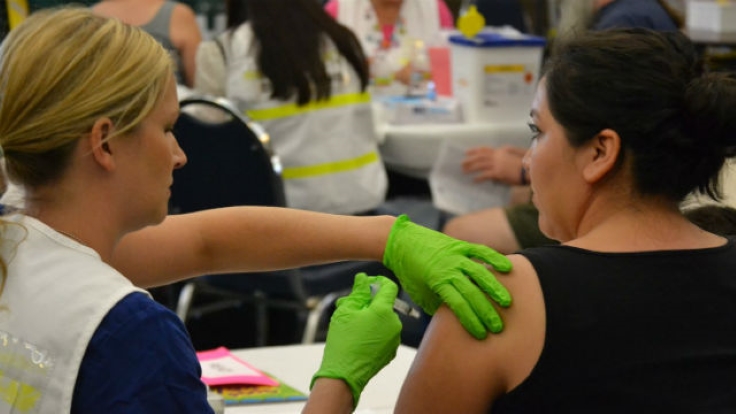
A Resurgence of Influenza: Vaccine Hesitancy Fuels a Deadly Flu Season
The United States is grappling with its deadliest flu season since 2018, a stark reminder of the ongoing battle against preventable diseases. Preliminary federal statistics reveal a grim reality: Flu-related deaths surged to a seven-year high in January and February, the peak months of the flu season. Approximately 9,800 lives were lost during this period, a significant increase from the 5,000 deaths recorded during the same timeframe in the previous year. This alarming trend has raised concerns among medical professionals and public health officials, prompting investigations into the contributing factors.
One key factor fueling this surge in flu deaths is the growing wave of vaccine hesitancy. This skepticism towards vaccines, fueled by misinformation and political rhetoric, has gained traction in recent years, contributing to declining vaccination rates across the country. As of early 2025, flu vaccine distribution was down 16% compared to 2022 levels. This decline in vaccine uptake leaves more individuals vulnerable to severe flu infections, increasing the risk of hospitalization and death. The situation is further complicated by the cancellation or postponement of crucial meetings by the U.S. Department of Health and Human Services to prepare for the next flu season. These meetings, where experts discuss anticipated influenza strains and vaccine strategies, are vital for pandemic preparedness and public health response.
The impact of vaccine hesitancy is evident in the geographical distribution of flu-related deaths. States like Oklahoma, Minnesota, Pennsylvania, South Dakota, and Kentucky have witnessed the highest death rates, with some counties experiencing rates as high as six deaths per 100,000 population. Older adults, white individuals, and American Indians have been disproportionately affected, highlighting the vulnerability of these demographics. Tragic stories of flu-related deaths have emerged across the country, impacting individuals of all ages and races, from a 43-year-old father in Indiana to two 10-year-olds in Maryland. These personal tragedies underscore the urgency of addressing vaccine hesitancy and improving public trust in vaccination efforts.
The current flu season has been particularly severe not only in the United States but also across the Northern Hemisphere. Experts attribute this severity to a combination of factors, including the prevalence of aggressive flu strains and the lowered vaccination coverage. The reluctance to embrace vaccines, fueled by misinformation and political distrust, has played a significant role in exacerbating the impact of the flu. The situation is reminiscent of the challenges faced during the COVID-19 pandemic, where vaccine hesitancy hampered efforts to control the spread of the virus. This highlights the interconnectedness of public health crises and the importance of addressing underlying issues of trust and misinformation.
The challenge of vaccine hesitancy is not limited to the flu vaccine. Similar patterns of distrust have been observed with other vaccines, including the COVID-19 vaccine. A study published in the medical journal Cureus revealed that three-quarters of patients in a rural New York community refused the flu vaccine, citing reasons like previous negative experiences with vaccines or a general disbelief in their necessity. These concerns, often rooted in misinformation or misunderstanding, underscore the need for clear and accessible communication about vaccine safety and efficacy. Another study published in the journal Vaccine found that refusal of both flu and COVID-19 vaccines stemmed from a sense of social vulnerability and distrust in government and medical institutions. This highlights the complex social and psychological factors that contribute to vaccine hesitancy.
Combating vaccine hesitancy requires a multi-pronged approach. While scientific data is crucial, it is often insufficient to sway deeply ingrained beliefs and fears. Building trust with communities, addressing concerns with empathy and respect, and providing accessible information through trusted healthcare professionals are essential steps. Public health campaigns should focus on the benefits of vaccination, emphasizing the role vaccines play in protecting individuals and communities from preventable diseases. Addressing the underlying factors that contribute to vaccine hesitancy, such as misinformation and distrust, is crucial for building a healthier and more resilient future. The current flu season serves as a stark reminder of the consequences of neglecting public health measures and the importance of continued efforts to promote vaccine confidence.