


Serbian Student Protests Face Disinformation Onslaught
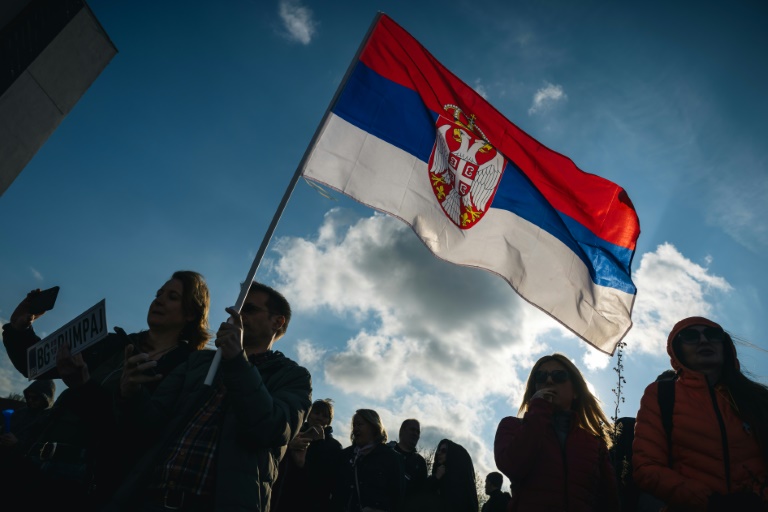
A wave of student-led protests has swept across Serbia following the tragic collapse of a train station roof in Novi Sad, which claimed the lives of 16 people. Public anger over the incident, attributed by many to government corruption and negligence, has fueled widespread demonstrations against President Aleksandar Vucic’s administration. However, the protests have been met with a concerted disinformation campaign orchestrated by pro-government media outlets and amplified through social networks, aiming to discredit the movement and undermine its credibility.
The pro-government media, which holds a dominant position in Serbia’s media landscape, has consistently portrayed the student protesters and their supporters as "foreign agents," violent agitators plotting a coup, and recipients of funding from opposition sources. Tabloids such as Kurir and Informer have published inflammatory articles accusing students of "terrorizing Belgrade" and receiving financial support from George Soros and USAID, fueling existing conspiracy theories and furthering public division. This narrative seeks to frame the protests as a foreign-backed attempt at destabilization, echoing similar tactics used to discredit pro-democracy movements in other countries.
The disinformation campaign extends beyond mere rhetoric, incorporating fabricated news stories and manipulated footage to depict protesters as instigators of violence. In one instance, students filming a docudrama about car ramming attacks targeting protests were falsely accused of perpetrating the attacks themselves. This tactic of inverting victimhood and portraying protesters as aggressors is a recurring theme in the disinformation campaign, aiming to erode public sympathy for the movement. These narratives not only demonize the students but also create a hostile environment where violence against protesters becomes more likely.
The pro-government media’s efforts to discredit the protests also include downplaying the size and significance of the demonstrations. Despite attracting tens of thousands of participants, these outlets frequently use older photos or footage of dispersing crowds to create the impression of lower turnout. Simultaneously, they exaggerate attendance at pro-government rallies, creating a skewed perception of public support. This manipulation of visual information is a crucial element of the disinformation campaign, aiming to portray the protests as a fringe movement lacking widespread support.
Furthermore, the disinformation campaign has targeted even high school students who joined the protests. Following President Vucic’s assertion that minors have no legal right to protest, pro-government media outlets echoed this claim, despite it being contradicted by the Serbian constitution and international conventions. This deliberate misrepresentation of legal rights underscores the campaign’s objective to suppress dissent and discourage participation in the protests, especially among younger segments of the population.
The student protesters, however, have actively resisted the disinformation campaign through various initiatives. They utilize social media platforms to expose false narratives propagated by pro-government media, and have established "Talk to a Student" booths across Serbia to engage directly with the public and counter misinformation. Furthermore, they have created online communities on platforms like Viber to answer questions and provide accurate information about the protests. These efforts represent a concerted pushback against the disinformation campaign, aiming to reclaim the narrative and maintain public trust. The students’ proactive approach highlights the growing importance of citizen-led fact-checking and information dissemination in countering disinformation campaigns.
The student protests, however, have actively resisted the disinformation campaign. They regularly turn to social media to expose perceived disinformation spread by pro-government media, and have set up “Talk to a student” stands across Serbia to engage with citizens about misinformation. They also created a group on messaging app Viber with more than 47,000 members to answer questions from the public, and have rallied outside the RTS and Informer offices. This ongoing struggle against disinformation highlights the importance of independent media and critical thinking in maintaining a healthy democracy, particularly in the face of powerful state-sponsored propaganda machines. The students’ resilience in the face of this coordinated disinformation campaign underscores their determination to fight for change despite the challenges they face. Their efforts demonstrate the vital role of grassroots activism in countering disinformation and promoting democratic values.