







# Ethnic Disinformation in Nigeria: A Growing Threat to National Cohesion
## The Rising Challenge of Identity-Based Misinformation
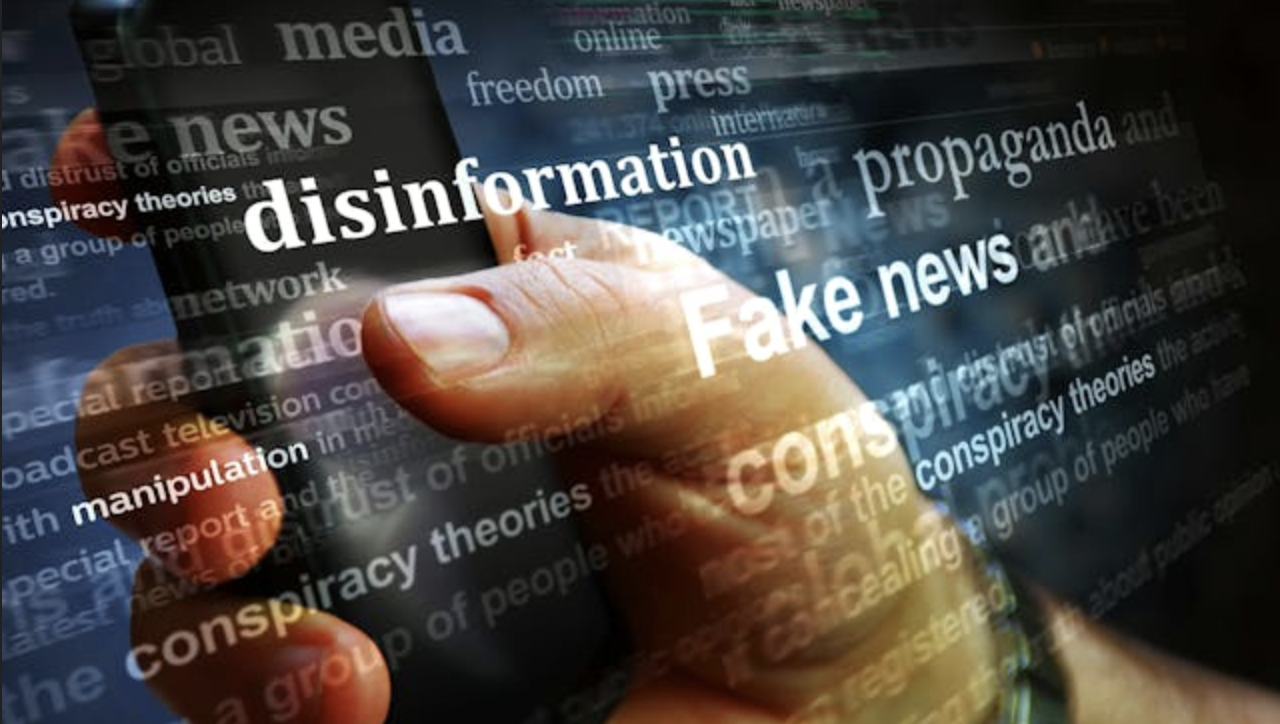
DISINFORMATION actors are increasingly exploiting Nigeria’s ethnic fault lines to spread false narratives and hate speech, reinforcing harmful stereotypes and turning ordinary incidents into weapons for fuelling hostility between communities. With millions of Nigerians consuming news and discussing politics on social media platforms, a misleading photograph, an old video or a fabricated claim can reach thousands of people within minutes. When such content is framed around ethnicity, its impact can be particularly dangerous because it does not simply mislead people about an event; it can encourage people to view an entire community with suspicion or hostility. This phenomenon represents a significant challenge to Nigeria’s social fabric, as the nation comprises more than 300 ethnic groups and over 500 languages, making it particularly vulnerable to identity-based manipulation.
Ethnic disinformation involves the deliberate creation, manipulation or dissemination of false or misleading information designed to influence how people perceive an ethnic group or to create hostility between ethnic communities. This form of information disorder takes various shapes and forms, from genuine photographs given false ethnic context to old crime reports presented as recent incidents, and from individual actions deliberately portrayed as evidence of the behaviour of an entire ethnic group. The sophistication and persistence of these campaigns have raised alarms among researchers, fact-checkers and civil society organisations who warn that such content has the potential to deepen existing divisions and undermine the foundations of Nigerian democracy. The problem has become so pervasive that experts now consider it one of the most significant threats to national unity and peaceful coexistence in the country.
## Tactics and Techniques Used by Disinformation Actors
Various accounts on social media platforms routinely recycle old news, manipulate media reports and use misleading visuals to portray rival ethnic groups negatively. Some accounts have pushed narratives portraying Yorubas as ritualists, drug traffickers and kidnappers, while others have used similar tactics to portray Igbos or Hausas negatively. These campaigns employ sophisticated techniques designed to bypass the scepticism of ordinary users and exploit the emotional responses that ethnic identity evokes. The FactCheckHub, a leading fact-checking organisation in Nigeria, has documented numerous instances where old videos and photographs were presented as evidence of recent events, with false captions designed to inflame ethnic tensions and provoke outrage.
For instance, a video showing a group of women holding tree branches and chanting “Igbo Must Go” resurfaced online in 2024 as though it showed a recent event, when in fact the video had been online for more than a year before the post was made. Similarly, a video trended on social media with a claim that it showed men from the Igbo ethnic group attacking an embassy in Dakar, Senegal, yet the FactCheckHub found that the video had been online since 2013 and showed a completely different incident. In another case, an image was used to claim that a Yoruba man had killed his sister for money rituals, but reverse-image searches revealed that the photograph originated from a murder incident in Ghana. These examples illustrate the systematic nature of ethnic disinformation campaigns and the challenges faced by fact-checkers and media consumers in distinguishing truth from falsehood.
## Political Exploitation and Electoral Manipulation
The 2023 general elections marked a particularly intense period of ethnic and political disinformation in Nigeria, with political competition increasingly becoming framed in ethnic terms, particularly in the contest between Peter Obi of the Labour Party and Bola Ahmed Tinubu of the All Progressives Congress. Obi was repeatedly portrayed as sympathetic to the Indigenous People of Biafra (IPOB), the south-eastern separatist group, while narratives around Tinubu focused on his choice of Kashim Shettima, a Muslim, as his running mate and the perceived exclusion of particular ethnic or religious groups. In Lagos, Obi’s victory in the presidential election also became the basis for narratives portraying Igbos as attempting to “take over” the state, leading to heightened ethnic hostility, particularly between Igbo and Yoruba communities.
While many citizens initially viewed competition between candidates and their supporters as a normal part of an election, some political actors and supporters amplified inflammatory comments and divisive narratives. In response, many citizens, feeling the need to defend their ethnic identities, were drawn into these narratives, further polarising the electorate along ethnic lines. The elections demonstrated how ethnic disinformation could be weaponised for political gain, with false narratives spreading rapidly through social media networks and influencing public perception and voting behaviour. The persistence of these narratives beyond the election period suggests that ethnic disinformation has become an entrenched feature of Nigeria’s information ecosystem, with implications for future electoral cycles and the overall health of democratic governance in the country.
## The Role of Artificial Intelligence and Amplification Networks
Ethnic disinformation and hate speech do not come from a single category of actor. Political actors may exploit ethnic grievances for mobilisation, influencers can amplify divisive narratives to large audiences, while anonymous or pseudonymous accounts can repeatedly push inflammatory claims with little accountability. The challenge is further complicated by the emergence of artificial intelligence, which has made the problem even more difficult to detect. Generative AI can produce realistic images, clone voices, create synthetic videos and alter existing photographs, meaning future ethnic disinformation campaigns may no longer depend primarily on recycling old photographs or videos. This technological advancement presents new challenges for fact-checkers, media organisations and platforms attempting to identify and counter false narratives.
Disinformation can sometimes be spread by networks of accounts rather than a single user, with one account publishing a claim while others repost it, add inflammatory captions or present the same allegation as independent confirmation. This coordinated amplification makes unverified claims appear credible and creates the illusion of widespread support or concern. Repetition is a key tactic, as seeing the same claim multiple times increases its perceived legitimacy and makes it more likely to be accepted and shared by unsuspecting users. The history of accounts publishing such content provides important context, as an account that repeatedly posts sensational crime stories involving one ethnic group, uses ethnic slurs or publishes misleading content targeting the same community may be pushing a broader narrative rather than simply sharing an isolated falsehood. Checking previous posts can therefore reveal patterns that might not be obvious from a single viral post.
## Expert Concerns on Societal Impact and Escalation
Raji Olatunji, a disinformation analyst with the Centre for Democracy and Development (CDD) West Africa, told the FactCheckHub that disinformation poses serious risks to inter-ethnic relations in Nigeria because it reinforces negative stereotypes and false narratives that can escalate tensions. He noted that the actions of those spreading such falsehoods could have dangerous consequences, including inciting hate crimes against targeted communities, deepening existing biases and fostering hostility among ethnic groups. “The dangers can be far-reaching for Nigeria’s political stability and social cohesion. As it fuels sectarian tensions, it creates more divisions within societies, and the public perception of the country’s ability to conduct free and fair democratic processes becomes negative. By implication, it undermines trust in both public and political institutions,” Olatunji said.
Adejumo Kabir, a senior researcher at Pan-African think tank Good Governance Africa, explained that ethnic disinformation and hate speech could transform the 2027 election from a contest over competing visions for Nigeria into one increasingly driven by identity, fear and suspicion. “Ethnic disinformation is dangerous because it promotes profiling and collective blame. When an individual’s crime is attributed to an entire ethnic group, it creates an ‘us versus them’ mentality, deepens mistrust and reinforces stereotypes. Old or manipulated videos make this worse, as false narratives can spread widely before they are debunked. Unfortunately, many people may never see the correction. Such narratives will deepen social divisions and influence political choices through fear and identity rather than issues,” he said. Kabir added that a second concern is electoral violence, particularly when fabricated videos or false reports of attacks circulate during periods of heightened tension. “There is also a longer-term governance implication. Democracy requires citizens to disagree without treating disagreement as a justification for hostility,” he said.
## Motivations, Countermeasures and the Path Forward
Kabir noted that those who may benefit from ethnic disinformation include politicians, partisan supporters, influencers seeking engagement, coordinated online networks and individuals pursuing selfish interests to deliberately destabilise communities. “Their motivations could be to mobilise voters by creating an identity-based sense of threat. For online influencers, content that provokes anger, fear or indignation tends to attract engagement, which can translate into followers and financial income. Once citizens begin to consume information primarily through ethnic or political identity, they become less likely to question information that confirms their existing beliefs,” he concluded. Olatunji pointed to the need for strategic and strengthened partnerships among key stakeholders to combat ethnic-targeted disinformation in Nigeria. He highlighted the role of social media platforms in addressing the problem and stressed the need for algorithmic changes to curb the spread of harmful narratives while ensuring the effective implementation of robust content-moderation policies.
According to Olatunji, these efforts should involve credible civil society organisations and fact-checkers that can provide cultural context and help identify problematic content. He also called on government agencies to take a more proactive approach to monitoring disinformation and, where appropriate, holding those responsible accountable. “Massive media literacy and community-based educational programmes need to be deployed as part of the public awareness campaigns against such disinformation narratives,” he concluded. As Nigeria approaches the 2027 general election, the lessons learned from the 2023 experience suggest that without concerted action to address ethnic disinformation, the country risks further polarisation and conflict. The challenge requires a multi-stakeholder approach involving platforms, government, civil society, media organisations and citizens themselves, all working together to build resilience against information disorder and protect the nation’s democratic fabric from those who seek to exploit ethnic divisions for selfish purposes.


