


Paragraph 1: The Deluge and the Digital Shadow
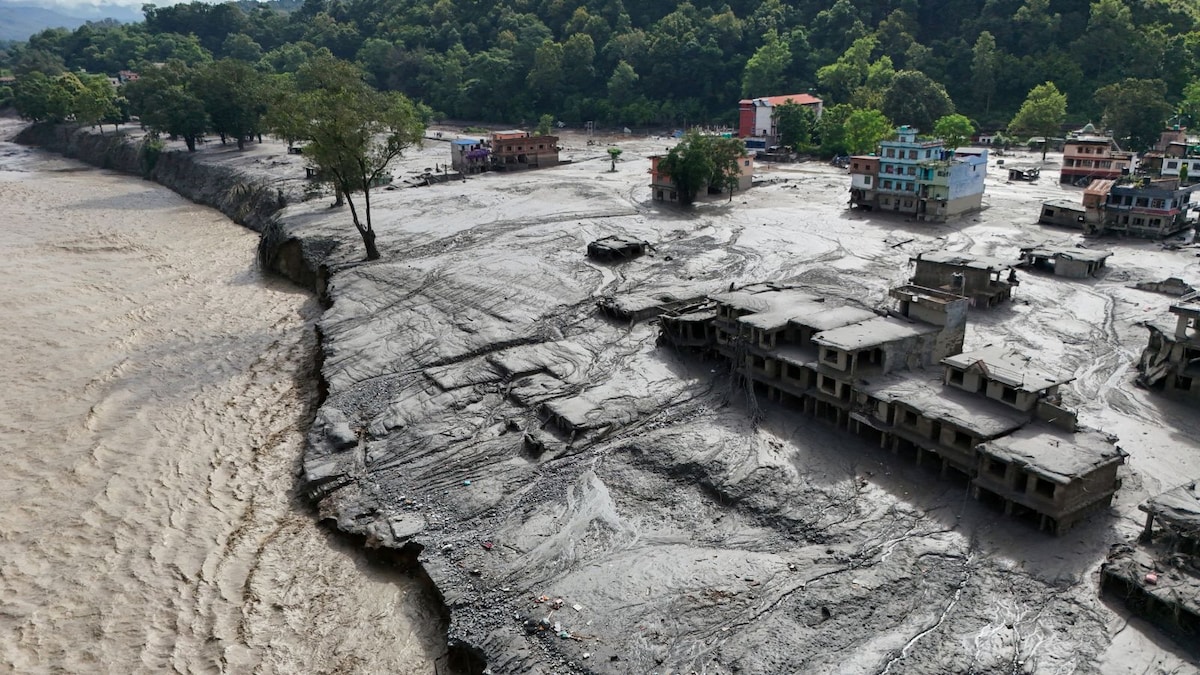
The catastrophic flash floods that have ravaged Nepal have tragically escalated, with the death toll soaring to 538 as of Friday, August 28th. Rescue teams, stretched to their limits, continue to sift through the mud, debris, and wreckage of devastated villages along the swollen riverbanks, while tens of thousands remain displaced in temporary shelters. However, a secondary, insidious crisis is unfolding parallel to the physical rescue efforts: a digital deluge of deceptive content. As harrowing images of the disaster dominate global headlines, social media platforms are being flooded with AI-generated videos purporting to show the Nepal floods. These manipulated clips, often depicting absurdly exaggerated or utterly fictional scenes of destruction, are rapidly gaining millions of views, stoking public panic and diverting critical attention from verifiable news. This phenomenon is not isolated to South Asia; the same synthetic media is being weaponized and attached to other trending events—from wildfires in Europe to earthquakes in Turkey—demonstrating a disturbing new reality where viewers can no longer believe their own eyes when witnessing breaking news unfold in the digital sphere.
Paragraph 2: The New Face of Disaster Misinformation
The proliferation of these fake videos is a direct consequence of the explosive advancement in generative artificial intelligence. In the past year, text-to-video models like Sora, Runway Gen-2, and Pika have evolved from producing disjointed, cartoonish clips to generating hyper-realistic, high-definition footage of catastrophic scenes. During a disaster, the chaotic, rapidly changing environment creates a perfect veil for fraudsters; viewers are often so emotionally overwhelmed that they fail to scrutinize the technical details of a clip. Perpetrators range from cynical “engagement farmers” aiming to monetize virality, to malicious actors seeking to sow discord or manipulate public perception regarding government response efforts. The specifics of a prompt are simple—”aerial view of a massive flooded city, debris flowing, dramatic lighting”—yield a convincing, albeit fabricated, apocalyptic panorama in under a minute. Consequently, every major calamity now instantly births a cluster of fakes that race across TikTok, X (formerly Twitter), and Instagram, often appearing minutes before official broadcasters can even compile legitimate drone footage from the actual affected zones.
Paragraph 3: Spotting the Fakes – The Time and Visual Limitations
While AI technology has advanced, it is far from flawless, and two critical red flags can immediately expose most generated videos. The first is the duration. Most freely accessible and consumer-grade AI video generators are technically constrained to producing clips that last anywhere from five to fifteen seconds. If you encounter a viral clip that is exceptionally short—perhaps being looped repeatedly to simulate a longer event—this is a massive indicator of synthetic origin. The second, and more reliable, clue lies in the visual inconsistencies that plague generative models. While they excel at broad textures and atmospheric lighting, they universally struggle with physical laws and fine spatial coherence. Watch closely for objects that indiscriminately morph or disappear between frames—a car that transforms into a piece of debris as it floats by, or a building that loses its windows. Pay attention to the water itself; AI-generated floodwater often defies gravity, flowing in unnatural patterns, lacking proper turbulence around obstacles, or possessing an eerie, glossy, surreal uniformity. Furthermore, scrutinize the people. Faces in the background often feature warped noses, extra fingers, or unnatural, glassy-eyed expressions, and their shadows may fall in conflicting directions relative to the light source. If the “victims” seem to lack genuine, panicked micro-expressions, treat the footage with intense suspicion.
Paragraph 4: The Verification Arsenal – Reverse Searching and Cross-Referencing
For those attempting to verify a suspicious video, sophisticated yet accessible forensic tools exist. The most effective method for a quick check is to utilize a reverse image search on keyframes extracted from the clip. Tools like InVID/WeVerify are specifically designed for journalists and fact-checkers; they allow a user to pause the video at crucial intervals, extract individual frames, and run these images through Google Lens or Yandex. This process will quickly reveal if the exact same image or footage was used in an old video from a different country or an entirely unrelated past event. Crucially, you should cross-reference the content with reputable news agencies. If a clip purports to show a major bridge collapse in Nepal, but the Associated Press, Reuters, AFP, or major national broadcasters (like BBC or CNN) do not have matching footage, the video is almost certainly fabricated. The absence of mainstream coverage does not definitively prove a video is fake—breaking stories can take hours for newsrooms to verify and broadcast—but the presence of legitimate reporting that contradicts the visuals is an absolute death knell for authenticity. Furthermore, real footage is almost always accompanied by ambient audio; AI-generated viral clips are frequently set to somber music or have heavily distorted or entirely silent audio tracks, masking the model’s inability to generate realistic, environment-specific sound.
Paragraph 5: Metadata and Detection Software – The Hidden Fingerprints
Digital forensics offers a deeper layer of verification for the technically inclined. AI detection software, such as deepfake analyzers, which examine pixel-level anomalies, temporal inconsistencies (like irregular blinking or flickering), and latent generative artifacts, can provide a strong probability score regarding a video’s authenticity. While no detector is 100% accurate—compression from social media sites often degrades quality and confuses algorithms—a high “fake” confidence score combined with other red flags is substantial corroboration. Moreover, checking the file’s metadata (EXIF data) can be revealing. If you are able to download the original file, right-clicking and selecting “Properties” (or using an online EXIF viewer) will show the software used to create it. Legitimate phone footage will typically list a smartphone manufacturer (Apple or Samsung) and a GPS location. In contrast, files generated by AI often contain metadata referencing specific generative software, or, crucially, have all metadata stripped clean—a hallmark of manipulation, as social media shares typically retain at least a basic upload timestamp. However, users must be aware that apps like WhatsApp, Instagram, and TikTok routinely strip metadata for privacy, so a lack of metadata from a downloaded social media video is not damning on its own; it simply necessitates stronger reliance on the visual checks mentioned previously.
Paragraph 6: The Source Account and The Broader Peril
Finally, and perhaps most accessibly, investigating the provenance of the post itself offers the strongest clue. Check the account that uploaded the video. Was the account created days or weeks ago? Does it have a bizarre posting history—for instance, a page that usually posts meme-related content suddenly uploading breaking news footage? Are there multiple videos of different disasters posted with high frequency, suggesting a “digital sweatshop” dedicated to faking content? Accounts that are newly minted, lacking geographic footprint, and exclusively engaged in posting sensational and tragic clips should be immediately disregarded and reported. Ultimately, the emergence of these synthetic videos during the Nepal floods is a stark warning about the diminished trust in visual information in the modern age. While genuine suffering demands global empathy and immediate action, we must cultivate a vigilant skepticism. Before sharing that gut-wrenching video, pause, apply these checks, and ask yourself if this is a real moment of human tragedy or a manufactured illusion designed only to harvest clicks and exploit grief. In the race to inform during a fast-moving crisis, ensuring the accuracy of what we share is the most vital form of aid we can offer—preventing the digital deluge from drowning out the truth of the physical one.