


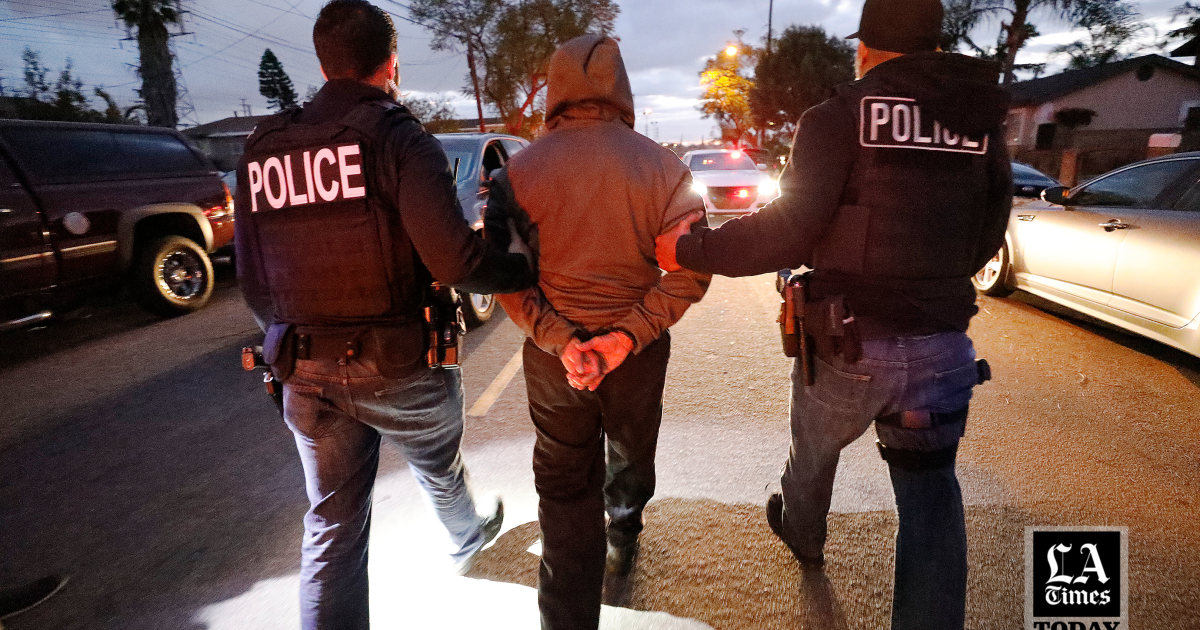
“Mr. Checkpoint” Sheds Light on ICE Raids, Sparking Public Debate and Community Response
The digital age has brought a new dimension to Immigration and Customs Enforcement (ICE) operations, with citizen journalists like Sennett Devermont, known online as “Mr. Checkpoint,” documenting and broadcasting these often-controversial raids in real-time. Devermont’s work, along with similar accounts, has thrust ICE activities into the public spotlight, generating intense scrutiny, sparking protests, and raising complex questions about immigration enforcement, transparency, and the role of citizen journalism in the current political climate. This heightened awareness has led to both increased support for and opposition to ICE practices, creating a polarized landscape where the legal and ethical implications of these raids are hotly debated.
ICE raids, historically conducted with a degree of secrecy, now face the unblinking eye of smartphone cameras and live-streaming platforms. Devermont and others like him position themselves near known ICE checkpoints or areas of suspected activity, documenting encounters between agents and individuals. This live coverage alerts communities to ongoing raids, allowing family members to track the whereabouts of detained individuals and enabling rapid response from legal aid organizations and advocacy groups. The immediacy of this information dissemination also galvanizes protests and counter-demonstrations, drawing crowds of onlookers and creating volatile situations on the ground. This new dynamic of public observation has undeniably changed the landscape of immigration enforcement, forcing ICE operations into a greater degree of visibility and accountability.
The rise of “Mr. Checkpoint” and similar citizen journalists raises a number of crucial questions. Supporters argue that this documentation provides essential transparency, holding ICE accountable for potential abuses of power and ensuring that the public is informed about the realities of immigration enforcement. They maintain that these actions serve as a critical check on government power and a vital tool for protecting vulnerable communities. On the other hand, critics argue that these activities may obstruct law enforcement operations, compromise the safety of ICE agents, and potentially warn individuals involved in illegal activities, allowing them to evade apprehension. This debate highlights the inherent tension between transparency and security, a complex issue with no easy answers.
The impact of real-time documentation on the communities targeted by ICE raids is multifaceted and profound. While the immediate alerting function can help families locate detained loved ones and connect them with legal support, it also instills fear and distrust within immigrant communities. The constant threat of exposure and apprehension creates a climate of anxiety, forcing individuals to live in the shadows and avoid interacting with social services or law enforcement, even in cases of genuine need. This chilling effect can have long-lasting consequences for the well-being of these communities, hindering integration and contributing to social isolation.
Beyond the immediate impact on targeted communities, the widespread dissemination of ICE raid footage through social media and news outlets fuels the national conversation on immigration. The often-graphic and emotionally charged content of these videos forces viewers to confront the human implications of immigration policies and the complex dilemmas faced by both immigrants and law enforcement officials. This increased visibility can lead to greater public empathy and support for immigrant rights, but it also fuels anti-immigrant sentiment and strengthens calls for stricter enforcement measures. The polarized nature of the issue is reflected in the online discourse surrounding these videos, where passionate arguments from both sides of the debate often devolve into unproductive exchanges.
The future of citizen journalism in the context of ICE raids remains uncertain. As technology continues to evolve, providing ever-more accessible and powerful tools for documentation and dissemination, the role of individuals like “Mr. Checkpoint” is likely to expand. This raises further questions about the legal and ethical boundaries of such activities, the potential for misinformation and manipulation, and the long-term consequences for both immigrant communities and the broader societal debate on immigration. Balancing the need for transparency and accountability with the imperative to maintain public safety and protect vulnerable populations will require ongoing dialogue and a nuanced understanding of the complex forces at play in this evolving landscape. As the nation grapples with these complex issues, the actions and impact of citizen journalists like “Mr. Checkpoint” will remain a focal point of contention and a driving force in shaping the future of immigration enforcement and public discourse.