


House Launches Probe into Rampant Fake News and Disinformation
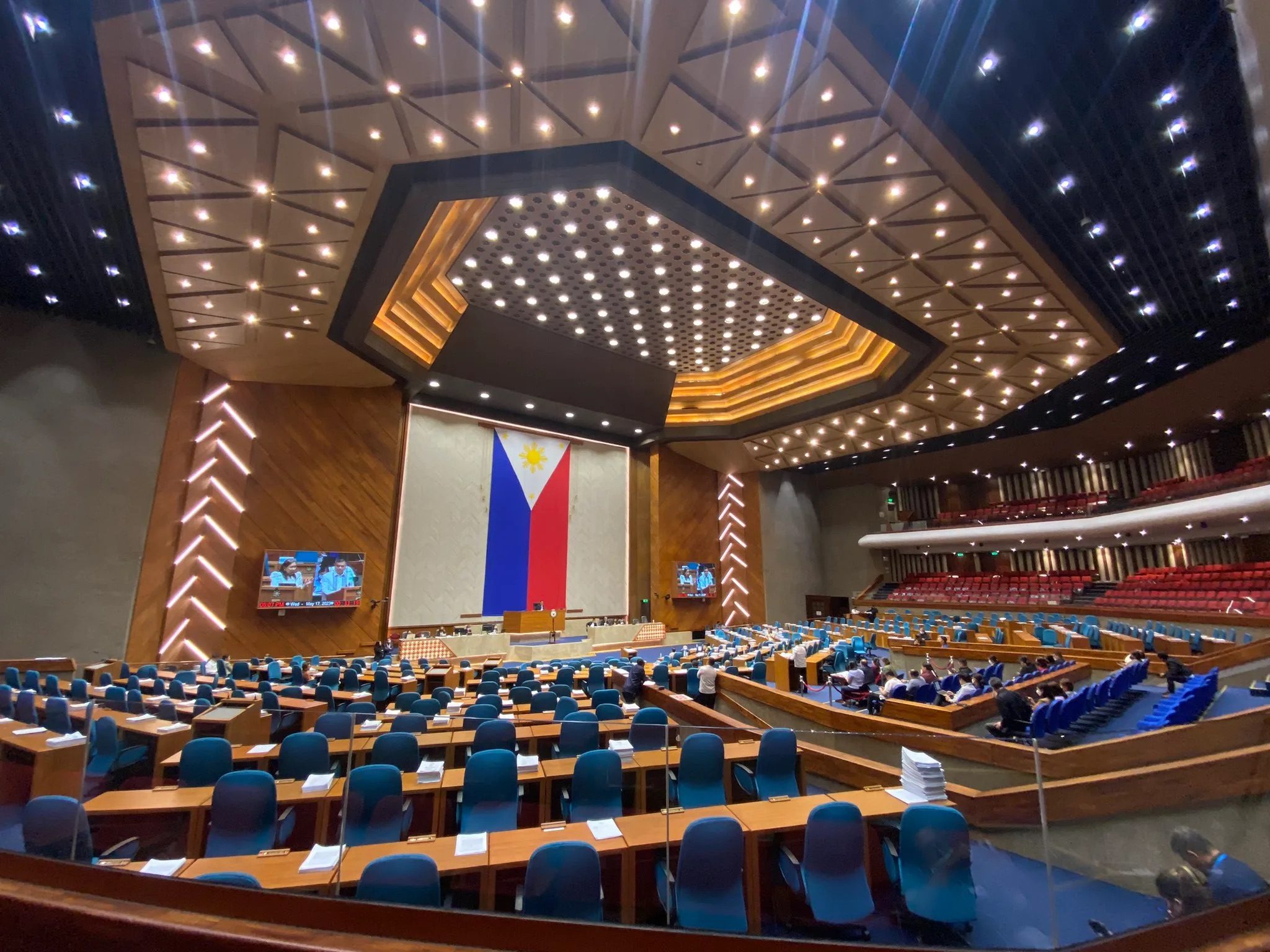
The Philippine House of Representatives has initiated a comprehensive investigation into the pervasive issue of fake news and disinformation proliferating across various media platforms. A newly formed "Tri-Comm" committee, comprised of representatives from the committees on public order and safety, public information, and information and communications technology, will spearhead the inquiry. Led by Laguna Representative Dan Fernandez, the committee aims to address the growing concern over the manipulation of information and its impact on the Filipino public. The first hearing, scheduled for Tuesday, February 4th, will feature a diverse group of individuals and organizations, including online personalities, social media platform representatives, and law enforcement agencies.
The House Tri-Comm has extended invitations to a wide range of online personalities, with a notable presence of pro-Duterte figures. This list includes former broadcaster Jay Sonza, prominent bloggers Sass Rogando Sasot, Mark Anthony Lopez, Lord Byron Cristobal, and Krizette Lauretta Chu, as well as actress-turned-blogger Vivian Velez and former press secretary-turned-blogger Trixie Cruz-Angeles. Controversially, the list also includes Lorraine Marie Tablang Badoy-Partosa, a known red-tagger previously cited in contempt by the House for providing false testimony during an earlier inquiry. Her inclusion, along with that of SMNI co-host Jeffrey Almendras Celiz, who also faced scrutiny for disseminating unverified information about House Speaker Martin Romualdez’s travel expenses, has raised questions about the committee’s objectivity.
Beyond the politically charged figures, the guest list encompasses a broader spectrum of online influencers, commentators, and bloggers. This diverse group includes individuals such as Malou Tiquia, MJ Quiambao Reyes, Ethel Pineda, Alex Destor, Aaron Peña, Glen Chong, Manuel Mata Jr., Elizabeth Joie Cruz, Claro Ganac, Claire Eden Contreras, Jonathan Morales, Cyrus Preglo, Maricar Serrano, Ernesto S. Abines Jr., Julius Melanosi Maui, Darwin Salceda, Elmer Jugalbot, Cathy Binag, MJ Mondejar, Suzanne Batalla, Joe Smith Medina, Jeffrey G. Cruz, Alven L. Montero, Kester Ramon John Balibalos Tan, Edwin Jamora, Ma Florinda Espenilla-Duque, Dr. Richard Tesoro Mata, Ahmed Paglinawan, Ryan Lingo, Atty. Enzo Recto, and Ross Flores Del Rosario. Their inclusion aims to provide a multifaceted perspective on the dissemination and impact of online information.
Recognizing the crucial role of social media platforms in the spread of misinformation, the House Tri-Comm has also summoned representatives from tech giants Google, Meta (Facebook), and ByteDance (TikTok). These platforms have become breeding grounds for disinformation campaigns, ranging from false health claims to fear-mongering narratives, posing a significant threat to public discourse and trust. The committee seeks to engage with these companies to explore ways to enhance platform accountability and curb the proliferation of harmful content.
In addition to online personalities and social media platforms, the House Tri-Comm has invited representatives from key law enforcement agencies. The National Bureau of Investigation (NBI), the Philippine National Police (PNP), and the Department of Justice (DOJ) are expected to provide insights into the regulatory and enforcement challenges they face in combating fake news and disinformation. Their expertise will be crucial in developing effective strategies to address the issue from a legal and enforcement perspective.
The House initiative comes against a backdrop of growing public concern about the pervasiveness of fake news. A 2022 Social Weather Stations survey revealed that a significant portion of Filipinos find it challenging to distinguish between credible and fabricated information on various media platforms. The survey also highlighted the widespread recognition of the seriousness of the online fake news problem. Furthermore, the increasing use of artificial intelligence to generate and disseminate disinformation adds another layer of complexity to the challenge.
The House Tri-Comm aims to explore several potential solutions to combat the spread of fake news and disinformation. These include holding social media platforms more accountable for the content shared on their platforms, potentially through the imposition of fines for repeat offenders. The committee also plans to investigate ways to enhance digital literacy programs nationwide to empower citizens to critically evaluate online information and identify misinformation. Ultimately, the goal is to develop and implement stricter legislation to effectively address this growing threat to public discourse and democracy. The committee’s efforts represent a significant step towards tackling the complex issue of online disinformation and ensuring a more informed and resilient society.