









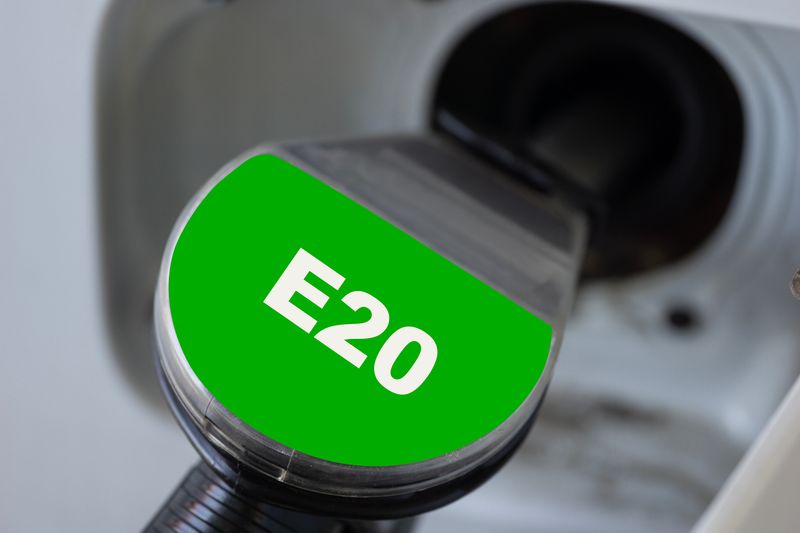
The Bharat Independent Ethanol Producers Association (BIEPA) has issued a formal appeal to the public, expressing deep concern over the proliferation of misinformation regarding E20 petrol on social media platforms. The organization asserts that viral claims suggesting the fuel causes severe engine damage, significant drops in mileage, and excessive water consumption are entirely unfounded. According to BIEPA, these narratives lack any backing from scientific research, rigorous industry testing, or real-world operating data, posing a threat to the public perception of a critical national energy initiative.
The association emphasizes that India’s nationwide rollout of E20 fuel is a landmark achievement in the country’s clean energy transition. By creating unnecessary confusion, the spread of unverified claims threatens to undermine an infrastructure program that provides substantial economic and environmental benefits. BIEPA is urging motorists and the general public to prioritize official guidance from credible sources, including the Government of India, vehicle manufacturers, and oil marketing companies, over anecdotal or unsubstantiated claims circulating online.
Highlighting the fiscal and agricultural success of the Ethanol Blended Petrol (EBP) Programme, the Ministry of Petroleum and Natural Gas notes that the initiative has saved India over Rs 1.90 lakh crore in foreign exchange since 2014–15. Beyond reducing dependency on costly crude oil imports, the program has bolstered the rural economy by providing a reliable market for surplus agricultural produce, such as maize, broken rice, and sugarcane. This shift not only strengthens energy security but also serves as a vital economic engine for millions of Indian farmers.
Pushpinder Singh, President of BIEPA, reaffirmed that the E20 mandate is built upon a foundation of extensive scientific trials and collaborative testing with automotive leaders and research institutions like the Automotive Research Association of India (ARAI). He stressed that consumers can utilize E20 with full confidence, noting that the fuel is specifically formulated for compatibility with modern engines. BIEPA clarified that using BIS-compliant E20 petrol from authorized retail outlets does not invalidate vehicle warranties or insurance policies, effectively debunking one of the most common concerns cited by consumers.
Technically, BIEPA addressed specific myths aimed at alarming drivers. Regarding engine health, the association stated that no credible evidence has linked E20 to widespread failures. While acknowledging a minor difference in energy density, they clarified that the higher-octane rating of ethanol supports efficient combustion, meaning any potential impact on fuel economy is marginal—typically within the 2–6% range—rather than the drastic losses suggested by rumor-mongers. The association further highlighted that modern ethanol production utilizes advanced water recycling and zero-liquid discharge systems, ensuring the process remains environmentally sustainable.
Looking at the broader international context, BIEPA emphasized that ethanol blending is a globally proven practice utilized for decades in major economies like Brazil, the United States, Japan, and Indonesia. By aligning with these international standards, India is effectively utilizing its agricultural surplus to cut carbon emissions and move toward a sustainable future. The association maintains that the transition to E20 is a safe, necessary, and scientifically validated step that benefits both the individual driver and the nation’s long-term economic and energy goals.


