







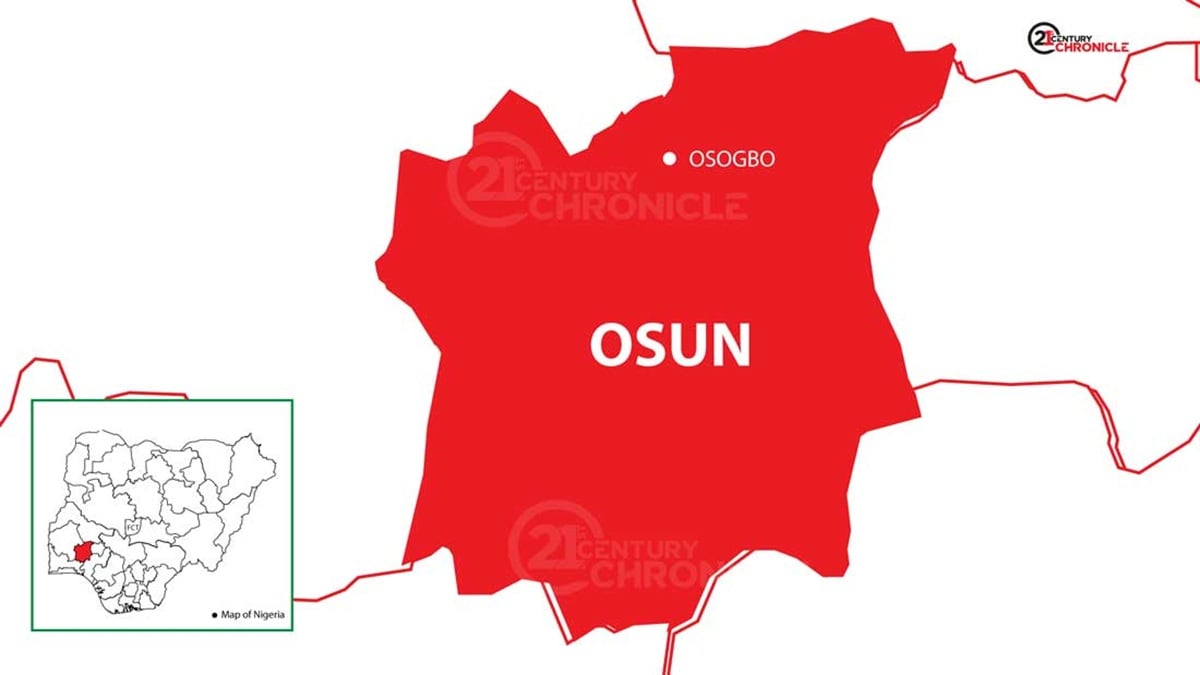
As the August 15, 2026, Osun State governorship election draws near, the Election Observation Hub, operating under the European Union Support to Democratic Governance in Nigeria Phase II (EU-SDGN II), has issued a stern warning regarding the integrity and security of the upcoming poll. Comprised of seven prominent civil society organizations—including Yiaga Africa, The Kukah Centre, the International Press Centre (IPC), and others—the coalition characterized the election as a vital stress test for Nigeria’s broader democratic processes ahead of the 2027 general elections. Their pre-election assessment, unveiled in Osogbo, highlights an environment fraught with systemic risks that threaten to compromise the democratic exercise.
The assessment identifies a volatile political climate, pinpointing 13 of the state’s 30 local government areas as high-risk flashpoints. Areas such as Osogbo, Irewole, Boripe, and parts of Ijesaland have been flagged for potential electoral violence, driven by politically motivated attacks and persistent tensions. This heightened instability is exacerbated by an intensely competitive race involving Governor Ademola Adeleke (Accord Party), Asiwaju Bola Oyebamiji (APC), and Najeem Salaam (ADC). Furthermore, a lingering dispute regarding local government administration has intensified polarization, with the coalition warning that any lack of transparency in managing council leadership could serve as a catalyst for localized conflict.
Regarding the readiness of the Independent National Electoral Commission (INEC), the Hub notes the completion of Continuous Voter Registration for 2.33 million voters and the planned deployment of the Bimodal Voter Accreditation System (BVAS) and the IReV portal. However, the coalition emphasizes that technical readiness is only one component of a successful election. They stressed that INEC’s performance hinges on the timely release of operational funds, efficient logistics management, and the rigorous training of approximately 17,500 ad-hoc personnel. Particular attention was drawn to the need for assistive devices to ensure that Persons with Disabilities can exercise their franchise in an inclusive environment.
The information landscape in Osun is also a primary concern for the coalition, which described the state’s media environment as vibrant yet deeply polarized. The report warns that the unchecked proliferation of misinformation and disinformation on social media platforms remains a significant threat to an informed electorate. Moreover, the safety of journalists is under scrutiny, as the coalition expressed apprehension regarding the physical and economic security of media professionals tasked with covering the election. This digital and physical volatility threatens to distort the public discourse and diminish the quality of electoral participation across the state.
Beyond issues of violence and information, the Hub raised alarms over the systemic exclusion of vulnerable demographics. Despite women, youths, and Persons with Disabilities forming a substantial portion of the registered voter base, their representation in the electoral contest is remarkably low, with only one female candidate vying for the governorship. Simultaneously, public confidence in the neutrality of security agencies remains fragile. Allegations of partisanship during the local government administrative crisis have cast doubt on the police force, prompting the coalition to call for an intelligence-led security deployment that prioritizes professionalism and strict adherence to the rule of law.
In its concluding recommendations, the Election Observation Hub called for a unified effort to safeguard the democratic process. They urged political parties to commit to the Osun State Peace Accord, explicitly rejecting vote-buying, hate speech, and political violence. The coalition advocated for a transparent collation process by INEC and mandated that security agencies protect the sanctity of the vote for all participants. As the coalition prepares to deploy long-term and short-term observers across the state, they underscored the importance of conflict-sensitive reporting and sustained vigilance by civil society to ensure that the August 15 election remains a credible reflection of the people’s will.


