









The digital revolution has fundamentally altered the landscape of modern democracy, offering unprecedented opportunities for civic engagement while simultaneously exposing the system to profound new vulnerabilities. While the speed of information dissemination and the ability for citizens to interact directly with political leaders have theoretically empowered the electorate, these advancements have invited a darker byproduct. The proliferation of misinformation has evolved into an era of calculated disinformation, where the mechanics of connectivity are weaponized to distort the truth and manipulate public perception at an alarming scale.
This threat has reached a critical inflection point with the rapid advancement of artificial intelligence. In the high-stakes theater of an election, AI-generated fabrications—ranging from deepfake video footage and doctored images to entirely synthesized fraudulent statements—can now saturate the public consciousness in mere minutes. Because these malicious campaigns spread faster than the truth can be verified, they possess the power to polarize the electorate, amplify existing social divisions, and erode the foundational trust that democratic institutions rely upon to function effectively.
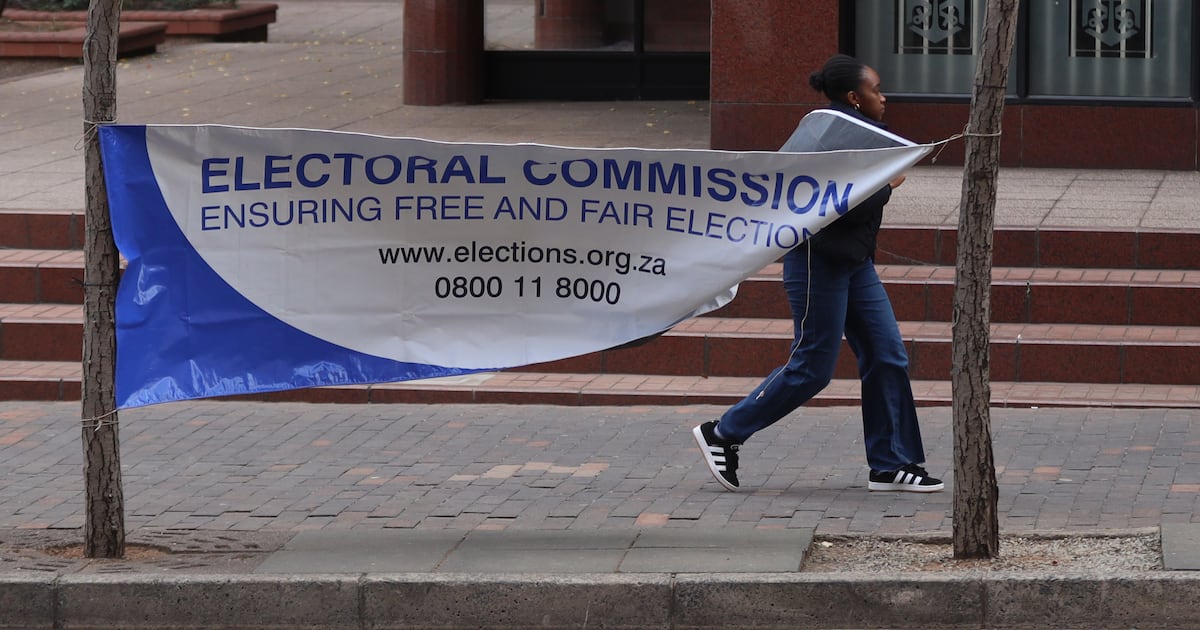
In response to this existential challenge, the Electoral Commission of South Africa (IEC) has introduced transformative draft regulations, published on June 30, that aim to restore accountability to digital campaigning. By seeking to expand the electoral code to govern online political activity, the commission is acknowledging a fundamental truth: a healthy democracy is incompatible with systemic voter deception. These standards represent a necessary defensive mechanism to ensure that the political arena remains a forum for substantive debate, policy comparison, and leadership evaluation, rather than a scorched-earth competition of manufactured falsehoods.
A pivotal component of the IEC’s proposal is the mandate for political parties to bolster the security of their digital infrastructure. For too long, organizations have evaded responsibility for inflammatory or toxic content by conveniently blaming anonymous hackers or external infiltrators. By compelling parties to take ownership of their communication channels and implement robust security protocols, the commission is closing a convenient loophole that has frequently allowed disinformation to thrive under the guise of “unknown third parties.”
While some detractors posit that increased regulation threatens the sanctity of free speech, this argument conflates genuine democratic expression with the malicious manipulation of an electoral process. The right to free speech is not an absolute license to deceive the public or destabilize the democratic mandate through intentional fraud. Protecting the integrity of the ballot box is, in fact, a prerequisite for protecting free speech, as a society misinformed by systemic lies cannot exercise true agency at the polls. Rather than being contradictory, the regulation of digital campaign ethics and the preservation of civil liberties are complementary, mutually reinforcing objectives.
As South Africa navigates this testing era, the IEC’s proactive stance offers a vital blueprint for preserving the future of its democratic project. The proposed regulations are not merely bureaucratic updates; they are a necessary bulwark against the tide of digital deception that threatens to swamp public trust. If South Africa’s democracy is to maintain its credibility in the 21st century, political parties, stakeholders, and the voting public must move toward universal support for these standards, recognizing that in a world where speed facilitates falsehood, the defense of truth is a primary democratic obligation.


