








The Sunscreen Debate: Separating Scientific Evidence from Social Media Misinformation
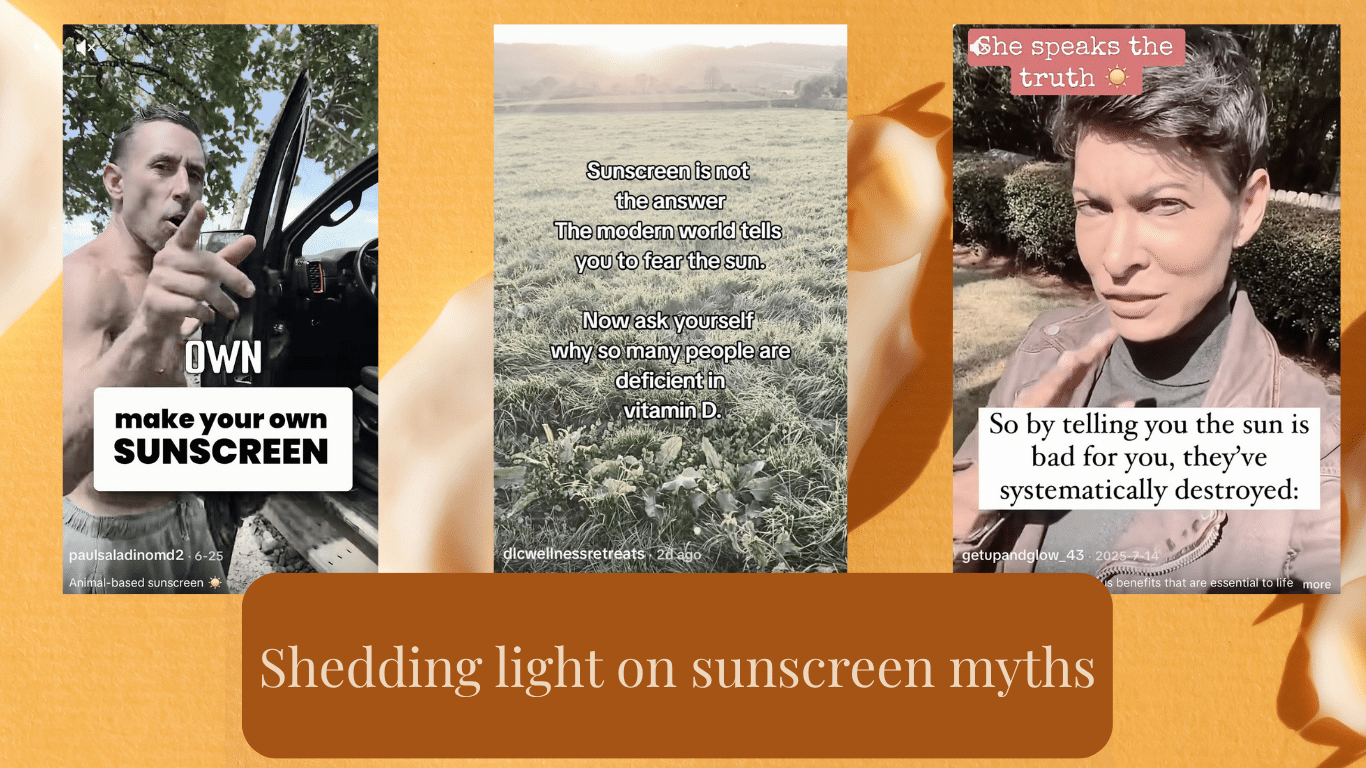
Despite clear scientific consensus on the health risks associated with unprotected sun exposure, a growing wave of misinformation on social media is discouraging the use of sunscreen. Wellness influencers and online narratives frequently frame sun exposure as a purely “natural” and life-giving activity, often utilizing the “appeal to nature” fallacy to argue that modern sun protection is unnecessary or even toxic. This trend has had a tangible impact, particularly among young adults; a 2024 American Academy of Dermatology survey revealed that nearly half of adults aged 18 to 26 are unaware of the risks of sunburn, leaving them significantly more vulnerable to skin cancer.
A primary pillar of anti-sunscreen sentiment relies on black-and-white thinking, which dismisses the hazards of ultraviolet (UV) radiation by pointing out the Sun’s essential role in supporting life on Earth. While it is true that sunlight facilitates vitamin D production and is fundamental to ecosystem health, it is also a scientifically recognized carcinogen. Sunlight contains UV radiation that directly damages DNA and promotes the formation of free radicals, leading to mutations that can manifest as cancer. Misinformation often romanticizes the habits of early humans, ignoring that our ancestors had different lifestyles, shorter life expectancies, and an ozone layer that provided superior protection compared to today’s environmental conditions.
Concerns regarding vitamin D deficiency are frequently cited as a reason to forgo sunscreen, yet these fears lack a basis in clinical reality. Research consistently shows that sunscreen usage does not cause vitamin D deficiency. Because most individuals fail to apply sunscreen with perfect precision, and because no commercial sunscreen blocks 100% of UV rays, the skin remains capable of synthesizing sufficient vitamin D even when protected. Furthermore, vitamin D can be efficiently obtained through diet—such as oily fish, eggs, and fortified foods—or through targeted supplementation, rendering intentional, unprotected sun exposure unnecessary for health maintenance.
Another pervasive narrative suggests that chemical UV filters in sunscreens are hormone disruptors or cancer-causing agents. While studies have noted that certain sunscreen ingredients can be absorbed into the bloodstream, there is no clinical evidence demonstrating that these chemicals lead to adverse health outcomes in humans. Some studies suggesting harm have relied on high concentrations or intake methods—such as ingestion—that do not mirror real-world topical use. The perception that sunscreen causes cancer often stems from the “sunscreen paradox,” where individuals who use protection feel a false sense of security, leading them to spend more time in the sun than is advisable, which inherently increases their cumulative risk.
The rise of “natural” wellness has also led to the proliferation of DIY, homemade sunscreen recipes shared across social media platforms. These recipes often claim to offer protection based on the assumed SPF of natural oils; however, these mixtures are entirely untested and largely ineffective at shielding the skin from carcinogenic UV radiation. Unlike commercial products, which must undergo rigorous regulatory testing to ensure safety and verified protection levels, homemade alternatives offer no reliable defense, leaving users susceptible to severe sun damage and sunburns.
Ultimately, the scientific community maintains that sunscreen remains an indispensable, if imperfect, tool in the prevention of skin cancer. The tendency of social media algorithms to amplify emotionally charged, inaccurate content has created a dangerous disconnect between public perception and medical evidence. By conflating the natural benefits of sunlight with the risks of overexposure and relying on unsubstantiated health claims, these narratives threaten to reverse decades of progress in dermatological health. Experts emphasize that the most effective way to combat these risks is through evidence-based protection, not through the rejection of proven science in favor of online trends.


