


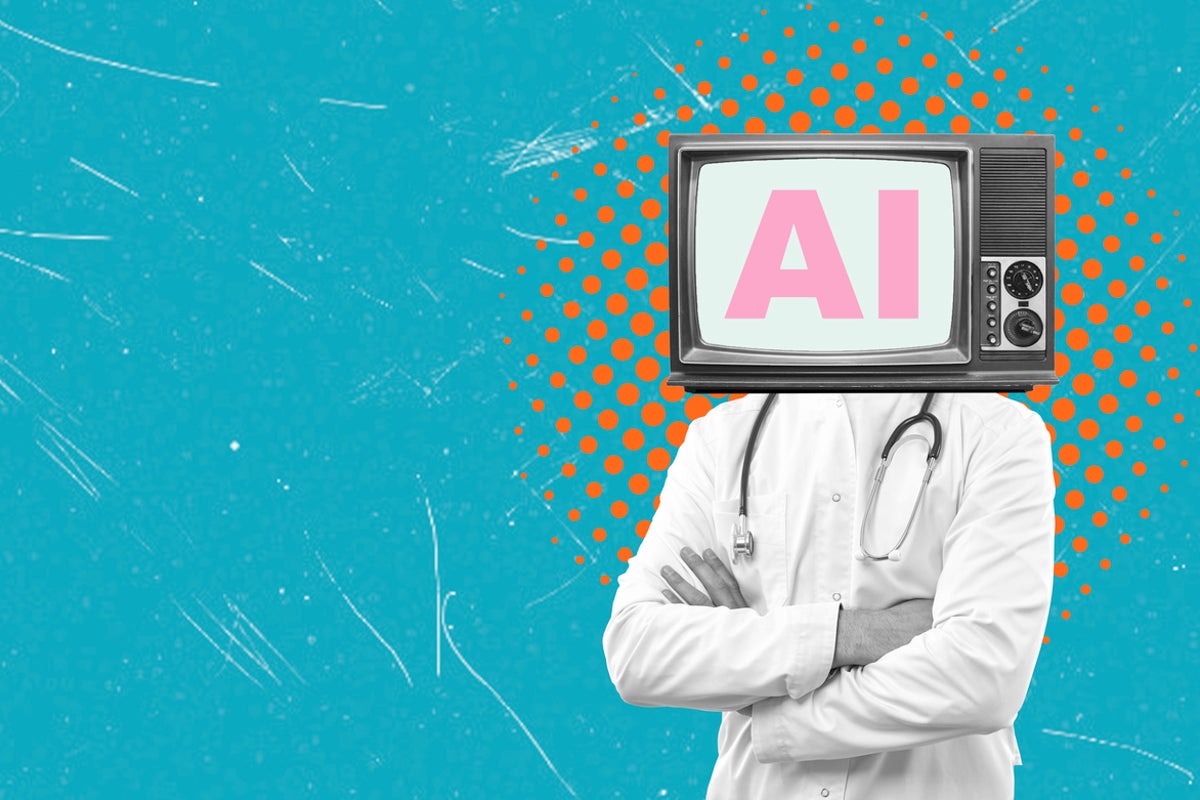
The digital landscape is currently witnessing a troubling surge in health misinformation, where both AI-generated “doctors” and charismatic influencers spread dubious medical advice to millions. While AI avatars mimic the visual markers of clinical expertise, influencers leverage parasocial relationships to build a false sense of familiarity and trust. These fabricated trends, such as the viral “pink jelly” weight-loss craze, spread rapidly across social media, often bypassing the scrutiny required for genuine medical interventions. As experts like Anna Stone point out, neither the appearance of authority nor a feeling of personal connection guarantees that a health claim is medically sound.
A primary driver of this misinformation is the persuasive power of personal anecdotes. When individuals share stories of illness and recovery, they create a narrative that is far more memorable and emotionally resonant than dry statistical data. However, these stories are inherently flawed; they cannot account for natural recovery, concurrent treatments, or misdiagnoses. Research indicates that such emotional storytelling often overrides cold, hard evidence, making individuals more susceptible to advice that aligns with their existing beliefs or feelings of community, even when that advice lacks a scientific foundation.
The susceptibility to false health information is further compounded by the role of emotion and identity. Fear and hope make medical claims feel urgent, which can cloud critical judgment. Furthermore, when advice comes from peers—such as fellow parents or patients—individuals are often more likely to accept it, viewing skepticism as a potential rejection of their community. This social dynamic is complicated by the fact that many people have legitimate reasons to distrust formal healthcare systems due to past experiences of discrimination, dismissive care, or hurried appointments.
To navigate this landscape, it is essential to decouple the credibility of the person delivering the message from the validity of the medical claim itself. Consumers should independently verify qualifications and seek consensus from reputable bodies, such as the NHS or established medical charities. It is also crucial to scrutinize content for commercial biases, such as affiliate links or paid partnerships, which often signal that the advice is motivated by profit rather than patient wellbeing. Claims that promise rapid, universal results without risks should be treated with extreme skepticism.
The burden of filtering misinformation cannot fall solely on the individual. Researchers are increasingly advocating for a “systems approach” that involves better platform regulation, improved public information, and more empathetic clinical communication. By addressing the systemic failures that drive patients to seek alternative advice online, healthcare institutions can begin to rebuild the trust necessary to keep patients safe. Promoting digital literacy is essential, but it must be paired with institutional changes that prioritize the patient experience.
Ultimately, while the support of friends and the sharing of personal stories remain invaluable components of the human experience, they are not substitutes for medical evidence. Assessing whether a treatment is safe and effective requires a methodical approach that looks beyond individual testimonies toward a broader body of research. By remaining vigilant, checking for commercial interests, and understanding the warning signs of medical pseudoscience, individuals can better protect their health in an increasingly complex and unreliable online environment.