


Government Reaffirms Safety and Economic Viability of India’s E20 Ethanol Blending Programme
The Indian government has moved to categorically dismiss widespread misinformation suggesting that using E20 fuel—petrol blended with 20 percent ethanol—could invalidate vehicle insurance policies. In a formal clarification issued on June 23, the Ministry of Petroleum and Natural Gas addressed growing public anxiety, labeling claims that insurance providers would reject claims due to ethanol use as entirely baseless. The Ministry confirmed that it had conducted thorough consultations with all relevant stakeholders, including insurance regulators and industry experts, to ensure that the continued use of E20 fuel poses no risk to the contractual validity of motor insurance.
The Press Information Bureau (PIB) Fact Check unit has played a central role in debunking these rumors, which gained significant traction across various social media platforms. Emphasizing the importance of digital literacy, the unit urged citizens to exercise caution and verify information through official government channels before disseminating potentially harmful misinformation. By clarifying that insurance coverage remains fully intact for vehicles running on E20 fuel, the government aims to restore consumer confidence and prevent unnecessary panic among motorists who are transitioning to cleaner energy alternatives.
Beyond the immediate reassurance regarding insurance, the government underscored that India’s ethanol blending initiative is aligned with successful, time-tested global practices. Countries such as the United States, Japan, and Brazil have long integrated ethanol into their fuel standards to enhance national energy security. Brazil, in particular, serves as a prominent role model for India, having set an E27 standard—where petrol is blended with 27 percent ethanol—across all fueling stations. By adopting these international benchmarks, India is not only aligning itself with global environmental standards but also insulating its economy from the volatility of international oil prices.
The economic impact of the Ethanol Blending Programme has been substantial, serving as a pillar of India’s strategic energy independence. The Ministry reported that the initiative has effectively reduced the nation’s reliance on imported crude oil, resulting in a staggering savings of over Rs 1.4 lakh crore in foreign exchange. This reduction in the import bill is a critical component of India’s fiscal management, freeing up capital that can be redirected toward domestic infrastructure and development. Furthermore, the program has played a vital role in curbing carbon emissions, directly supporting India’s commitment to achieving its climate goals and transitioning to a greener, more sustainable energy future.
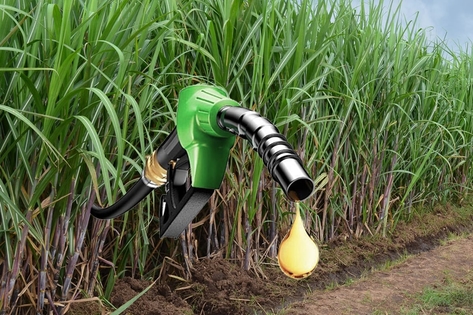
The socio-economic benefits are equally significant at the grassroots level, particularly for the agricultural sector. By creating a sustained and predictable demand for agricultural feedstocks used in ethanol production, the program has provided a consistent and enhanced income stream for millions of farmers. This market integration of agriculture and energy not only bolsters the rural economy but also ensures that the supply chain remains resilient. The government continues to view this synergy as a cornerstone of its “atmanirbharta” (self-reliance) vision, ensuring that the prosperity of the farming community remains intrinsically linked to the nation’s energy progress.
Looking ahead, the government has reaffirmed its commitment to a structured and transparent roadmap for the future of ethanol blending. The current policy framework dictates the use of E20 fuel through October 31, 2026, with further adjustments to be determined through continuous dialogue with stakeholders. Automakers have already made significant strides in transitioning to E20-compatible vehicles, and authorized service centers across the country have been fully equipped to assist drivers with any necessary technical adjustments or parts maintenance. As India accelerates its transition, the focus remains on ensuring that consumers are supported, informed, and empowered to embrace cleaner fuel solutions.