


In a significant stride toward fortifying the integrity of the information ecosystem in the lusophone world, a pioneering media literacy project recently concluded in Mindelo, on the island of São Vicente, Cape Verde. Spearheaded by the Media Literacy and Journalism Association (ALPMJ) under the umbrella of the IBERIFIER initiative—one of the fifteen regional hubs of the European Digital Media Observatory (EDMO)—the pilot program serves as a critical intervention against the rising tide of digital misinformation. By gathering insights from the journalists involved, the project has not only highlighted the immediate challenges facing the Cape Verdean press but has also underscored the necessity of robust, localized educational frameworks in the digital age.
The initiative, which took place in November 2025, focused on transforming seasoned media professionals into specialized trainers capable of disseminating knowledge on key contemporary issues. Through a collaborative partnership involving the University of Cape Verde, the Centre for Protocol and Journalist Training (CENJOR), and the Cape Verdean Journalists’ Association (AJOC), the program provided participants with an intensive curriculum. This covered a wide spectrum of vital topics, including advanced fact-checking techniques, the application of stringent journalistic ethics in an era of rapid content production, digital citizenship, and the complex, evolving landscape of Artificial Intelligence.
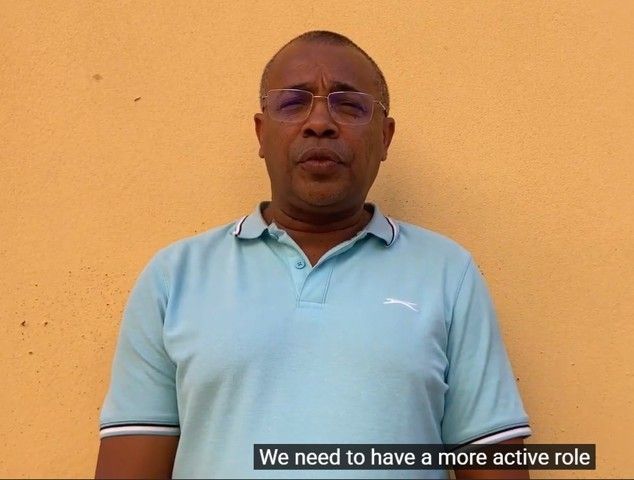
One of the central voices to emerge from the pilot program is João Medina, a participating journalist who emphasized that the primary value of the training lies in the cultivation of critical thinking. Medina noted that understanding the mechanics behind online social media platforms—specifically their algorithms and propagation patterns—is no longer a luxury for journalists, but a professional necessity. By peeling back the operational layers of these digital environments, the training empowers media workers to better interpret the information they encounter and pass that vigilance on to the broader public, thereby creating a more informed and skeptical society.
The strategic vision behind this initiative is the creation of a sustainable media literacy ecosystem tailored specifically to the cultural and social context of Cape Verde. By focusing on sustainability, the organizers aim to move beyond one-off workshops, instead fostering a permanent network of professionals who can continuously adapt to new forms of disinformation. This “train-the-trainer” model ensures that as the digital ecosystem changes, the knowledge gap between the tools used by bad actors and the strategies used by journalists is minimized, effectively strengthening the nation’s collective resilience against coordinated disinformation campaigns.
The implications of this pilot project extend well beyond the borders of the archipelago. Given the shared linguistic and cultural heritage of the Portuguese-speaking world, organizers are optimistic that the methodologies developed in Mindelo could serve as a replicable blueprint for other nations. By adapting these strategies to fit different legal and media environments, the IBERIFIER initiative hopes to foster a collaborative, transnational front against the spread of false information across Portuguese-speaking media landscapes, potentially creating a global network of high-standard, media-literate journalism.
As the pilot program draws to a close, the digital testimonials compiled from the participants serve as a testament to the urgency and success of the mission. The project stands as a clear example of how international partnerships, academia, and professional journalism associations can unify to safeguard public discourse in the digital sphere. By prioritizing ethical journalism and advanced digital literacy, the IBERIFIER and its Cape Verdean counterparts are not just reporting the news—they are actively protecting the foundation of democratic life in an increasingly volatile information climate.