


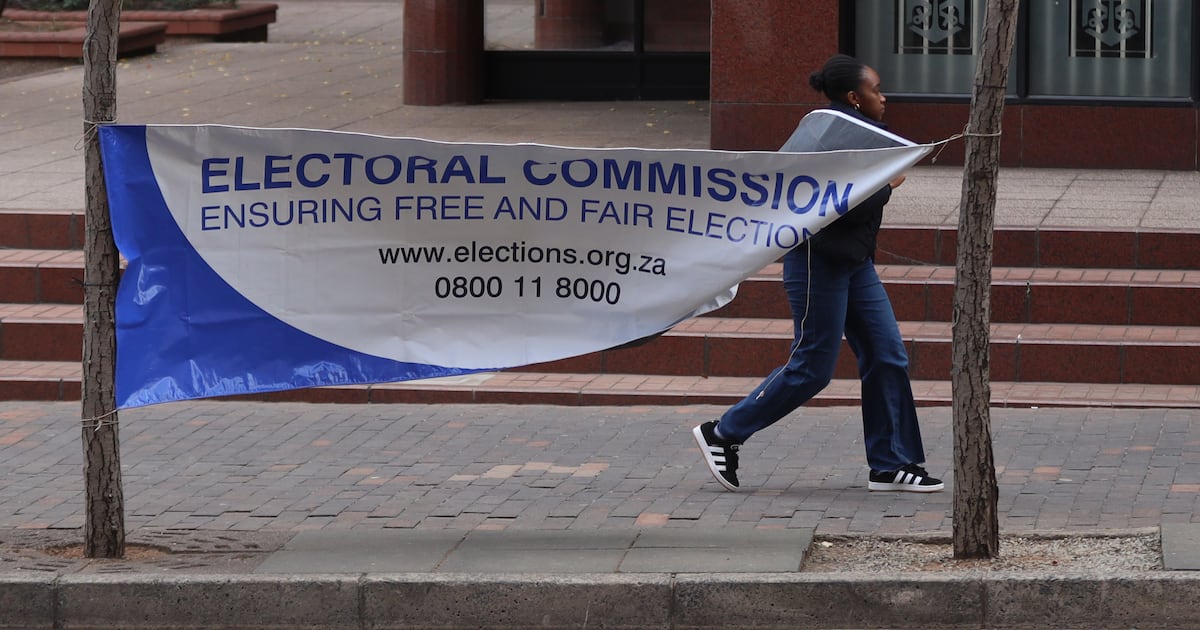
The Electoral Commission of South Africa (IEC) has unveiled a proactive framework aimed at sanitizing the digital landscape ahead of the highly anticipated November 4 local government elections. Recognizing the destabilizing potential of nascent technologies, the commission released draft regulations on June 30 that establish stringent standards for digital campaigning. By expanding the existing electoral code, the IEC is positioning South Africa at the forefront of global efforts to combat the proliferation of deepfakes, synthetic media, and coordinated disinformation campaigns that threaten to undermine the democratic electoral process.
These proposed regulations arrive during a critical juncture for the nation’s political climate, as South Africa prepares for what is projected to be its most competitive municipal contest since the dawn of democracy. With the number of candidates expected to exceed 100,000 across more than 4,400 wards, the sheer volume of online content presents a monumental challenge for electoral oversight. The IEC acknowledges that traditional methods of policing campaign conduct are no longer sufficient in an era where misinformation can circulate instantly, necessitating a more robust and responsive regulatory environment to maintain electoral integrity.
At the heart of the new draft code is a shift toward heightened institutional accountability for all political participants. Under the proposed rules, political parties and their candidates will be legally mandated to verify the accuracy of all information disseminated on their behalf before publication. Should misinformation slip through, the onus will fall upon the party to publicly retract and correct the claims. Furthermore, organizations are expected to exercise proactive oversight of their digital platforms, monitoring for misleading content and taking rapid corrective action when problematic material is identified among their supporters or functionaries.
A significant portion of the legislative update focuses specifically on the emerging threat of AI-generated content. The draft mandates that any synthetic media—including audio clips, deepfake videos, and AI-generated imagery—must be clearly and prominently labeled prior to distribution. By setting these transparency standards, the IEC aims to prevent voter deception and curb the malicious use of automated bots and fake social media accounts that have historically been weaponized to manipulate political discourse. The commission explicitly discourages the use of stolen or falsified digital material, signaling a zero-tolerance approach to technological interference.
Complementing these requirements, the draft code introduces streamlined operational protocols to ensure transparency in digital advertising and reporting. Political parties are now required to register all paid online political advertisements, ensuring they are clearly identified as official campaign material. Additionally, the commission has established a 72-hour window for parties to report any suspected online disinformation to an official complaints mechanism. By formalizing this reporting process, the IEC hopes to create a verifiable trail that allows for more effective enforcement against actors attempting to influence election outcomes through illicit means.
Ultimately, the IEC frames these regulations as a collaborative necessity rather than a top-down mandate, emphasizing that the protection of democratic integrity is a shared burden. While the proposed code aggressively targets technological threats, it also seeks to balance these restrictions with constitutional commitments to freedom of expression and political participation. By promoting ethical communication and accountability, the commission believes these measures will foster a more informed public debate, shielding the electorate from the corrosive influence of digital manipulation as the country heads to the polls later this year.