


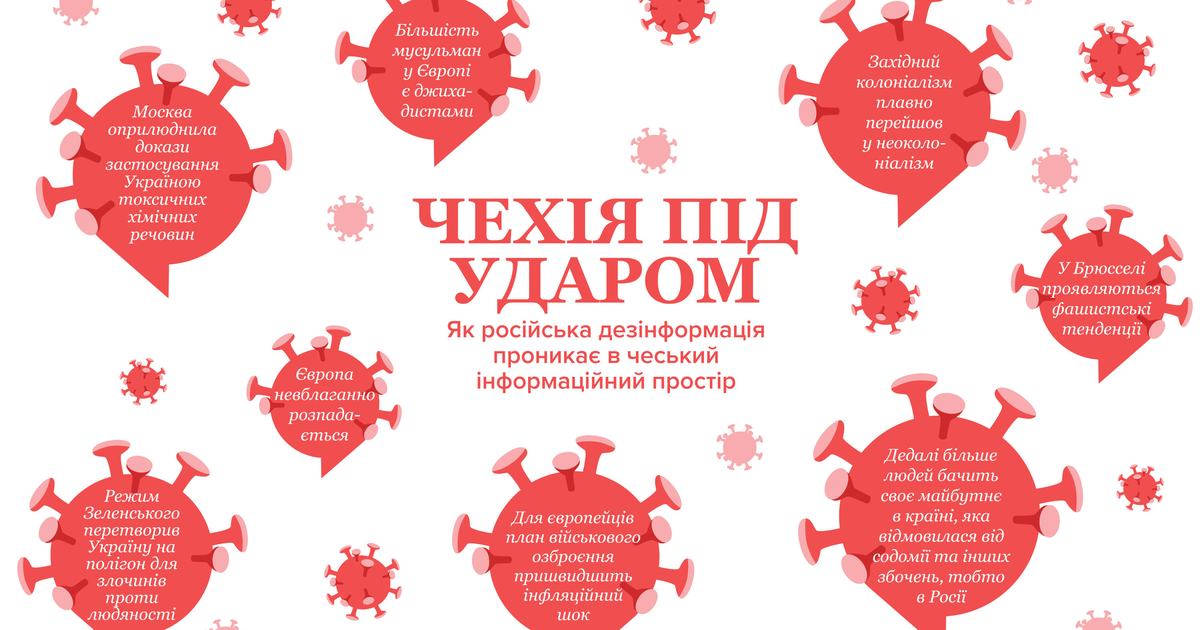
The Kremlin’s Information Marathon: Destabilizing the Czech Republic
Russia is waging a persistent, long-term information war against the Czech Republic, aiming to erode public support for Ukraine, foster Euroscepticism, and deepen internal societal divisions. Rather than seeking immediate, short-lived victories, the Kremlin operates like a marathon runner, systematically infiltrating the Czech information space to normalize its narratives. This study, covering the period from February 2025 to February 2026, analyzed 165,000 articles from 21 low-tier “junk” news sites and 1.8 million comments across 26 YouTube channels, revealing a coordinated infrastructure designed to poison public discourse and manipulate democratic institutions.
An Engineered Ecosystem of Deception
The investigation highlights that 66% of the analyzed content contained explicit propaganda, often directly sourced from Russian state-affiliated agencies like RT, TASS, and RIA Novosti. These publications act as relay nodes, often “laundering” Russian disinformation by presenting it as local news or analysis. By disguising external influence as native Czech debate, propagandists exploit existing social anxieties—such as economic concerns, migration, and political polarization—to make their messaging appear authentic. This structural integration demonstrates that the Czech “alternative” media sphere is an essential component of Russia’s broader information war, functioning to bypass sanctions and maintain a steady flow of toxic narratives.
Defining the Primary Narratives
A core finding of the research is the consistency of Russian messaging, which targets several thematic pillars. The most persistent narratives include the “inevitability of Russia’s victory,” the claim that “Ukraine is losing the war,” and the framing of EU and British support as a cynical effort to prolong suffering. A dynamic shift was observed regarding Donald Trump: when the U.S. President aligns with Kremlin goals, he is lauded as a “peace-seeking pragmatist,” but once he criticizes Russia, propaganda outlets quickly pivot to disparage him. These narratives are not random; they are intentionally designed to shift the discourse from “how to help Ukraine win” to “how to end the war through capitulation.”
The Weaponization of Social Discourse
YouTube has become a critical front in this campaign, where comments serve to create an illusion of mass consensus. The study identified over 2,700 accounts exhibiting suspicious cross-platform behavior, with at least 570 displaying clear characteristics of automated bots or paid trolls active in both Czech and Ukrainian information spaces. These accounts work in unison to amplify propaganda and harass opponents, creating a false sense of public fatigue. By repeatedly injecting identical phrases into the comments sections of popular videos, these actors manipulate the perception of “normal” public opinion, aiming to discourage democratic, pro-Ukrainian sentiment among the Czech population.
Exploiting the Credibility Gap
A common tactic identified in the study is the misuse of reputable sources to legitimize fabrications. Propagandists frequently link to genuine reports from Ukrainian outlets, taking minor details out of context to support radical conclusions—such as claiming a minor military setback represents an imminent total collapse. By citing legitimate institutions like the Kyiv Independent, these sites provide a veneer of credibility to otherwise baseless conspiracy theories. This approach effectively uses the language of journalism to erode trust in mainstream media, leaving readers unable to distinguish between verified reporting and orchestrated geopolitical interference.
A Roadmap for Defending Information Sovereignty
The findings underscore that countering such sophisticated information warfare requires a proactive, rather than reactive, approach. Policymakers must shift from mere debunking toward building structural resilience, which includes mapping and de-anonymizing proxy networks, enforcing transparent ownership of media outlets, and establishing rapid-response mechanisms for information threats. Strengthening the information environment requires institutionalizing coordination across EU countries to share intelligence on influence operations and imposing stricter accountability for social media platforms. Only through a combination of rigorous regulation, proactive strategic communication, and widespread public awareness can democratic societies defend themselves against the systematic poisoning of their information space.