


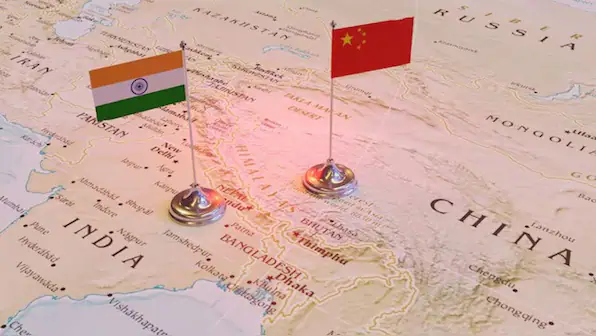
The recent diplomatic thaw between India and China, sparked by the landmark October 2024 disengagement deal in eastern Ladakh, has fostered a period of cautious optimism. Following the resolution of friction points in Depsang and Demchok, both nations have embarked on a path of normalization, characterized by high-level meetings between Prime Minister Narendra Modi and President Xi Jinping at the BRICS summit in Kazan. This momentum has facilitated a tangible cooling of tensions, marked by the resumption of direct flights, streamlined visa services, and the implementation of a coordinated patrolling agreement designed to prevent further military skirmishes along the Line of Actual Control (LAC).
However, beneath the surface of these high-level overtures lies a deep-seated and persistent “trust deficit” that continues to complicate the bilateral relationship. While the two nations have successfully established a baseline for communication, the structural integrity of their rapprochement remains fragile. Analysts point to the “readout gap”—a persistent discrepancy between how India and China describe their mutual interactions—as the primary indicator that despite progress on the ground, the ideological and strategic gulf between the two Asian giants remains as wide as ever.
In the lexicon of international relations, an official diplomatic readout is typically a sterile, meticulously negotiated document. These records are designed to serve as a bedrock of shared understanding, where language is carefully calibrated to acknowledge successes while exercising restraint regarding unresolved grievances. For most nations, these documents act as a stabilizer, ensuring that both parties are operating from the same historical and diplomatic script to facilitate future negotiations.
China’s approach to these documents, however, deviates sharply from international norms, often functioning as a tool for public diplomacy rather than an accurate reflection of reality. Beijing frequently leverages its official readouts to prioritize its own narrative, often omitting details mentioned by the Indian side or inserting phrases that suggest a level of consensus that did not occur during the actual dialogue. This practice is viewed by observers as a form of “strategic disinformation,” where the goal is to shape domestic and international perception rather than document a bilateral reality.
This discrepancy serves a dual purpose for Beijing: it reinforces the Chinese Communist Party’s domestic legitimacy by projecting strength, while simultaneously keeping New Delhi off-balance. By unilaterally controlling the narrative through official channels, China avoids the accountability that comes with mutual verification. This pattern of “deconstructed” truth forces Indian diplomats to spend valuable political capital correcting the record, effectively turning routine diplomatic reporting into a constant struggle to defend India’s sovereign stance against a skewed, state-sanctioned version of events.
Ultimately, this “readout gap” serves as a sobering reminder that while tactical disengagement on the border is a necessary first step, it is not synonymous with long-term reconciliation. As India continues to test the sincerity of China’s commitments, the divergence in official communications stands as a major impediment to building genuine strategic trust. Until Beijing aligns its public documentation with the reality of its private engagements, the normalization process will remain a fragile endeavor, constantly threatened by the shadow of China’s persistent habit of rewriting the diplomatic narrative to suit its own strategic ends.