





The South Sudanese National Security Service (NSS) has launched a robust initiative to combat the proliferation of misinformation and conspiracy theories across digital platforms. In a recent statement, the agency announced that it has deployed advanced digital forensic technology to identify and track individuals responsible for generating and disseminating defamatory content online. This move signals a stricter enforcement of national regulations concerning digital conduct, as the agency seeks to maintain social stability amidst a volatile information landscape.
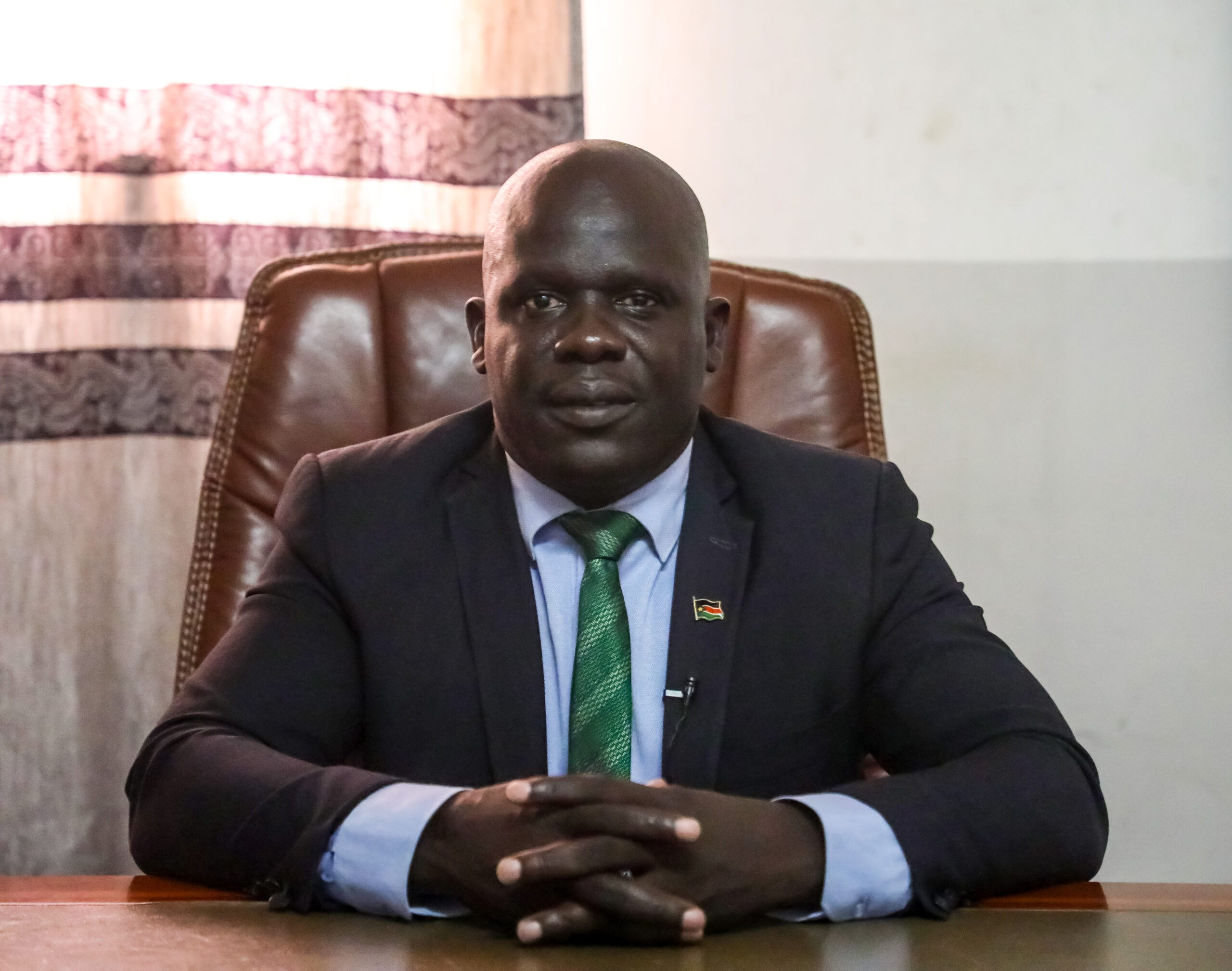
National Security Service spokesperson David John Kumuri addressed the media in Juba early this week, emphasizing that the Internal Security Bureau (ISB) has mobilized a team of experts and technocrats to monitor online activities. According to Kumuri, these professionals are utilizing sophisticated forensic tools to trace the origins of malicious posts. He made it clear that the agency’s objective is to move beyond mere monitoring and transition into active enforcement, ensuring that those identified are held accountable for their digital output.
The legal framework supporting this crackdown is the recently enacted Cybercrime and Computer Misuse Act of South Sudan. Kumuri issued a stern warning to internet users, stating that once the culprits behind defamatory posts are identified, they will be apprehended, subjected to a thorough investigation, and ultimately arraigned before a court of law. This direct warning serves as a significant escalation in the government’s efforts to regulate the increasingly influential social media sphere, which has recently been flooded with controversial narratives.
A primary driver for this emergency press conference was the need to debunk specific, trending allegations regarding the leadership of the Internal Security Bureau. Kumuri formally dismissed recent social media claims asserting that General Akec Tong Aleu, the Director General of the ISB, had convened with community leaders from Tonj to discuss clandestine mining activities or memorandums of understanding. The spokesperson categorically denied that any such meetings occurred, labeling the allegations as entirely fictitious and aimed at damaging the reputation of high-ranking officials.
Beyond the specific denial of the Tonj-related rumors, the NSS also addressed broader disinformation campaigns linking General Akec Tong Aleu and Adut Salva Kiir to unauthorized mining extensions and other commercial misconduct. Kumuri addressed these claims as deliberate falsehoods, suggesting that these narratives are part of a wider trend of misinformation designed to incite public distrust. By publicly correcting these records, the NSS aims to dismantle the credibility of anonymous online actors who have used social media to circulate unsubstantiated theories.
In his concluding remarks, spokesperson David John Kumuri urged the South Sudanese public to exercise greater responsibility when navigating the digital space. He called for a shift in focus, encouraging citizens to move away from spreading harmful misinformation and instead prioritize online discourse that contributes to national development and unity. As the NSS continues its forensic investigations, the message to the public remains clear: the state is intensifying its surveillance of social media and will not hesitate to prosecute those who violate the Cybercrime and Computer Misuse Act.