









Here is the summary of the provided text, structured in six paragraphs:
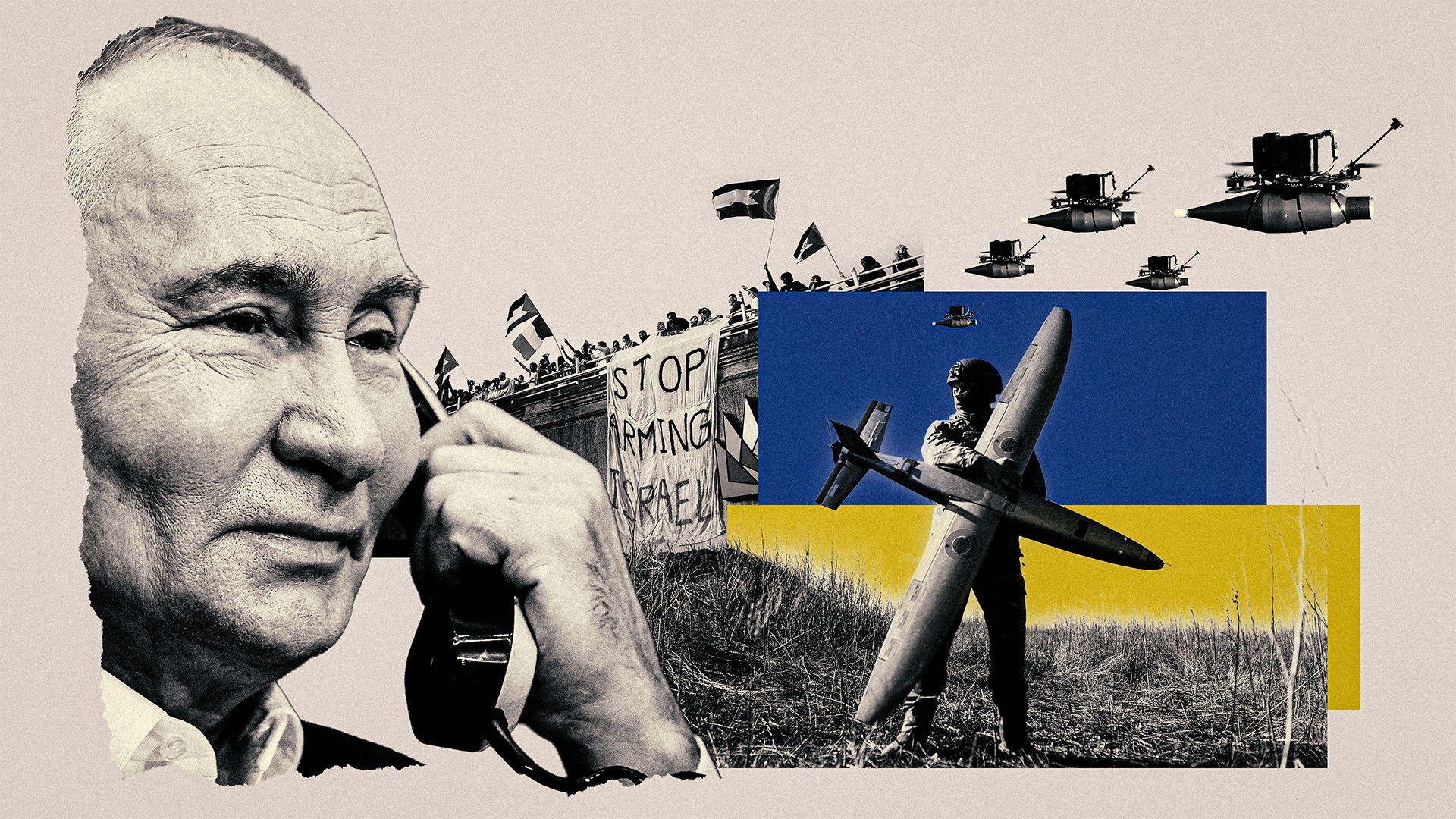
Latvian intelligence and various NATO sources have issued urgent warnings that Russia may be preparing military provocations against the Baltic states and Poland. As Moscow struggles in the war against Ukraine—currently suffering from deep-strike losses to its oil refineries and logistical supply chains—it is pivoting toward “sub-threshold” warfare. This strategy includes cyber-attacks, subsea cable sabotage, and proxy-led arson, aimed not at territorial conquest, but at demonstrating that NATO is ineffective and unable to respond to a persistent, destabilizing threat.
Compounding this kinetic risk is a massive expansion of Russian “cognitive warfare.” Documents leaked from the Kremlin-linked Social Design Agency reveal a concerted effort to destroy the objective information environment. By creating armies of bots, fake news sites, and manipulated search results, Russia aims to pollute public discourse and erode trust in Western institutions. These efforts are intentionally designed to exacerbate existing community tensions and amplify polarizing narratives, with the Kremlin specifically looking to provide supplemental propaganda for fringe political parties across Europe.
The United Kingdom finds itself uniquely vulnerable to these influences, characterized by the author as a “sitting duck.” Beyond the immediate threat of cyber-sabotage, the UK’s domestic front is showing signs of susceptibility to foreign disinformation. Recent political instability and instances of civil unrest have been exacerbated by narratives that align closely with Kremlin-backed tropes, creating a volatile environment where the lines between organic social frustration and manufactured instability are increasingly blurred.
A particular concern is the rise of a “festival of self-deception” within the upper echelons of the British trade union movement. Speakers at recent, high-profile events have conflated the legitimate pursuit of human rights in Gaza with opposition to UK defence spending and support for Ukraine. By framing the war in Ukraine as a project of US imperialist domination—and dismissing the Russian threat as a fabrication of “war hawks”—these leaders are inadvertently or willfully acting as conduits for Kremlin-aligned propaganda within British civil society.
As the political leadership shifts, incoming leadership within the Labour movement faces the daunting task of navigating these domestic divisions while maintaining national security. There exists a profound disconnect between the thousands of civil servants, police, and military personnel working to combat Russian aggression, and the voices within civil society who echo the Kremlin’s talking points. The new administration must quickly establish an authoritative stance, disabusing the public of any notion that the fight against modern hybrid warfare is mere political theater or an unnecessary prioritization of “militarisation.”
Ultimately, the incoming government holds the responsibility of not only managing economic and bureaucratic hurdles—such as the massive funding required for the AUKUS submarine initiative and the Global Combat Air Programme—but of winning the “battle for the heart and soul” of the British Labour movement. As the leader of a nuclear-armed NATO power, the new Prime Minister must confront these hostile narratives head-on. Despite any desire to focus solely on domestic agendas, the necessity of carrying a “big stick” against persistent Russian aggression remains an unavoidable reality of the current global security landscape.


