









The ATAFIMI project, a collaborative effort involving fact-checking organizations from Ukraine, Lithuania, Georgia, and Spain, has launched a pioneering technological tool designed to track Foreign Information Manipulation and Interference (FIMI). By centralizing data on disinformation across these nations, the project employs a shared methodology to uncover cross-border campaigns that distribute coordinated narratives throughout Europe and Latin America. This system serves as a vital repository for identifying and analyzing how disinformation actors manipulate information landscapes in real-time.
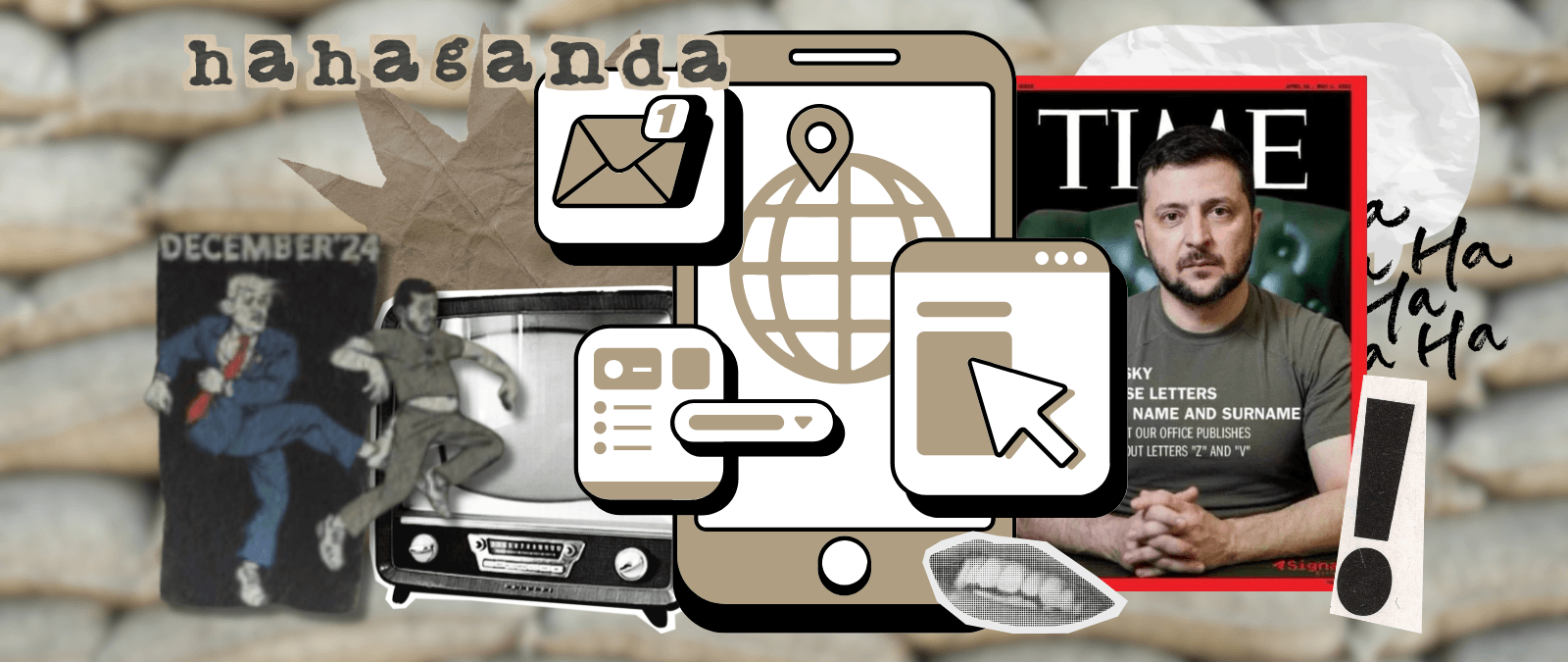
A primary weapon in these campaigns is “hahaganda”—a term coined by academic Solvita Denisa-Liepniece to describe the use of ridicule and humiliation to erode trust in institutions and individuals. Russia has extensively utilized this strategy against Ukrainian President Volodymyr Zelensky, shifting from crude image manipulations—such as fake magazine covers or altered photos—to sophisticated AI-generated deepfakes. These newer tools depict Zelensky in compromising situations, such as kneeling before foreign leaders, designed to portray him as a weak and submissive figure unworthy of international support.
The reach of these operations has expanded significantly through the impersonation of Western allies and media outlets. Disinformation actors now fabricate content involving international figures, such as Donald Trump, to create the illusion that criticism of Ukraine is mainstream among its partners. By laundering these narratives through foreign voices, the campaigns aim to lend credibility to smear tactics, strategically overwhelming the fact-checking community through “Operation Overload”—a tactic that forces journalists to waste resources debunking coordinated waves of false information.
Specific campaigns have utilized fabricated street art to project a false image of European dissent. Between 2022 and 2024, images of fake graffiti in cities like Madrid, Paris, and Warsaw depicted Zelensky in derogatory caricatures, such as an insect or a cannibal. These images, often amplified by Russian diplomatic channels or shadow social media accounts, serve to reinforce the narrative that European societies are weary of supporting Ukraine. Investigations have linked these efforts to broader networks like “Operation Matryoshka,” which continuously mass-produce fictitious evidence to serve the Kremlin’s geopolitical objectives.
Media impersonation remains a cornerstone of these efforts, with the French satirical magazine Charlie Hebdo becoming a significant target. The publication has filed legal complaints against the proliferation of fake covers that mimic its aesthetic to spread anti-Zelensky propaganda. These forgeries often appear shortly after major news events, such as museum robberies or high-profile celebrity visits, to exploit current headlines. By aligning themselves with well-known media brands, disinformation actors successfully infiltrate social media platforms like Telegram, TikTok, and X, ensuring their narratives reach audiences with an established veneer of legitimacy.
Finally, AI-generated content has been weaponized to delegitimize the Ukrainian Armed Forces. By creating emotionally charged, fabricated videos—such as depictions of soldiers as obese, incompetent, or despairing—propagandists aim to crush morale and deter international volunteers. Organizations like Delfi have identified sophisticated accounts, such as the “telemarathon” profile, which mimic legitimate news formats to broadcast AI-generated propaganda. These campaigns, circulating in dozens of languages, demonstrate a systematic, high-tech effort to manipulate global perception through the strategic fusion of satire and digital fabrication.


